2023 International Infection Prevention Week: Tips for avoiding infections from medical facilities

Infection Prevention

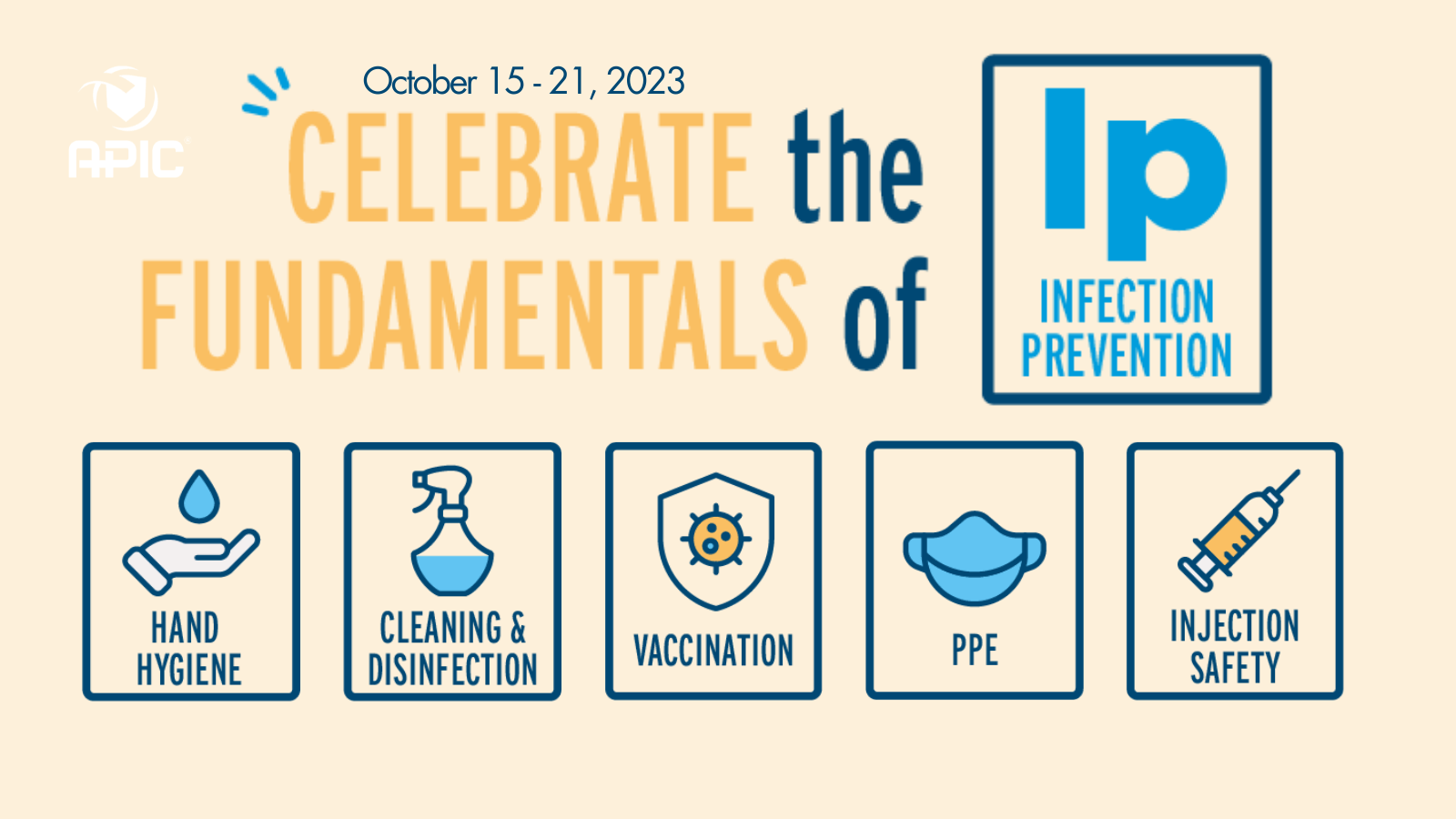
International Infection Prevention Week (IIPW) is an annual observance in mid-October to raise awareness of the importance of infection prevention and control. The 2023 IIPW theme, “Celebrating the Fundamentals of Infection Prevention,” highlights the importance of simple yet effective infection prevention measures, such as hand hygiene, vaccination, and proper cleaning and disinfection.

According to the Infection Prevention and You website, 1 in 31 patients receiving care in a hospital will get a healthcare-associated infection (HAI). HAIs can be serious and even life-threatening, and they can add to the cost and length of hospital stays.

Tips for avoiding infections from medical facilities

There are a number of things you can do to reduce your risk of getting an HAI, including:

  • Clean your hands often. This is the single most important thing you can do to prevent the spread of infection. Wash your hands with soap and water for at least 20 seconds, or use an alcohol-based hand sanitizer.
  • Get vaccinated. Vaccines are one of the best ways to protect yourself from infectious diseases, including some HAIs. Talk to your doctor about which vaccines are right for you.
  • Ask questions. Don’t be afraid to ask your healthcare providers about their infection prevention practices. You have the right to know what they are doing to protect you from infection.
  • Speak up. If you have any concerns about infection prevention, speak up to your healthcare providers. You are your own best advocate.

Here are some additional tips:

  • Choose a reputable medical facility. Do some research before choosing a hospital or other medical facility. Look for facilities that have a good reputation for infection prevention.
  • Be aware of your surroundings. Pay attention to the cleanliness of the medical facility and the healthcare providers. If you see anything that concerns you, speak up.
  • Take care of yourself. Make sure you are getting enough sleep, eating a healthy diet, and exercising regularly. This will help you stay healthy and reduce your risk of infection.

By following these tips, you can help reduce your risk of getting an HAI. Remember, infection prevention is everyone’s responsibility. Working together can create a safer and healthier healthcare environment for everyone.

Flu season is approaching — get your flu vaccine today

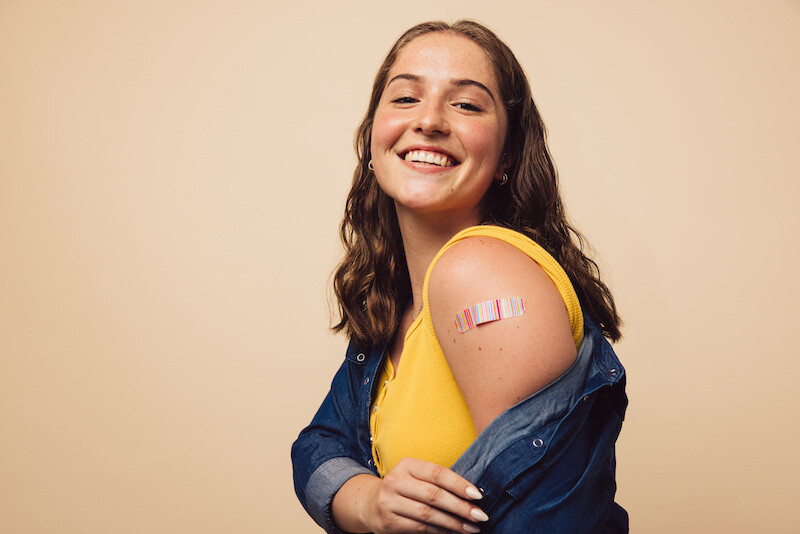
woman smiling after receiving flu shot

Flu season is coming, and it’s important for everyone to get vaccinated. Flu vaccines are the best way to protect yourself and your loved ones from the flu.

The flu is a contagious respiratory illness caused by influenza viruses. It can cause fever, cough, sore throat, runny or stuffy nose, muscle aches, headache, fatigue, and sometimes vomiting and diarrhea. Flu symptoms can be mild or severe and can sometimes lead to hospitalization or even death.

Why is flu vaccination important?

Flu vaccination helps to protect against the flu by stimulating the body’s immune system to produce antibodies against the flu virus. Antibodies are proteins that help the body fight off infection. It is recommended that anyone six months of age or older get a flu vaccine every year.

Flu vaccination is especially important for people who are at high risk for complications from the flu, such as:

  • People 65 years of age and older
  • People with chronic health conditions, such as heart disease, lung disease, diabetes, or asthma
  • Pregnant women
  • Children younger than 5 years old
  • People who live with or care for people at high risk for complications from the flu

Flu vaccines are safe and effective. The CDC estimates that flu vaccination prevents millions of flu illnesses, hundreds of thousands of hospitalizations, and thousands of deaths each year.

Recent data on influenza in the United States

According to the Centers for Disease Control and Prevention (CDC), the flu season in the United States typically peaks between December and March. The CDC estimates that from October 1, 2022, through April 30, 2023, there have been:

  • 26-50 million flu illnesses
  • 290,000-670,000 flu hospitalizations
  • 17,000-98,000 flu deaths

How to get a flu vaccine in southeastern Connecticut

Flu vaccines are available at most doctor’s offices, pharmacies, and health departments. Flu vaccines are also available at some community events and workplaces. Additionally, Uncas Health District offers a number of ways to help local residents get their flu vaccines:

Uncas Health District Mobile Health Team

Each week, the Mobile Health Team visits locations throughout the 11 municipalities we support — offering preventative health care such as blood pressure screening, COVID-19 and Flu vaccines, Hepatitis C/ HIV testing, syringe services, wound care info, and information about other health services provided by the Uncas Health District. Check out our calendar to find out when the Mobile Health Team is coming to a location near you. 

Flu Vaccine Clinics

Uncas Health District hosts and supports a number of flu vaccine clinics throughout the year. Check out the flu vaccine clinic calendar on the Uncas Health District website

Flu Vaccines for the Home-Bound

For those in the community who are unable to leave their home, the nurses at Uncas Health District will come to you. Call (860) 823-1189 to schedule a vaccination visit with one of our nurses.

Breast Cancer Awareness Month: the importance of screening and early detection

Breast Cancer Awareness Month

Breast cancer is among the most common cancers among women in the United States. According to the American Cancer Society (ACS), an estimated 297,790 new cases of invasive breast cancer will be diagnosed in women in the United States in 2023, and 43,700 women will die from the disease.

While breast cancer can be a devastating disease, it is important to remember that early detection is key. When breast cancer is found early and treated promptly, the 5-year survival rate is nearly 100%. That’s why it’s so important to get regular breast cancer screenings.

Why is getting screened important?

Breast cancer screening tests can help find breast cancer early when it is most treatable. When breast cancer is found early, it is often smaller and less likely to have spread to other parts of the body. This means that treatment is often more effective and less invasive.

Who should get screened?

The ACS recommends that all women at average risk of breast cancer begin getting annual mammograms at age 40. Women at higher risk of breast cancer, such as those with a family history of the disease, may need to start screening earlier.

How often should I get screened?

The ACS recommends that most women get a mammogram every year. However, some women may need to get screened more often, depending on their individual risk factors.

If I find a lump in my breast, what should I do?

If you find a lump in your breast, it is important to see a doctor right away. Most breast lumps are not cancer, but it is important to have them checked out by a doctor to be sure.

How can I support Breast Cancer Awareness Month?

There are many ways to support Breast Cancer Awareness Month. Here are a few ideas:

  • Get screened for breast cancer.
  • Talk to your friends and family about the importance of getting screened.
  • Donate to a breast cancer charity.
  • Volunteer your time to help people affected by breast cancer.

Breast cancer is a serious disease, but it is one that is often treatable when found early. That’s why it’s so important to get regular breast cancer screenings. If you are 40 or older, talk to your doctor about your risk of breast cancer and whether you should start getting screened.

Updated fee schedule — effective October 1, 2023

Print or Download Fee Schedule


FEE SCHEDULE (EFFECTIVE 10/1/23) 

 SITE TESTING 

SEPTIC SYSTEM: 

Site Investigation per lot * 

$150.00 

Groundwater monitoring per lot / per visit 

$50.00 

Site investigation-B100a-deck, pool, addition etc. 

$100.00 

Additional testing per lot 

$100.00 

Perc testing fill for a system 

$50.00 

Water Treatment Wastewater System 

$100.00 

* includes new construction, repair, subdivisions 

 PERMITS 

SEPTIC: 

Septic Permit – residential * 

$150.00 

Septic Permit – commercial * 

$200.00 

Septic Permit renewal 

$75.00 

Septic Permit transfer – new installer 

$75.00 

* includes new construction and repairs (tank only, sewer line, d-box, etc) 

 PERMITS / REGISTRATIONS 

FOOD SERVICE (including retail):* 

*Restaurant food service licensing fees for new establishments are prorated on a quarterly scale 

Class 1 

$150.00 

Late fee for renewal paid after June 30th 

$50.00 

Class 2 

$250.00 

Late fee for renewal paid after June 30th 

$80.00 

Class 3 

$350.00 

Late fee for renewal paid after June 30th 

$125.00 

FOOD SERVICE (including retail):* 

*Restaurant food service licensing fees for new establishments are prorated on a quarterly scale 

Class 4 

$400.00 

Late fee for renewal paid after June 30th 

$150.00 

Seasonal Food Service – 6 months or less 

½ of class fee 

Food Service reinspection (per inspection) 

$75.00 

Temporary Events – (non-profit w/ 501c3) 

1 day (Exempt from CFPM certificate) 

$25.00 

2+ days (Exempt from CFPM certificate) 

$50.00 

Temporary Events – (for profit) 

1 day (CFPM Certificate) 

$75.00 

2+ days (CFPM Certificate) 

$150.00 

Temporary Events – Application submitted less than 14 days and greater than 5 business days in advance of the event 

Double fee 

Temporary Events – Application submitted within 5 business days of the event 

No permits will be issued 

Farmers Markets – (All Vendors) 

See temporary event schedule 


SALON: 

Salon License 

$150.00 

Salon Re-inspection Fee per reinspection 

$75.00 

Salon Late fee for renewal paid after June 30th 

$75.00 


REGISTRATIONS / INSPECTIONS: 

Day Care inspection 

$100.00 

Group Home inspection 

$100.00 

Public pool – registration & inspection 

$150.00 

Public Pool – reinspection 

$75.00 

Campgrounds – registration & inspection 

$150.00 

Tattoo Parlors – registration 

$75.00 

DEEP System Inspection 

$100.00 


PLAN REVIEW 

SUBDIVISION / SITE PLAN PER LOT: 

per lot w/1 revision – includes lot with existing house 

$150.00 

Additional revisions per revision per lot 

$75.00 

Water Treatment Wastewater System 

$75.00 


SEPTIC SYSTEM: 

Engineered residential plan review per system w/1 revision 

$150.00 

Additional revisions per system 

$75.00 

Engineered commercial plan review per system w/1 revision includes multi-family buildings 

$250.00 

Additional revisions per revision per systems 

$125.00 

B100a residential plan review for a deck, addition, pool, etc. 

$75.00 

B100a commercial plan review for a deck, addition, pool, etc. 

$200.00 

Septic System reinspection fee 

$100.00 

CT DPH exception review 

$100.00 


WELL: 

Well only plan review 

$50.00 


FOOD SERVICE: 

Restaurant Plan Review 

Class 1 

Class 2 & 3 

Class 4 

$100.00 

$200.00 

$300.00 


SALON: 

Salon plan review 

$200.00 


MISCELLANEOUS 

ServSafe Class and Book 

$175.00 

ServSafe re-test fee 

$75.00 

Returned check fee 

$25.00 

Copies 

8 ½ x 11 or 11 x 14 

Plan 

0.50/page 

2.00/page 

Asthma attacks are common in early fall — how to reduce your risk

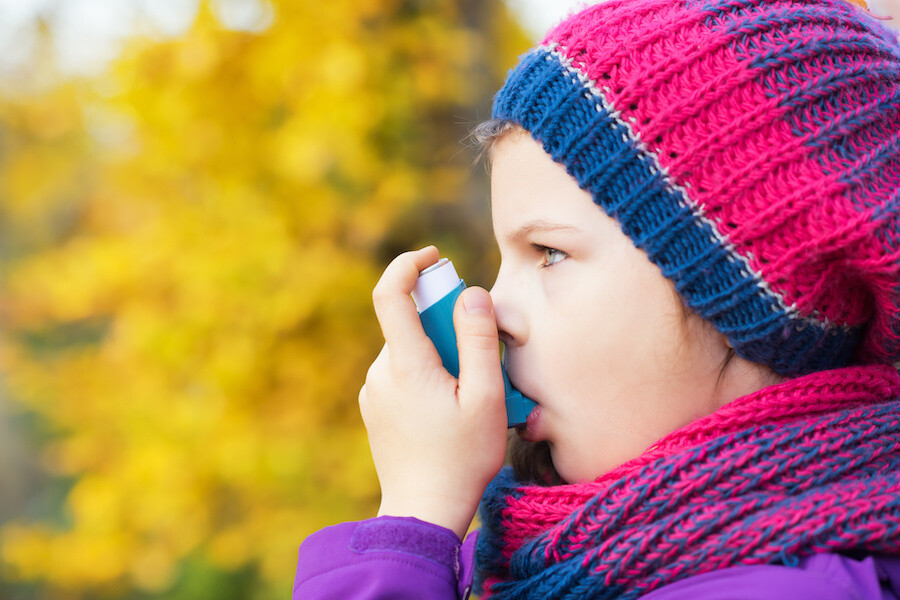
girl using her inhaler

Asthma is a chronic lung disease that inflames and narrows the airways. This can make breathing difficult and trigger wheezing, coughing, shortness of breath, and chest tightness. Asthma attacks can be mild or severe, and they can even be life-threatening.

Why Are Asthma Attacks Common in Early Fall?

There are a few reasons why asthma attacks are common in early fall, especially for children:

  • Allergens: Early fall is a peak season for many allergens, including ragweed pollen, mold spores, and dust mites. These allergens can trigger asthma symptoms in people who are allergic to them.
  • Respiratory infections: Children are more likely to get respiratory infections, such as the common cold and the flu, in the fall. These infections can also trigger asthma symptoms.
  • Weather changes: The weather in the fall can be unpredictable, with rapid changes in temperature and humidity. These changes can also trigger asthma symptoms.

How to Reduce Your Risk of Having an Asthma Attack in the Peak Season

There are a few things you can do to reduce your risk of having an asthma attack in the peak season:

  • Take your asthma medication as prescribed by your doctor. This includes both controller medications, which help to prevent asthma attacks, and quick-relief medications, which are used to treat asthma attacks.
  • Avoid your asthma triggers. If you know what triggers your asthma symptoms, try to avoid them as much as possible.
  • Get a flu shot every year. The flu can trigger asthma attacks, so it’s important to get a flu shot every year.
  • Monitor your asthma symptoms closely. If you notice any changes in your asthma symptoms, such as more frequent wheezing or coughing, talk to your doctor right away.

Additional Tips for Children

If your child has asthma, there are a few additional things you can do to help them reduce their risk of having an asthma attack in the peak season:

  • Make sure your child is taking their asthma medication as prescribed by their doctor. It’s important to talk to your child about their asthma and why it’s important to take their medication.
  • Help your child avoid their asthma triggers. This may mean helping them to check the pollen count before going outside or helping them to clean their room regularly.
  • Encourage your child to wash their hands frequently. This can help to reduce the spread of germs that can trigger asthma attacks.
  • Talk to your child’s school about their asthma. Make sure that the school staff knows about your child’s asthma and what to do if they have an asthma attack.

By following these tips, you can help to reduce your risk of having an asthma attack in the peak season.

[maxbutton id=”2″ url=”https://www.lung.org/lung-health-diseases/lung-disease-lookup/asthma/resource-library” text=”Asthma Resource Library” ]

Check your mental health at Fresh Check Day — Sept. 27 at Three Rivers Community College

teens having fun

On Wednesday, September 27, members of the Uncas Health District team will be heading to CT State Community College Three Rivers (formerly Three Rivers Community College) for Fresh Check Day — an uplifting mental health promotion and suicide prevention event for colleges that includes interactive expo booths, peer-to-peer messaging, support of multiple campus departments and groups, free food, entertainment, and exciting prizes and giveaways.

Fresh Check Day aims to create an approachable and hopeful atmosphere where students are encouraged to engage in dialogue about mental health and helps to build a bridge between students and the mental health resources available on campus, in the community, and nationally.

Goals of Fresh Check Day

  • Increase awareness of mental health resources available to students
  • Reduce stigma and misconceptions around mental health and suicide that often deter individuals from seeking help
  • Empower peers to be gatekeepers by understanding warning signs and knowing what to do if a friend is exhibiting signs of suicide or mental health breakdown
  • Increase willingness to ask for help if experiencing emotional distress

[maxbutton id=”3″ url=”https://freshcheckday.com/” text=”More About Fresh Check Day” ]

September is Suicide Prevention Month

September is Suicide Prevention Month, a time to raise awareness about suicide and its prevention. Suicide is the 10th leading cause of death in the United States, and it is the second leading cause of death among young people ages 10-24.

Help is available 24/7:

[maxbutton id=”19″ url=”https://uncashd.org/suicide-prevention/” text=”Suicide Prevention Resources” ]


Suicide Prevention Month: creating hope through action

Suicide Prevention Month

September is Suicide Prevention Month, a time to raise awareness about suicide and its prevention. Suicide is the 10th leading cause of death in the United States, and it is the second leading cause of death among young people ages 10-24.

There are many warning signs that someone may be thinking about suicide.

These signs can include:

  • Talking about wanting to die or feeling like a burden
  • Increased alcohol or drug use
  • Changes in mood, such as becoming withdrawn or angry
  • Giving away belongings
  • Making a plan for suicide

If you or someone you know is exhibiting any of these warning signs, it is important to take action. Do not hesitate to reach out for help.

Here are some things you can do:

  • Talk to the person about how they are feeling. Let them know that you care and that you are there for them.
  • Encourage the person to seek professional help. Many resources are available, such as therapists, counselors, and support groups.
  • Remove any access to weapons or other means of suicide.
  • Stay calm and supportive. It is important to be patient and understanding.

If you are in immediate danger, call 911 or go to the nearest emergency room.

There is hope for people who are struggling with suicidal thoughts. With the right help, they can get better and live full and happy lives.

To learn more about suicide prevention, visit the following websites:

Call to action:

  • Talk to your friends, family, and coworkers about suicide prevention.
  • Share resources on suicide prevention on social media.
  • Get involved in a suicide prevention organization in your community.

Press Release: state officials report positive mosquitoes for Eastern Equine Encephalitis Virus in Voluntown

Pachaug State Forest in Connecticut

Voluntown, Conn. — The Uncas Health District is advising residents in southeastern Connecticut to protect themselves and their children from mosquitoes to reduce the chance of contracting eastern equine encephalitis (EEE) virus.

Mosquitoes trapped in the Pachaug State Forest in Voluntown on September 5, 2023 have tested positive for EEE. Voluntown is one of six towns with EEE infected mosquitoes identified in the state by the Connecticut Agricultural Experiment Station this year. The mosquitoes were Culiseta melanura (2) and Psorophora ferox (1). Connecticut residents are reminded to protect themselves from mosquito bites and mosquito-borne diseases.

“We encourage residents of southeastern Connecticut to take simple measures such as wearing mosquito repellent and covering bare skin, especially during dusk and dawn when mosquitoes are most active,” said Patrick McCormack, MPH, Director of Health.

EEE is a serious but rare illness caused by a virus that is transmitted by mosquitoes. Mosquitoes can only acquire the virus by feeding on infected wild birds. In most years, the virus is found only in species of mosquitoes which feed on birds, but occasionally the virus can be passed on to other mosquito species known to bite people and horses. The virus cannot be passed from person to person or from horses to humans. The risk of mosquito-transmitted diseases such as EEE virus usually increases through the late summer and early fall. Mosquitoes are active until the first heavy frost.

Infection with EEE virus can cause serious illness affecting the brain. Symptoms include high fever, headache, stiff neck, and decreased consciousness. The disease is fatal in 25-50 percent of cases and many of those who recover experience lasting health problems. Individuals with symptoms suggestive of EEE infection should contact their physician immediately. No human vaccine against EEE virus infection or specific antiviral treatment for clinical EEE virus infections is available.

To reduce the risk of being bitten by mosquitoes residents should:

  • Minimize time spent outdoors between dusk and dawn when mosquitoes are most active.
  • Be sure door and window screens are tight-fitting and in good repair.
  • Wear shoes, socks, long pants, and a long-sleeved shirt when outdoors for long periods of time, or when mosquitoes are more active. Clothing should be light colored and made of tightly woven materials that keep mosquitoes away from the skin.
  • Use mosquito netting when sleeping outdoors or in an unscreened structure and to protect babies when outdoors.
  • Consider the use of mosquito repellent, according to directions, when it is necessary to be outdoors.

Connecticut Mosquito Management Program

The State of Connecticut Mosquito Management Program is a collaborative effort involving the Department of Energy and Environmental Protection, the Connecticut Agricultural Experiment Station, the Department of Public Health, the Department of Agriculture, and the University of Connecticut Department of Pathobiology and Veterinary Science. These agencies are responsible for monitoring the potential public health threat of mosquito-borne diseases.

The CAES maintains a network of 108 mosquito-trapping stations in 89 municipalities throughout the state. Mosquito traps are set Monday through Thursday nights at each site every 10 days on a rotating basis. Mosquitoes are grouped (pooled) for testing according to species, collection site, and date. Positive findings are reported to local health departments and on the CAES website at http://www.ct.gov/caes/mosquitotesting.

For information on EEE and other mosquito-borne diseases, what can be done to prevent getting bitten by mosquitoes, the latest mosquito test results and human infections, visit the Connecticut Mosquito Management Program web site at https://portal.ct.gov/mosquito.

FDA approves new COVID-19 vaccines that target circulating variants

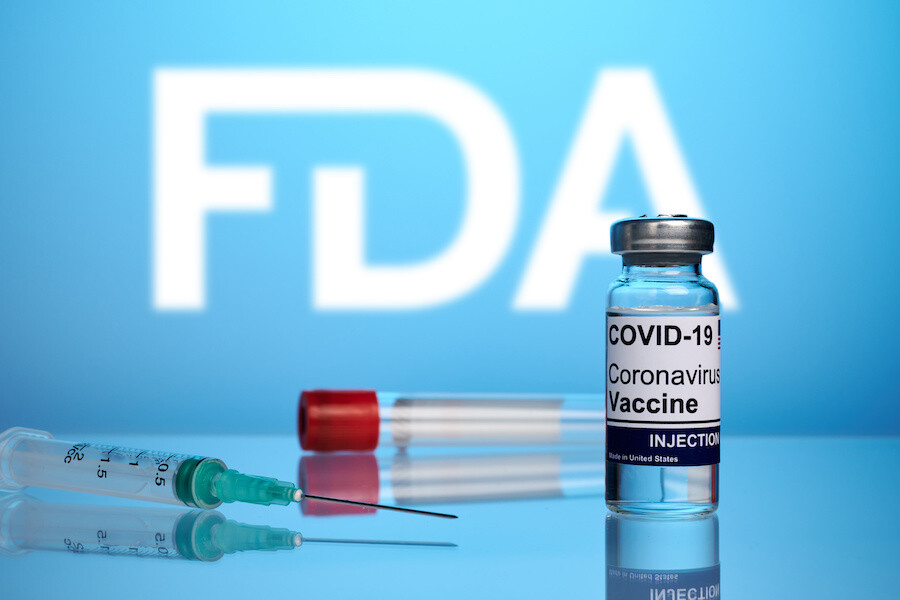
Covid-19 vaccine and syringe

On September 11, 2023,  the U.S. Food and Drug Administration (FDA) took action approving and authorizing for emergency use updated COVID-19 vaccines formulated to more closely target currently circulating variants and to provide better protection against serious consequences of COVID-19, including hospitalization and death. Today’s actions relate to updated mRNA vaccines for 2023-2024 manufactured by ModernaTX Inc. and Pfizer Inc. Consistent with the totality of the evidence and input from the FDA’s expert advisors, these vaccines have been updated to include a monovalent (single) component that corresponds to the Omicron variant XBB.1.5.

What You Need to Know

  • Individuals 5 years of age and older regardless of previous vaccination are eligible to receive a single dose of an updated mRNA COVID-19 vaccine at least 2 months since the last dose of any COVID-19 vaccine.
  • Individuals 6 months through 4 years of age who have previously been vaccinated against COVID-19 are eligible to receive one or two doses of an updated mRNA COVID-19 vaccine (timing and number of doses to administer depends on the previous COVID-19 vaccine received).
  • Unvaccinated individuals 6 months through 4 years of age are eligible to receive three doses of the updated authorized Pfizer-BioNTech COVID-19 Vaccine or two doses of the updated authorized Moderna COVID-19 Vaccine.
  • The FDA is confident in the safety and effectiveness of these updated vaccines and the agency’s benefit-risk assessment demonstrates that the benefits of these vaccines for individuals 6 months of age and older outweigh their risks.
  • Individuals who receive an updated mRNA COVID-19 vaccine may experience similar side effects as those reported by individuals who previously received mRNA COVID-19 vaccines as described in the respective prescribing information or fact sheets.
  • The updated vaccines are expected to provide good protection against COVID-19 from the currently circulating variants. Barring the emergence of a markedly more virulent variant, the FDA anticipates that the composition of COVID-19 vaccines may need to be updated annually, as is done for the seasonal influenza vaccine.
  • The U.S. Centers for Disease Control and Prevention’s Advisory Committee on Immunization Practices will meet tomorrow (Sept. 12), to discuss clinical recommendations on who should receive an updated vaccine, as well as further considerations for specific populations such as immunocompromised and older individuals.
  • Manufacturers have publicly announced that the updated vaccines would be ready this fall, and the FDA anticipates that the updated vaccines will be available in the near future.

FDA headquarters in Maryland

“Vaccination remains critical to public health and continued protection against serious consequences of COVID-19, including hospitalization and death,” said Peter Marks, M.D., Ph.D., director of the FDA’s Center for Biologics Evaluation and Research. “The public can be assured that these updated vaccines have met the agency’s rigorous scientific standards for safety, effectiveness, and manufacturing quality. We very much encourage those who are eligible to consider getting vaccinated.”

The updated mRNA vaccines are each approved for individuals 12 years of age and older and are authorized under emergency use for individuals 6 months through 11 years of age. As part of today’s actions, the bivalent Moderna and Pfizer-BioNTech COVID-19 vaccines are no longer authorized for use in the United States.

Data Supporting the Updated mRNA COVID-19 Vaccines (2023-2024 Formula)

The mRNA COVID-19 vaccines approved and authorized today are supported by the FDA’s evaluation of manufacturing data to support the change to the 2023-2024 formula and non-clinical immune response data on the updated formulations including the XBB.1.5 component.

  • The updated mRNA vaccines are manufactured using a similar process as previous formulations. In studies that have been recently conducted, the extent of neutralization observed by the updated vaccines against currently circulating viral variants causing COVID-19, including EG.5 and BA.2.86, appears to be of a similar magnitude to the extent of neutralization observed with prior versions of the vaccines against corresponding prior variants against which they had been developed to provide protection. This suggests that the vaccines are a good match for protecting against the currently circulating COVID-19 variants.
  • The benefit-risk profile of previously authorized and approved mRNA COVID-19 vaccines is well understood as these vaccines have been administered to hundreds of millions of people in the United States.

Based on an evaluation of the totality of the evidence, the benefit-risk profile is favorable for individuals 6 months of age and older to receive an updated COVID-19 mRNA vaccine. Although serious outcomes from COVID-19 are less common in younger individuals, they do occur, and it has been demonstrated that recently receiving a COVID-19 vaccine reduces the risk of such serious outcomes.

Additional Details on Today’s Actions

Specifically, today’s actions include:

  • Approval of Comirnaty (COVID-19 Vaccine, mRNA) to include the 2023-2024 formula, and a change to a single dose for individuals 12 years of age and older. Comirnaty was previously approved as a two-dose series for individuals 12 years of age and older.
  • Approval of Spikevax (COVID-19 Vaccine, mRNA) to include the 2023-2024 formula, a change to a single dose for individuals 18 years of age and older, and approval of a single dose for individuals 12 through 17 years of age. Spikevax was previously approved as a two-dose series for individuals 18 years of age and older.
  • Authorization of Moderna COVID-19 Vaccine for emergency use in individuals 6 months through 11 years of age to include the 2023-2024 formula and lower the age eligibility for receipt of a single dose from 6 years to 5 years of age. Additional doses are also authorized for certain immunocompromised individuals ages 6 months through 11 years, as described in the fact sheets.
  • Authorization of Pfizer-BioNTech COVID-19 Vaccine for emergency use in individuals 6 months through 11 years of age to include the 2023-2024 formula. Additional doses are also authorized for certain immunocompromised individuals ages 6 months through 11 years, as described in the fact sheets.

The approval of Comirnaty (COVID-19 Vaccine, mRNA) (2023-2024 Formula) was granted to BioNTech Manufacturing GmbH. The EUA amendment for the Pfizer-BioNTech COVID-19 Vaccine (2023-2024 Formula) was issued to Pfizer Inc.

The approval of Spikevax (COVID-19 Vaccine, mRNA) (2023-2024 Formula) was granted to ModernaTX Inc. and the EUA amendment for the Moderna COVID-19 Vaccine (2023-2024 Formula) was issued to ModernaTX Inc.