
Gov. Lamont Activates Extreme Hot Weather Protocol Monday

Cooling Centers Will Open and Can be Located by Visiting 211ct.org or Calling 2-1-1

Governor Ned Lamont today announced that due to a weather forecast indicating that Connecticut will experience a multi-day heat wave over the coming week, he is directing the state’s Extreme Hot Weather Protocol to be activated effective at 12:00 p.m. on Monday, July 28, 2025, and remaining in effect through at least 8:00 p.m. on Wednesday, July 30, 2025.

During this period, temperatures are expected to reach into the 90s and will be accompanied by humid conditions pushing the heat index near or above 100 degrees.

This is the third time the protocol has been activated this year. The purpose of activating the protocol is to ensure that the most vulnerable populations receive protection from the hot conditions. While enacted, a system is set up for state agencies, municipalities, and other partners to coordinate with United Way 2-1-1 to make sure that information regarding cooling centers is available statewide, providing a location for those in need of relief.

Cooling centers will be available throughout the state. Anyone in need of a place to get out of the heat can locate their nearest cooling center by viewing the list that will be published online at 211ct.org or calling 2-1-1.

“The forecast is indicating that we are in for another stretch of hot and muggy conditions over the next few days, and we’re working with our partners to open cooling centers,” Governor Lamont said. “We’re advising those who are most vulnerable to extreme conditions, especially seniors and those who have certain disabilities and medical conditions, that they should take precautions to stay hydrated and cool. To locate a nearby cooling center, view the list that will be published online at 211ct.org or call 2-1-1.”

The following actions are implemented while Connecticut’s Extreme Hot Weather Protocol is enacted:

  • The Connecticut Department of Emergency Services and Public Protection’s Division of Emergency Management and Homeland Security uses its WebEOC communications network, which is an internet-based system that enables local, regional, and state emergency management officials and first responders to share up-to-date information about a variety of situations and conditions.
  • Municipalities and other partners submit information on the opening of cooling centers into the WebEOC, providing a real-time database on the availability of these locations statewide. United Way 2-1-1 uses the system to act as a clearinghouse to assist residents in locating a cooling center.
  • Regional coordinators from the Division of Emergency Management and Homeland Security monitor WebEOC to respond to any requests from municipalities for state assistance.
  • The energy utility companies provide the state with regular updates regarding the impact of the weather conditions on their respective utilities throughout the duration of the protocol.

Although anyone can suffer from heat-related illness, some people are at greater risk than others:

  • Infants and young children are sensitive to the effects of high temperatures and rely on others to regulate their environments and provide adequate liquids.
  • People 65 years of age or older may not compensate for heat stress efficiently and are less likely to sense and respond to change in temperature.
  • People who are overweight may be prone to heat sickness because of their tendency to retain more body heat.
  • People who overexert during work or exercise may become dehydrated and susceptible to heat sickness.
  • People who are physically ill, especially those with heart disease or high blood pressure, or who take certain medications, such as for depression, insomnia, or poor circulation, may be affected by extreme heat.

Some prevention tips to stay safe in extreme heat include:

  • Keep your body temperature cool to avoid heat-related illness.
  • Stay in air-conditioned buildings as much as possible. If you must be outdoors, try to limit your outdoor activity to the morning and evening. Try to rest often in shady areas so that your body has a chance to cool off.
  • Find an air-conditioned location. (Call 2-1-1 for a list of cooling centers.) Do not rely on a fan as your primary cooling device.
  • Avoid direct sunlight.
  • Wear lightweight, light-colored clothing.
  • Take cool showers or baths.
  • Check on those most at-risk several times a day.
  • Pets that cannot be brought indoors should be provided ready access to water and shade to keep them cool.
  • Never leave pets inside of parked vehicles because temperatures can soar to life-threatening levels within minutes.

Everyone is also reminded to stay hydrated during periods of extreme heat. As we lose fluid through sweat, dehydration is common during very high temperatures. It is strongly encouraged to:

  • Drink more water than usual.
  • Don’t wait until you’re thirsty to drink more fluids.
  • Drink two to four cups of water every hour while working or exercising outside.
  • Avoid alcohol or liquids containing high amounts of sugar.
  • Remind others to drink enough water.

More from the Uncas Health District

Drowning Prevention: The Hidden Danger Swimming in Crowded Places

crowded beach

In the summer months, it’s common to head to public pools, lakes, and beaches to enjoy time with family and friends. But amidst the laughter, music, and splashing, the reality of drowning needs to be top of mind, especially in a crowded environment. Every year in the United States, there are over 4,000 unintentional drowning deaths. More children ages 1-4 die from drowning than from any other cause of death.

The Quiet Reality of Drowning

Drowning doesn’t always look like we think it does. There’s no loud thrashing, no dramatic cries for help. In fact, it often happens quickly and quietly. According to the Centers for Disease Control and Prevention (CDC), drowning is a leading cause of unintentional injury death in the United States, especially for children under 14. And the presence of crowds can ironically make it harder — not easier — to spot someone in distress.

In busy public pools or popular beaches, distractions are everywhere: kids playing, floaties drifting, music blaring. Even trained lifeguards can find it challenging to monitor every individual amid dozens or even hundreds of swimmers. A child or adult in trouble may slip under the surface unnoticed for precious seconds—sometimes too long to recover.

Why Crowded Places Pose Unique Risks

In crowded aquatic environments, the signs of drowning can blend in with ordinary activity:

  • A swimmer may appear to be bobbing playfully when they’re actually struggling to stay afloat.

  • Someone with a medical condition — such as a seizure disorder — may quietly lose consciousness in the water.

  • Children may move out of sight behind inflatables, under diving boards, or into deeper water without being noticed.

That’s why vigilance and prevention must go hand-in-hand in crowded settings.

How to Stay Safe: Prevention Tips from the CDC

The CDC offers several critical recommendations to reduce drowning risk, particularly when swimming in groups or public places:

  • Always Swim with a Buddy: Never swim alone, regardless of your age or skill level. The buddy system ensures that someone is always there to notice and respond if something goes wrong. This is especially vital for individuals with medical conditions that could lead to sudden loss of consciousness.

  • Choose Sites with Lifeguards: While no environment is risk-free, swimming in places where trained lifeguards are present significantly improves safety. Lifeguards are skilled at spotting trouble and responding quickly—skills that can make all the difference.

  • Supervise Children Closely: Never assume that someone else is watching your child. Designate a “Water Watcher”—an adult who is not drinking, reading, or scrolling their phone—to keep eyes on swimmers at all times.

  • Know the Signs of Drowning: Unlike Hollywood portrayals, real-life drowning can look like gasping, quiet bobbing, or sudden stillness. Learning what to watch for can help you intervene faster.

  • Avoid Alcohol When Swimming or Supervising: Alcohol impairs judgment, balance, and reaction time. Save the celebratory drinks for after you’ve left the water.

Be Prepared, Stay Aware

Drowning is preventable, but only if we remain alert and informed. Whether you’re at a packed beach, a neighborhood pool party, or a waterpark, don’t let the comfort of crowds create a false sense of security. Tragedies often occur in these environments when we assume someone else is paying attention.

Stay safe this summer. Swim smart, look out for each other, and always keep your eyes on the water.

More From the Uncas Health District

CT Horse and Livestock Owners Advised to Guard Against Mosquito-Borne Diseases

Woman caring for horse in stable.

Preventative Measures are Key to Protection

The Connecticut Department of Agriculture (CT DoAg) reminds the state’s horse and livestock community to take preventative measures to protect against mosquito-borne diseases this season, including West Nile virus (WNV) and eastern equine encephalitis (EEE). While Connecticut has not had any reported human or horse cases this season, the Connecticut Agricultural Experiment Station (CAES) confirmed detections of WNV-infected mosquitoes in Bridgeport and Stamford beginning in June. Additionally, earlier this week, a goat in Worcester County, Massachusetts, was infected with West Nile virus.

“Recent weather conditions, particularly heat and humidity, are creating an ideal environment for mosquito activity, which increases the need for preventative measures to protect animals and those caring for them,” said Agriculture Commissioner Bryan P. Hurlburt. “Now is the time to review health records and follow veterinary and medical guidance to safeguard the health of horses and people.”

EEE and WNV are both mosquito-borne diseases that affect horses, birds, and humans. Horses are the domestic animals most susceptible to infection from EEE and WNV; however, other animals such as llamas, alpacas, and goats can also be infected. The viruses cannot spread from animal to animal or from animal to human. They are viral diseases transmitted through mosquito bites. The risk for mosquito-borne diseases continues until the first hard freeze ends mosquito activity.

“We can’t stop mosquitoes, but we can mitigate exposure by applying proven control methods, including vaccines, which are highly effective in reducing the severity of symptoms and decreasing the likelihood of death in horses,” said State Veterinarian Dr. Thamus Morgan, DVM, MPH, DACVPM. “More frequent vaccination may be necessary for young or older horses, and sound stable management practices to reduce mosquito breeding sites are advised for all.”

Horse owners are encouraged to implement the following, in coordination with their veterinarian:

  • Administer the initial two-dose vaccine series, four to six weeks apart
  • Administer regular boosters at least annually
  • Consult with your veterinarian if boosters are needed every six months
  • Give vaccinations at least one month prior to mosquito season to develop protective immunity
  • Remove sources of standing water to eliminate mosquito breeding grounds
  • Clean and refill water troughs regularly
  • Apply fly sprays containing pyrethrin regularly

If your horse is showing neurologic signs, such as hyperexcitability, tremors, convulsions, paralysis, head tilt, head pressing, incoordination, drowsiness, recumbency, colic, or death, it’s important to call a veterinarian to determine a diagnosis and treatment.

If you suspect your horse may have EEE or WNV, contact your veterinarian immediately. They are both reportable diseases to the State Veterinarian at 860-713-2505. For more information on animals and animal health, visit the state website.

Visit the Connecticut Mosquito Management Program website for information on WNV and EEE, what can be done to prevent mosquito bites, the latest mosquito test results, and human infections.

Flash Floods — Keeping Safe in Rapidly Rising Flood Waters

Car submerged in flood waters.

Flash floods can strike with little warning and devastating force. This summer’s catastrophic flash floods in central Texas — where more than 100 lives were lost over the July 4th weekend — remind us how quickly deadly waters can form and sweep away everything in their path. The communities of Uncas Health District and its river valleys, brooks, and low‐lying areas can flood just as rapidly when heavy storms stall overhead. Understanding where you’re most vulnerable and how to respond can mean the difference between life and death.

If You Hear a Flash Flood Warning

A Flash Flood Warning means flooding is already occurring or imminent. Do not wait — act immediately:

  • Move to higher ground. Even a few feet of elevation can save your life.
  • Avoid floodwaters. Do not walk, swim, or drive through moving water. Six inches can knock you off your feet; two feet can carry away most vehicles.
  • Tune in. Use NOAA Weather Radio, local news, or smartphone alerts for updates.
  • Check on neighbors. Especially those who are elderly, disabled, or may not receive alerts.
  • If roads are blocked, turn around and find an alternate route—never attempt to “beat the water.”

Preparing in Advance: Build Your Flash Flood Response

By planning now, you’ll be ready to move fast when storms hit. Consider these steps:

  • Know your flood risk. Consult FEMA’s Flood Insurance Rate Maps or your town’s floodplain manager to see if your property lies in a Special Flood Hazard Area.
  • Create an emergency kit. Include water, non-perishable food, a flashlight, batteries, first-aid supplies, and important documents sealed in waterproof bags.
  • Establish an evacuation plan. Identify higher-ground shelters, safe routes (avoiding known low bridges and dips), and a family meeting spot.
  • Elevate critical utilities. Move appliances, heating systems, and electrical panels above the expected flood depth.
  • Purchase flood insurance. Standard homeowners’ policies don’t cover flood damage, and NFIP policies have a 30-day waiting period, so act early.
  • Stay connected. Sign up for CTAlert and your town’s local emergency notifications.
  • Practice your plan once or twice a year so everyone knows what to do without hesitation.

Flash flood warning sign

What Not to Do During Flash Flooding

Avoid these common — but-potentially-deadly mistakes:

  • Don’t drive into flooded roadways. “Turn Around, Don’t Drown” isn’t just a slogan—it saves lives.
  • Don’t underestimate shallow water. Even a foot of fast-moving water can carry away a small SUV.
  • Don’t walk near culverts or storm drains. Currents can sweep you under in seconds.
  • Don’t let children play near rushing brooks. What looks like a fun stream can turn into a drowning hazard.
  • Don’t wait for official evacuation orders if water is rising fast — local responders may not reach every neighborhood in time.

Stay Vigilant and Prepared

Flash flooding is a natural hazard that can happen extremely fast, and as extreme precipitation events become more frequent, the risks grow. By understanding the specific vulnerabilities in the area, heeding official warnings, and preparing in advance, you’ll be ready to protect yourself, your family, and your community. When storms roll in, remember the lessons of the tragedy in Texas: swift water is immensely powerful, and seconds count. Stay safe, stay informed, and move to higher ground without delay when floods threaten.

Preparing for Summer Hazards: Heat, Storms, and Power Outages

house with a flooded road and lightning

Summer in New England brings a range of seasonal risks that can quickly escalate into emergencies. Due to climate change, extreme heat, severe thunderstorms, and power outages are all more frequent and dangerous. Preparing ahead of time can reduce harm and ensure that individuals, households, and communities stay safe during these events.

This article outlines key guidance from the American Red Cross on how to prepare for and respond to summer weather hazards.

Extreme Heat

Extreme heat is the leading weather-related cause of death in the United States. It is especially dangerous for older adults, infants, people with chronic illnesses, and those without access to air conditioning.

Preventive Measures

Hydration: Drink at least ¾ gallon of water daily per person. Avoid sugary, caffeinated, and alcoholic beverages. If you’re sweating heavily, supplement water with snacks or electrolyte-replacement drinks

Cooling: Air conditioning is the most effective protection. If not available at home, identify and use public cooling centers, libraries, or malls. Electric fans may not be effective once temperatures exceed the high 90s.

Clothing: Wear lightweight, light-colored, loose-fitting clothing.

Activity: Avoid strenuous outdoor activity during the hottest part of the day.

Signs of Heat-Related Illness

Heat cramps: Painful muscle spasms. Treat with hydration and rest in a cool place.

Heat exhaustion: Symptoms include heavy sweating, weakness, nausea, and dizziness. Move to a cooler area, loosen clothing, and hydrate. Seek medical attention if symptoms persist or worsen.

Heat stroke: A medical emergency. Symptoms include high body temperature (104°F+), confusion, unconsciousness, and hot, dry skin. Call 911 immediately.

Community Responsibility

Check regularly on older adults, neighbors living alone, and individuals with health conditions during heat events. Ensure pets are not left outside or in vehicles.

Power Outages

Power outages can disrupt cooling, food safety, communication, and access to medical equipment. They often occur alongside storms or extreme heat.

Preparation Steps

Emergency Kits: Maintain a Go-Kit (3 days of supplies) and a Stay-at-Home Kit (2 weeks of supplies), including food, water, medication, backup batteries, and flashlights.

Backup Power: If reliant on electrically powered medical devices, consult your physician about backup power options.

Food Safety: Use thermometers to monitor fridge and freezer temperatures. Discard perishable food if it has been above 40°F for more than two hours.

Safe Heating and Cooking: Never use generators, grills, or gas stoves indoors. Always keep them well-ventilated and outside.

During an Outage

  • Use flashlights instead of candles to reduce fire risk.
  • Unplug electronics to prevent surge damage.
  • If your home becomes unsafe (too hot, too cold, or medically unfit), relocate to a cooling or warming center.

Thunderstorms

Thunderstorms can bring high winds, hail, flash flooding, and dangerous lightning strikes. They also frequently cause power outages and property damage.

Before the Storm

Shelter Location: Identify a sturdy building in advance. Mobile homes, tents, and outbuildings do not offer adequate protection.

Outdoor Items: Secure or bring indoors any items that could become projectiles during high winds (e.g., patio furniture, grills).

Flood Preparation: Ensure gutters and drains are clear. If your home is prone to flooding, consider a sump pump with battery backup and elevate essential utilities.

During the Storm

  • Move indoors immediately when you hear thunder (“When thunder roars, go indoors”).
  • Stay away from windows and avoid using electronics plugged into outlets.
  • Do not bathe, shower, or wash dishes—lightning can travel through plumbing.
  • Never shelter under trees. Vehicles offer some protection, but should not be your first choice.

Flood Safety

  • Avoid walking or driving through flooded areas.
  • Just six inches of water can cause loss of control in vehicles. “Turn Around, Don’t Drown.”

Local Resources

  • Cooling Centers & Emergency Shelter: Dial 2-1-1 or visit your municipality’s website for locations and hours.
  • Weather Alerts: Sign up for emergency notifications through your local government or county.
  • Emergency App: Download the free Red Cross Emergency App for alerts and preparedness checklists at redcross.org/prepare.


More from Uncas Health District

Sharing the Road: Bicycle Safety Tips for Riders and Drivers

As the school year winds down and sunny days become the norm, more and more bicyclists are hitting the roads, sidewalks, and trails across Eastern Connecticut. Whether it’s kids cruising to the park, commuters trading four wheels for two, or families out for a weekend ride, bicycles are a big part of our summer streetscape. That’s why it’s so important—for both cyclists and drivers—to brush up on bike safety.

At Uncas Health District, we want everyone to enjoy the benefits of biking while staying safe and aware. Here’s how to help make that happen.

 For Bicyclists: Safety Starts with You

Wear a Helmet
It might seem obvious, but it’s worth repeating: a properly fitted helmet can reduce the risk of head injury by nearly 60%. Always buckle up, even on short rides.

Be Visible, Be Predictable
Wear bright or reflective clothing, especially if riding near dawn or dusk. Equip your bike with front and rear lights, reflectors, and a bell to make your presence known.

Ride Where It’s Safe
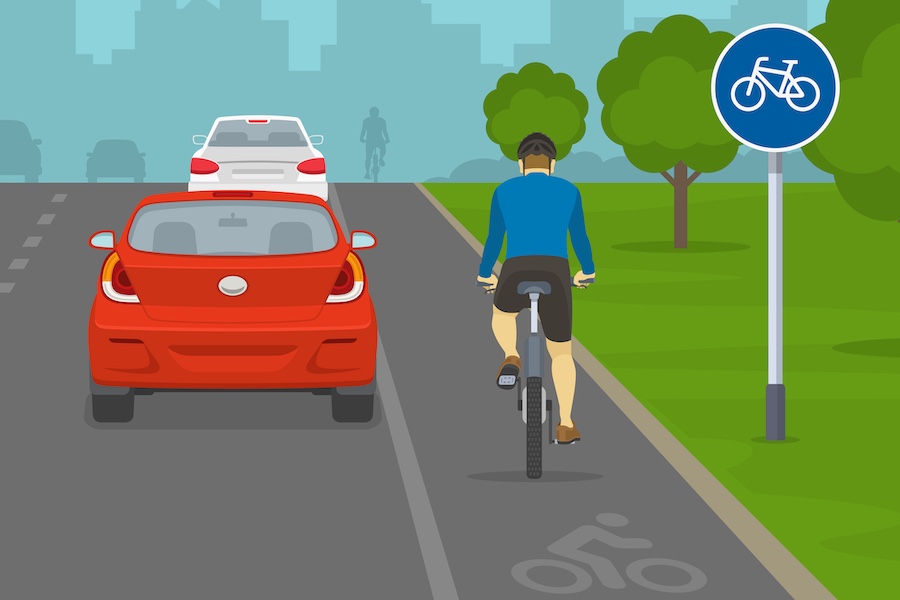
Use bike lanes or multi-use paths whenever available. If you’re on the road, ride with the flow of traffic, not against it. Stay off sidewalks where local laws prohibit biking.

Follow the Rules of the Road
Stop at all traffic signs and signals, use hand signals to show turns or stops, and be mindful of your surroundings. Treat your bike like any other vehicle on the road.

For Drivers: You’re Sharing the Road

Stay Alert
More bikes on the road means more reason to stay focused. Put down distractions and watch for cyclists—especially near schools, parks, and residential neighborhoods.

Give Space
When passing a cyclist, give at least three feet of clearance. If the road is narrow or visibility is poor, wait until it’s safe to pass—rushing could cost a life.

Check Before You Turn or Open a Door
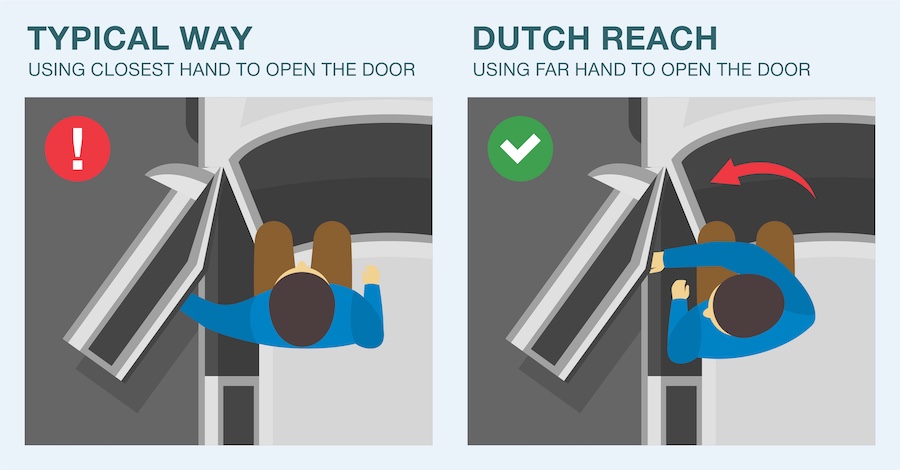
Always look for cyclists before turning, especially at intersections or driveways. And if you’re parked on the street, use the “Dutch Reach” technique—opening your car door with your far hand to prompt a look back for approaching bikers.

The Dutch Reach method is opening a car door with the inside hand.

Be Patient and Kind
Cyclists have the same rights and responsibilities as drivers. A little patience goes a long way toward creating a safer, more respectful road environment for everyone.

Learn More and Ride Smart

The National Highway Traffic Safety Administration (NHTSA) offers a wealth of information about bicycle safety for riders and motorists alike. Visit nhtsa.gov/road-safety/bicycle-safety to explore safety tips, helmet fitting guides, and more.

Whether you’re behind the wheel or behind the handlebars, safety is a shared responsibility. This summer, let’s make our roads safer and more welcoming for everyone. Ride safe, drive smart — and enjoy the season.

More From Uncas Health District

Sign Up for Our Bi-Weekly Newsletter

National Safety Month: Simple Steps for a Safe June (and Beyond!)

girl wearing doctor uniform holding first kit

June is National Safety Month, a dedicated time to raise awareness about preventing injuries and accidents. But safety shouldn’t be confined to just one month — here are some easy-to-implement tips to keep yourself and your loved ones safe all year round.

Be Prepared with a First-Aid Kit

Accidents happen. Having a well-stocked first-aid kit readily available at home, in the car, or at work can make a big difference in treating minor injuries. Review the contents of your kit regularly and replace expired items.

Safety First at Work

If your job involves potentially hazardous conditions, following safety guidelines is paramount. This includes wearing high-visibility clothing in low-light environments, using proper footwear with good traction, and ensuring all equipment is functioning correctly before operating it. Don’t be afraid to speak up if you see unsafe practices – your voice can prevent accidents.

Road Safety

While it’s always important to practice safe and cautious driving, June is a month to remember that school is out — kids will be out playing, there is an increase in road work — which can put workers at risk of injury or death, and motorcycles are out — but are often less visible than most other vehicles on the road.

Reduce Risks

Sometimes, the best safety measure is simply removing potential hazards. Take a look around your home and workplace. Are there loose cords, tripping hazards, or cluttered walkways? By keeping your environment organized and clutter-free, you significantly reduce the risk of slips, trips, and falls.

Prepare for Emergencies

Disasters can strike at any time. Being prepared can minimize stress and confusion in the face of an emergency. Work with your family to create an emergency plan that outlines evacuation routes, communication strategies, and meeting locations. Regularly update your plan and conduct practice drills to ensure everyone knows what to do.

By incorporating these simple steps into your daily routine, you can significantly reduce the risk of accidents and injuries for yourself and those around you. Remember, safety is a shared responsibility – let’s all work together to make every month a safe month!

Bonus Tip: National Safety Council (https://www.nsc.org/) offers a wealth of resources on safety in the workplace, at home, and on the road. Take some time this June to explore their website and learn more about how you can stay safe!

Don’t Face Crisis Alone — Suicide Prevention Resources Save Lives

As mental health challenges and crises — including anxiety, depression, substance use struggles, and thoughts of suicide — can arise unexpectedly, it’s important to know help is only a call, text, or click away. In Eastern Connecticut, Uncas Health District partners with the national 988 Suicide & Crisis Lifeline and a network of regional crisis centers to provide free, confidential, 24/7 support to anyone in need.

The 988 Suicide & Crisis Lifeline

  • Call: Dial 988 on any phone.

  • Text: Send a text message to 988.

  • Chat: Visit 988Lifeline.org for secure online chat.

All 988 services are staffed by trained crisis counselors who offer immediate emotional support, safety planning, and referrals to local resources. Studies show that engaging with a Lifeline counselor leads to feeling less depressed, less overwhelmed, and more hopeful .

Local Crisis Centers — No‑Appointment‑Needed

For those who prefer in‑person help, these centers welcome walk‑ins across Southeastern Connecticut:

You can also dial 2‑1‑1 and press “1” twice to be routed to regional adult crisis services—available 24/7 UHD_988_Suicide_Prevent….

What to Expect When You Reach Out

  1. Immediate Assistance
    Within moments of calling, texting, or chatting, you’ll connect with a counselor ready to listen without judgment.

  2. Resource Referrals
    Counselors can guide you to ongoing support: outpatient counseling, psychiatric care, peer‑led groups, and more.

  3. Warm Transfers
    If you need mobile crisis response or emergency services, counselors can facilitate a seamless “warm” hand‑off to first responders or on‑site teams

You Are Not Alone—Reach Out Today

Whether you’re experiencing a sudden crisis or ongoing mental health challenges, remember:

  • 988 is free, confidential, and available from any phone.

  • Regional centers require no appointment—just walk in or dial (860) 437‑4550.

  • Texting or chatting online may feel easier if you’re not ready to speak aloud.

For more information and additional support services in Eastern Connecticut, visit Uncas Health District at uncashd.org. You don’t have to face these moments on your own — help is here, right now.

Eastern CT Sees Surge in Tick Activity — Stay Safe and Prevent Tick-Borne Illnesses

sign warning of ticks in the area

As we move into mid‑May in Eastern Connecticut, tick activity is rising. With warm, mild conditions replacing a short winter, our local environment has become prime real estate for ticks at every life stage. According to experts at the Connecticut Agricultural Experiment Station (CAES), including Dr. Goudarz Molaei, this year’s unusually mild winter and early snow melt have triggered an earlier and potentially more active tick season in our region.

Ticks thrive in grassy, brushy, and wooded areas where hosts like deer, rodents, and even household pets are often found. Outdoor enthusiasts, gardeners, and pet owners should be aware that ticks are no longer confined to late spring and summer. Still, they can be encountered year‑round, especially in seasons following warmer winters.

How to Prevent Tick Bites

Reducing exposure to ticks is the cornerstone of tick‑borne disease prevention. The CDC recommends several key steps to keep you and your family safe when spending time outdoors:

  • Know where ticks live. Avoid wooded and brushy areas with high grass and leaf litter.

  • Dress for defense. Wear long sleeves, long pants tucked into socks, and light‑colored clothing to spot ticks easily.

  • Use EPA‑registered repellents. Apply repellents containing DEET, picaridin, or Oil of Lemon Eucalyptus on exposed skin, and treat clothing and gear with permethrin (0.5%).

  • Walk smart. Stay on cleared trails and walk in the center to reduce contact with vegetation.

  • Create a tick‑safe yard. Remove leaf litter, clear tall grasses around your home, and consider a wood chip barrier to deter tick migration into recreational areas.

What to Do If You Find a Tick

Despite your best efforts, ticks can still find their way onto your body. If you discover an attached tick:

  1. Remove it promptly. Use clean, fine‑tipped tweezers to grasp the tick as close to the skin’s surface as possible and pull upward with steady, even pressure—no twisting or jerking.

  2. Dispose safely. Place the tick in a sealed container, wrap it tightly in tape, or submerge it in alcohol. Avoid crushing it with your fingers.

  3. Clean the bite area. Wash the site and your hands thoroughly with soap and water or rubbing alcohol.

  4. Monitor and save evidence. Keep an eye on the bite site, and consider saving the tick in a sealed container for identification if symptoms develop CDC.

Conduct Regular Tick Checks

After outdoor activities, perform a full‑body tick check. Key places to inspect include:

  • Under arms

  • In and around ears

  • Inside the belly button

  • Back of knees

  • In and around the hairline

  • Between legs

  • Around the waist

Showering within two hours of being outdoors can wash off unattached ticks and is an ideal time for a thorough check.

Symptoms to Watch For

Early detection of tick‑borne illnesses is crucial. Recognizing the warning signs can prompt timely medical attention.

  • Lyme Disease: Fever, headache, fatigue, muscle and joint aches, swollen lymph nodes, and the hallmark erythema migrans (“bull’s‑eye”) rash appearing 3–30 days post‑bite. Later signs can include facial paralysis, severe headaches, heart palpitations, and arthritis.

  • Babesiosis: Flu‑like symptoms—fever, chills, sweats, headache, body aches, loss of appetite, nausea, and fatigue—and in severe cases hemolytic anemia and jaundice.

  • Anaplasmosis: Fever, headache, malaise, and muscle aches, typically beginning 5–14 days after a tick bite. Severe illness can develop, especially in older or immunocompromised individual.

  • Powassan Virus: Initial symptoms include fever, headache, vomiting, and weakness. Severe neuroinvasive disease may cause encephalitis or meningitis, with confusion, loss of coordination, and seizures—and transmission can occur in as little as 15 minutes of attachment.

If you develop a rash or fever within days to weeks of a tick bite, seek medical care promptly. Inform your healthcare provider of the tick exposure, when it occurred, and where you likely acquired it.

More from the Uncas Health District

Quit Tobacco For Good. Uncas Health District Launches Free Virtual Tobacco Cessation Program

Hand releases a pack of cigarettes into a garbage can

Uncas Health District is now enrolling Eastern Connecticut residents in a FREE, science-based Tobacco Cessation Program delivered virtually via Zoom. Beginning Wednesday, May 14, 2025, and running for eight sessions over seven weeks, this initiative uses the American Lung Association’s Freedom From Smoking® curriculum to help participants prepare to quit, quit, and — most importantly — stay tobacco-free.

Program Highlights

  • Supportive, Science-Based Environment: Engage with a community of peers in a structured setting focused on lasting behavior change.

  • Comprehensive Quit Support: From preparing to quit to relapse prevention, every step is guided by trained facilitators.

  • Healthy Lifestyle Reinforcement: Learn stress-management techniques, increase physical activity, and adopt healthier eating habits to support your tobacco-free life.

  • Free Resources: Participants receive nicotine patches, gum, or lozenges at no cost, plus the Freedom From Smoking® workbook.

Schedule & Enrollment

  • When: Wednesdays at 6:30 PM, starting May 14, 2025

  • Format: Eight 90-minute sessions via ZOOM

  • Who: Open to adults living in Eastern Connecticut

  • Cost: Free of charge

  • Enrollment Limit: Spaces are limited; early registration is encouraged

How to Register
Pre-registration is required. To secure your spot, contact:
Carolyn Wilson, MPH, CHES, NCTTP, CPS
Email: [email protected]
Call/Text: 860-400-2072

This program is supported by the Preventive Health & Health Services Block Grant, funded by the Centers for Disease Control and Prevention.

Learn More