
Gov. Lamont Activates Extreme Hot Weather Protocol Monday

Cooling Centers Will Open and Can be Located by Visiting 211ct.org or Calling 2-1-1

Governor Ned Lamont today announced that due to a weather forecast indicating that Connecticut will experience a multi-day heat wave over the coming week, he is directing the state’s Extreme Hot Weather Protocol to be activated effective at 12:00 p.m. on Monday, July 28, 2025, and remaining in effect through at least 8:00 p.m. on Wednesday, July 30, 2025.

During this period, temperatures are expected to reach into the 90s and will be accompanied by humid conditions pushing the heat index near or above 100 degrees.

This is the third time the protocol has been activated this year. The purpose of activating the protocol is to ensure that the most vulnerable populations receive protection from the hot conditions. While enacted, a system is set up for state agencies, municipalities, and other partners to coordinate with United Way 2-1-1 to make sure that information regarding cooling centers is available statewide, providing a location for those in need of relief.

Cooling centers will be available throughout the state. Anyone in need of a place to get out of the heat can locate their nearest cooling center by viewing the list that will be published online at 211ct.org or calling 2-1-1.

“The forecast is indicating that we are in for another stretch of hot and muggy conditions over the next few days, and we’re working with our partners to open cooling centers,” Governor Lamont said. “We’re advising those who are most vulnerable to extreme conditions, especially seniors and those who have certain disabilities and medical conditions, that they should take precautions to stay hydrated and cool. To locate a nearby cooling center, view the list that will be published online at 211ct.org or call 2-1-1.”

The following actions are implemented while Connecticut’s Extreme Hot Weather Protocol is enacted:

  • The Connecticut Department of Emergency Services and Public Protection’s Division of Emergency Management and Homeland Security uses its WebEOC communications network, which is an internet-based system that enables local, regional, and state emergency management officials and first responders to share up-to-date information about a variety of situations and conditions.
  • Municipalities and other partners submit information on the opening of cooling centers into the WebEOC, providing a real-time database on the availability of these locations statewide. United Way 2-1-1 uses the system to act as a clearinghouse to assist residents in locating a cooling center.
  • Regional coordinators from the Division of Emergency Management and Homeland Security monitor WebEOC to respond to any requests from municipalities for state assistance.
  • The energy utility companies provide the state with regular updates regarding the impact of the weather conditions on their respective utilities throughout the duration of the protocol.

Although anyone can suffer from heat-related illness, some people are at greater risk than others:

  • Infants and young children are sensitive to the effects of high temperatures and rely on others to regulate their environments and provide adequate liquids.
  • People 65 years of age or older may not compensate for heat stress efficiently and are less likely to sense and respond to change in temperature.
  • People who are overweight may be prone to heat sickness because of their tendency to retain more body heat.
  • People who overexert during work or exercise may become dehydrated and susceptible to heat sickness.
  • People who are physically ill, especially those with heart disease or high blood pressure, or who take certain medications, such as for depression, insomnia, or poor circulation, may be affected by extreme heat.

Some prevention tips to stay safe in extreme heat include:

  • Keep your body temperature cool to avoid heat-related illness.
  • Stay in air-conditioned buildings as much as possible. If you must be outdoors, try to limit your outdoor activity to the morning and evening. Try to rest often in shady areas so that your body has a chance to cool off.
  • Find an air-conditioned location. (Call 2-1-1 for a list of cooling centers.) Do not rely on a fan as your primary cooling device.
  • Avoid direct sunlight.
  • Wear lightweight, light-colored clothing.
  • Take cool showers or baths.
  • Check on those most at-risk several times a day.
  • Pets that cannot be brought indoors should be provided ready access to water and shade to keep them cool.
  • Never leave pets inside of parked vehicles because temperatures can soar to life-threatening levels within minutes.

Everyone is also reminded to stay hydrated during periods of extreme heat. As we lose fluid through sweat, dehydration is common during very high temperatures. It is strongly encouraged to:

  • Drink more water than usual.
  • Don’t wait until you’re thirsty to drink more fluids.
  • Drink two to four cups of water every hour while working or exercising outside.
  • Avoid alcohol or liquids containing high amounts of sugar.
  • Remind others to drink enough water.

More from the Uncas Health District

Power Down: Your Guide to Staying Safe When the Lights Go Out

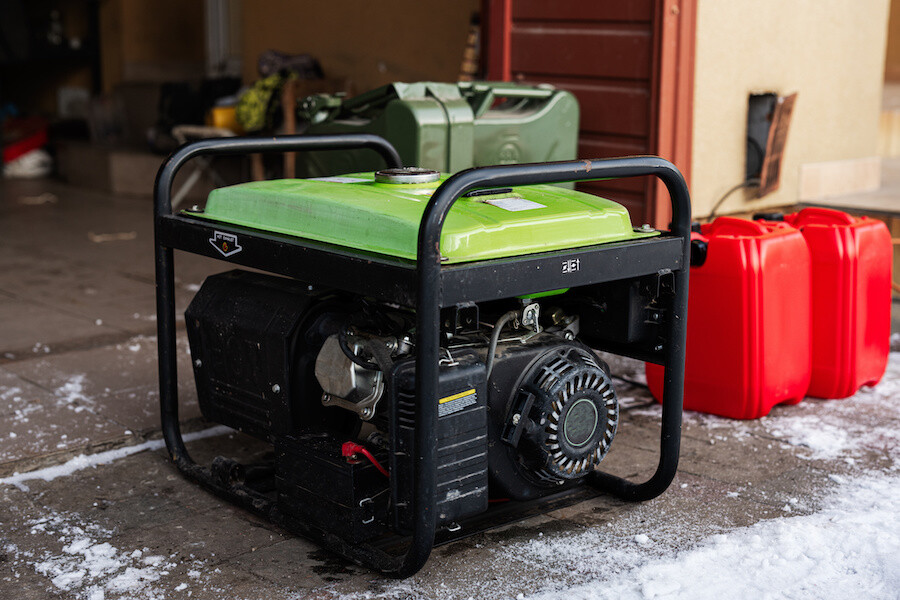
gas generator in garage with gas cans

When the power goes out, and you’re left in the dark, a generator can save the day. However, before firing up these powerful machines, remember that generators, while helpful, require careful use and caution. Neglecting safety can lead to serious health hazards and even death.

Carbon Monoxide: The Silent Killer

One of the biggest threats posed by generators is carbon monoxide (CO), a colorless, odorless gas produced by combustion. Inhaling CO can be deadly. It silently sneaks into your home through open windows or doorways, replacing oxygen in your bloodstream and robbing your body of vital energy.

Safety Tips:

  • Never run a generator indoors, in garages, basements, or any enclosed space.

  • Place the generator at least 20 feet away from your house, downwind if possible.

  • Install battery-powered carbon monoxide detectors in your home, near bedrooms and living areas.

  • Test your CO detectors monthly and replace batteries regularly.

  • If you experience dizziness, headache, nausea, or weakness, seek fresh air immediately and call emergency services.

Electrocution: Shocking Dangers

Generators generate electricity, and that means potential for shock. Improper use can lead to serious injury or even death.

Safety Tips:

  • Only operate the generator on a dry, level surface.

  • Keep the generator dry and avoid running it in rain or wet conditions.

  • Do not touch the generator with wet hands.

  • Use properly grounded, heavy-duty extension cords specifically designed for outdoor use.

  • Never connect a generator directly to your home’s electrical system. This can back feed electricity to the grid, endangering utility workers and others.

Beyond the Generator: General Power Outage Precautions

While safe use of generators is important; don’t forget additional precautions while the power is out:

  • Fire Safety: Use flashlights or battery-powered lamps instead of candles. Keep fire extinguishers close at hand.

  • Food Safety: Refrigerated and frozen food may spoil quickly. Keep coolers on hand and pack them with ice to preserve perishables.

  • Medical Needs: If you rely on medical equipment requiring electricity, have a backup plan in place, such as battery-powered devices or alternative care arrangements.

  • Communication: Stay informed about the outage and potential restoration times through battery-powered radios or online sources accessible on your phone.

Remembering these safety tips and general precautions can help you navigate power outages with confidence and keep yourself and your loved ones safe. When darkness descends, let common sense and caution guide your way until the lights come back on.

Bonus Tip: Invest in a generator transfer switch installed by a qualified professional. This allows you to safely connect your generator to your home’s electrical system, providing backup power without the risk of backfeeding.

Stay safe, stay informed, and remember, even when the lights are out, knowledge is your brightest power source.

Learn more about Carbon Monoxide Poisoning from the CDC.

Extreme Hot Weather Protocol Activated — What You Need to Know

Woman drinking water in heat wave

With temperatures expected to reach the mid-to-upper 80s for several consecutive days this week, Governor Ned Lamont has activated the state’s “Extreme Hot Weather Protocol”  to ensure that the most vulnerable populations receive protection from the hot conditions. The protocol goes into effect at noon on Tuesday, June 18, and will remain in effect through noon on Sunday, June 23.

Staying Cool During the Heatwave

Those in the Uncas Health District can find a continuously updated list of available cooling centers by calling 2-1-1 or visiting 211ct.org. Additionally, St. Vincent de Paul Place in Norwich will be open as a cooling center starting at 6:30 a.m. each day through Saturday.

Taking Precautions

Extreme heat can pose serious health risks, especially for vulnerable populations. Here are some essential precautions to take during the heatwave:

  • Stay Hydrated: Drink plenty of water throughout the day, even if you don’t feel thirsty. Avoid sugary drinks and excessive amounts of alcohol, as they can dehydrate you.
  • Stay Cool Indoors: Limit strenuous activity outdoors, especially during peak heat hours (typically between 10 am and 4 pm). If you don’t have air conditioning, spend time in public libraries, shopping malls, or cooling centers.
  • Dress for the Weather: Wear loose-fitting, lightweight clothing made from breathable fabrics like cotton.
  • Protect Yourself from the Sun: Apply sunscreen with SPF 30 or higher and wear a wide-brimmed hat whenever outdoors.
  • Never Leave Children or Pets Unattended in Vehicles: This can be deadly, even for short periods.

Recognizing Heat-Related Illness

It’s important to be aware of the signs of heat-related illness, which can range from mild to life-threatening. Here’s what to watch for:

  • Heat Exhaustion: Symptoms include heavy sweating, weakness, dizziness, nausea, and cold, clammy skin.
  • Heatstroke: This is a medical emergency and requires immediate medical attention. Signs include a high body temperature (above 103°F), confusion, disorientation, seizures, and a rapid, weak pulse.

If you experience any concerning symptoms, move to a cool place, remove excess clothing, and drink fluids. In severe cases, call 911 immediately.

By following these tips and staying informed, you can stay safe and healthy during this heatwave. Let’s work together to beat the heat and ensure a comfortable week for everyone in Connecticut.

Additional Tips From the Department of Public Health