
Hot weather can become dangerous quickly, especially when high temperatures combine with humidity. During extreme heat, the body has to work harder to stay cool. If it cannot cool itself properly, heat-related illness can develop. Older adults, infants and young children, people with chronic health conditions, outdoor workers, athletes, and people without reliable air conditioning are at higher risk.
Prepare Before the Heat
A few simple steps can lower your risk before the first very hot day.
Check the forecast and pay attention to heat advisories, heat warnings, and humidity. Plan outdoor work, errands, yardwork, and exercise for the morning or evening when temperatures are lower. Avoid prolonged exposure to direct sun, and take breaks in shaded or air-conditioned areas.
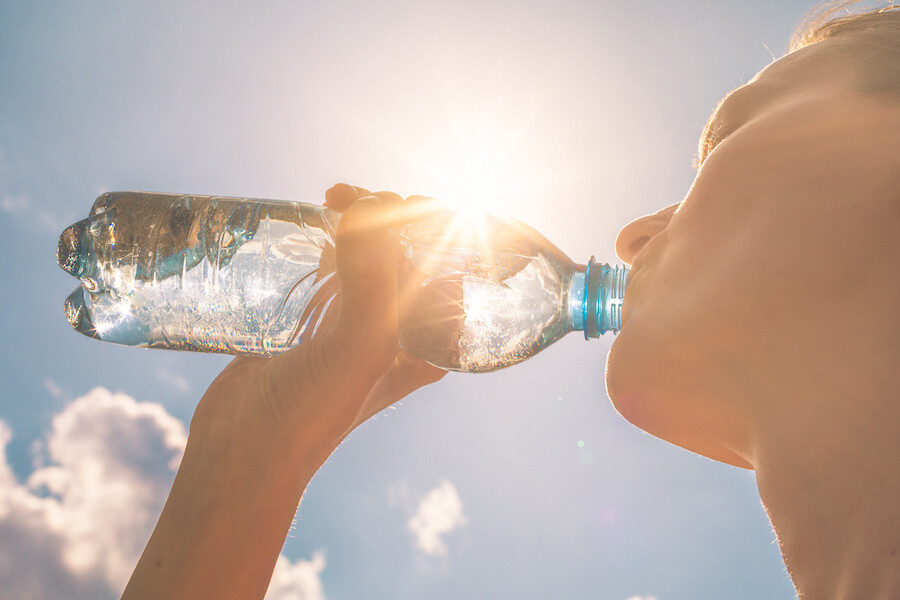
Keep water available at home, at work, and when traveling. Do not wait until you feel thirsty to drink. During periods of extreme heat, people who are working or exercising outside may need to drink more often than usual. Connecticut emergency officials recommend drinking more water than usual, avoiding alcohol and other sugary drinks, and reminding others to hydrate.
Use sun protection whenever you spend time outdoors. The CDC recommends broad-spectrum sunscreen with SPF 15 or higher, applied to exposed skin before going outside and reapplied after two hours, swimming, sweating, or toweling off. Sunscreen expires, and high temperatures can shorten its shelf life; check the dates and replace old bottles.
Wear lightweight, loose-fitting clothing. A wide-brimmed hat and sunglasses can also help reduce sun exposure. Shade matters, but sunscreen and protective clothing are still important even when you are under a tree, tent, or umbrella.
What to Keep in Your Car
Your car should not be your cooling plan, but it can hold supplies that help during delays, breakdowns, traffic, or emergencies.
Keep these items stocked during warm weather:
- Bottled water
- Electrolyte packets or drinks
- A small first aid kit
- Sunscreen, replaced regularly because heat can shorten shelf life
- A hat and sunglasses
- Lightweight, light-colored extra clothing
- Cooling towels or clean cloths that can be dampened
- A phone charger or power bank
- Nonperishable snacks
- Any needed emergency contact information
- A small umbrella or shade item
- Supplies for children, older adults, or pets who travel with you
Never leave a child, an older adult, a person with a disability, or a pet alone in a parked vehicle. Rolling down windows or parking in the shade does not make a vehicle safe. The National Highway Traffic Safety Administration warns that a child’s body temperature rises three to five times faster than an adult’s, and heatstroke can become life-threatening.
Know the Signs of Heat Illness
Heat illness can start with mild symptoms and progress to serious illness. Take early symptoms seriously.
Heat cramps may include painful muscle cramps or spasms, often in the legs or abdomen, along with heavy sweating. Move to a cooler place, rest, and sip water. Get medical help if cramps last longer than one hour.
Heat exhaustion can include heavy sweating, weakness, tiredness, cool or clammy skin, fast or weak pulse, dizziness, headache, nausea, vomiting, muscle cramps, or fainting. Move the person to a cooler area, loosen clothing, apply cool wet cloths, and offer sips of water. Seek medical attention if symptoms worsen, vomiting occurs, or symptoms last longer than one hour.
Heat stroke is a medical emergency. Signs may include confusion, slurred speech, loss of consciousness, seizures, hot, dry skin, or heavy sweating, very high body temperature, rapid pulse, dizziness, nausea, or fainting. Heat stroke can cause permanent disability or death if emergency treatment is delayed.
If heat stroke is suspected, call 911 immediately. Move the person to a cooler area, remove outer clothing, and cool them quickly with cold water, wet cloths, ice packs, or a cool bath if available. Do not give fluids to someone who is confused, unconscious, or unable to drink safely.
How to Escape the Heat
Air conditioning is one of the most effective ways to reduce the risk of heat-related illness. During extreme heat, spend time in an air-conditioned building whenever possible. This may include your home, a friend or family member’s home, a library, a senior center, a community center, a shopping center, or a designated cooling center.
In Connecticut, cooling centers are often opened locally during periods of extreme heat. If a city or town opens a designated cooling center, United Way 2-1-1 lists locations and hours. Residents can call 2-1-1 or check 211CT for local cooling center information.
Other ways to cool down include taking a cool shower or bath, using cool wet cloths on the neck and wrists, resting in the shade, reducing outdoor activity, and avoiding direct sunlight during the hottest part of the day. Fans can help in some conditions, but they should not be the only cooling method during extreme heat.
Check on Others
Heat safety is a community issue. Check on neighbors, relatives, and friends who may be more vulnerable, especially older adults, people living alone, people with respiratory or heart conditions, families with young children, and anyone without access to air conditioning. Make sure they have water, a cool place to go, and transportation if they need to reach a cooling center.
Heat-related illness is preventable. Plan ahead, stay hydrated, limit heat exposure, know the warning signs, and get help quickly when symptoms become serious.