Hurricane Season: What to Do if a Major Storm Impacts Connecticut

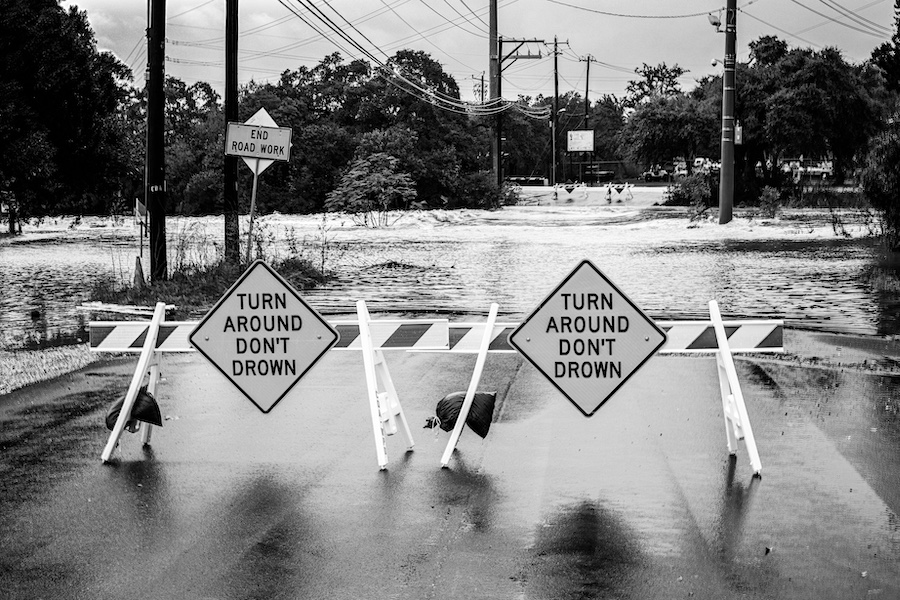
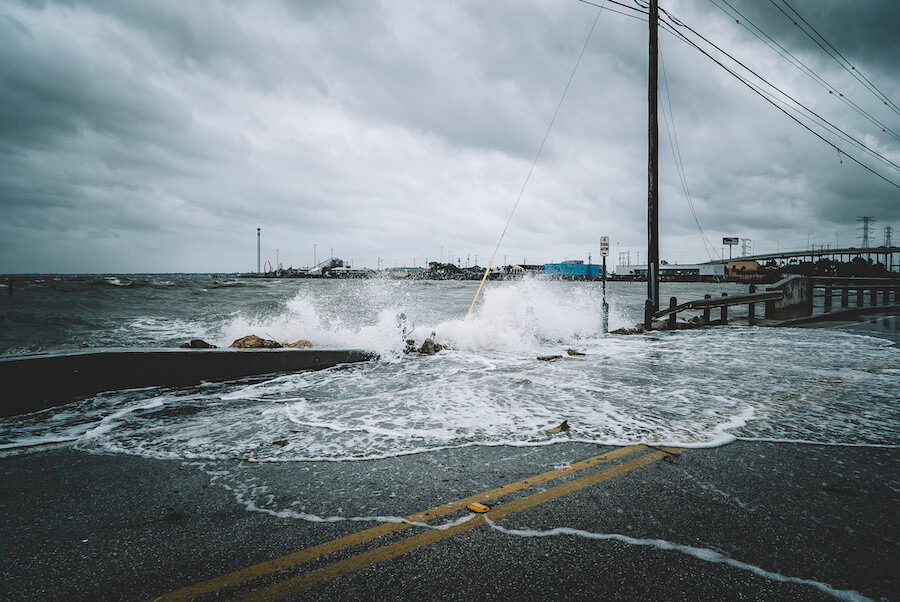
Water coming over road during hurricane

Hurricane season is here, and while Connecticut is not as frequently affected by hurricanes as many southern coastal areas, it is not immune to the potential impacts of these powerful storms. For your safety and the well-being of your loved ones during hurricane season, it’s important to be prepared. Here are some valuable tips for staying safe and being prepared in the event of a hurricane impacting Southeastern Connecticut.

Remain Informed About Developments

The first step in hurricane preparedness is staying informed. Keep a close watch on weather forecasts and pay attention to any hurricane watches or warnings issued by the National Weather Service (NWS). Sign up for emergency alerts and notifications through platforms like FEMA’s Wireless Emergency Alerts (WEA) and the Emergency Alert System (EAS) to receive timely updates.

Create a Hurricane Emergency Kit

First, a well-prepared emergency kit is essential for any disaster situation. Assemble your kit well in advance of hurricane season and include items like:

  • Non-perishable food and a manual can opener
  • Bottled water (at least one gallon per person per day)
  • First-aid supplies and prescription medications
  • Flashlights with extra batteries
  • A battery-powered or hand-cranked radio
  • Personal hygiene items and sanitation supplies
  • Important documents (passport, insurance papers, identification)
  • Cash in small denominations
  • Pet supplies if you have pets

Develop an Evacuation Plan

In the event of a hurricane, you may need to evacuate your home. Plan your evacuation route in advance and communicate it with your family members. Identify local shelters or hotels that accept pets if you have them. Consider the needs of elderly family members or individuals with disabilities when planning your evacuation.

Secure Your Home

Prepare your home for a hurricane by taking the following steps:

  • Reinforce windows with hurricane shutters or plywood.
  • Trim trees and bushes to reduce the risk of debris during high winds.
  • Ensure your roof is in good condition and make any necessary repairs.
  • Elevate valuable items and electronics in your home to protect them from flooding.
  • Secure outdoor furniture and loose objects that could become projectiles in high winds.

Stock Up on Supplies

Stock up on essential supplies well in advance of a hurricane. Grocery stores and gas stations may run out of supplies in the days leading up to a storm. Ensure you have enough food, water, and other necessities to last at least three days.

Health Considerations

Hurricanes can have a significant impact on your health. Here are some health-related tips:

  • Keep a supply of necessary medications on hand.
  • Stay hydrated to prevent heat-related illnesses during power outages.
  • Avoid floodwaters, as they may be contaminated and pose health risks.
  • Protect yourself from mosquito-borne diseases by using repellent and wearing long-sleeved clothing.

Stay Connected

Maintain communication with friends and family during a hurricane. Share your whereabouts and safety status regularly. Consider investing in a backup power source for your phone, such as a portable charger or a car charger, as power outages can disrupt communication.

Sign up for Text Alerts from Uncas Health District
 

Flash Floods — Keeping Safe in Rapidly Rising Flood Waters

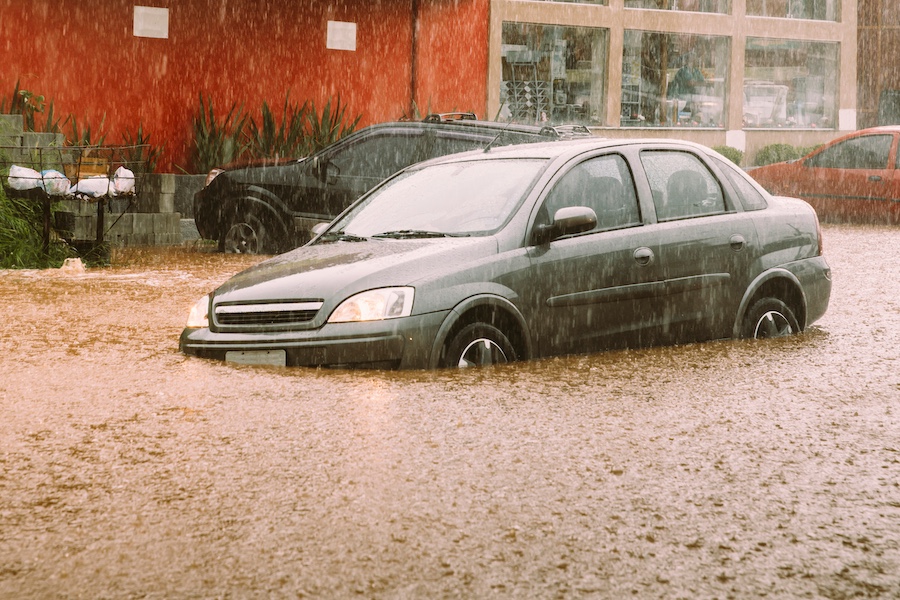
Car submerged in flood waters.

Flash floods can strike with little warning and devastating force. This summer’s catastrophic flash floods in central Texas — where more than 100 lives were lost over the July 4th weekend — remind us how quickly deadly waters can form and sweep away everything in their path. The communities of Uncas Health District and its river valleys, brooks, and low‐lying areas can flood just as rapidly when heavy storms stall overhead. Understanding where you’re most vulnerable and how to respond can mean the difference between life and death.

If You Hear a Flash Flood Warning

A Flash Flood Warning means flooding is already occurring or imminent. Do not wait — act immediately:

  • Move to higher ground. Even a few feet of elevation can save your life.
  • Avoid floodwaters. Do not walk, swim, or drive through moving water. Six inches can knock you off your feet; two feet can carry away most vehicles.
  • Tune in. Use NOAA Weather Radio, local news, or smartphone alerts for updates.
  • Check on neighbors. Especially those who are elderly, disabled, or may not receive alerts.
  • If roads are blocked, turn around and find an alternate route—never attempt to “beat the water.”

Preparing in Advance: Build Your Flash Flood Response

By planning now, you’ll be ready to move fast when storms hit. Consider these steps:

  • Know your flood risk. Consult FEMA’s Flood Insurance Rate Maps or your town’s floodplain manager to see if your property lies in a Special Flood Hazard Area.
  • Create an emergency kit. Include water, non-perishable food, a flashlight, batteries, first-aid supplies, and important documents sealed in waterproof bags.
  • Establish an evacuation plan. Identify higher-ground shelters, safe routes (avoiding known low bridges and dips), and a family meeting spot.
  • Elevate critical utilities. Move appliances, heating systems, and electrical panels above the expected flood depth.
  • Purchase flood insurance. Standard homeowners’ policies don’t cover flood damage, and NFIP policies have a 30-day waiting period, so act early.
  • Stay connected. Sign up for CTAlert and your town’s local emergency notifications.
  • Practice your plan once or twice a year so everyone knows what to do without hesitation.

Flash flood warning sign

What Not to Do During Flash Flooding

Avoid these common — but-potentially-deadly mistakes:

  • Don’t drive into flooded roadways. “Turn Around, Don’t Drown” isn’t just a slogan—it saves lives.
  • Don’t underestimate shallow water. Even a foot of fast-moving water can carry away a small SUV.
  • Don’t walk near culverts or storm drains. Currents can sweep you under in seconds.
  • Don’t let children play near rushing brooks. What looks like a fun stream can turn into a drowning hazard.
  • Don’t wait for official evacuation orders if water is rising fast — local responders may not reach every neighborhood in time.

Stay Vigilant and Prepared

Flash flooding is a natural hazard that can happen extremely fast, and as extreme precipitation events become more frequent, the risks grow. By understanding the specific vulnerabilities in the area, heeding official warnings, and preparing in advance, you’ll be ready to protect yourself, your family, and your community. When storms roll in, remember the lessons of the tragedy in Texas: swift water is immensely powerful, and seconds count. Stay safe, stay informed, and move to higher ground without delay when floods threaten.

Preparing for Summer Hazards: Heat, Storms, and Power Outages

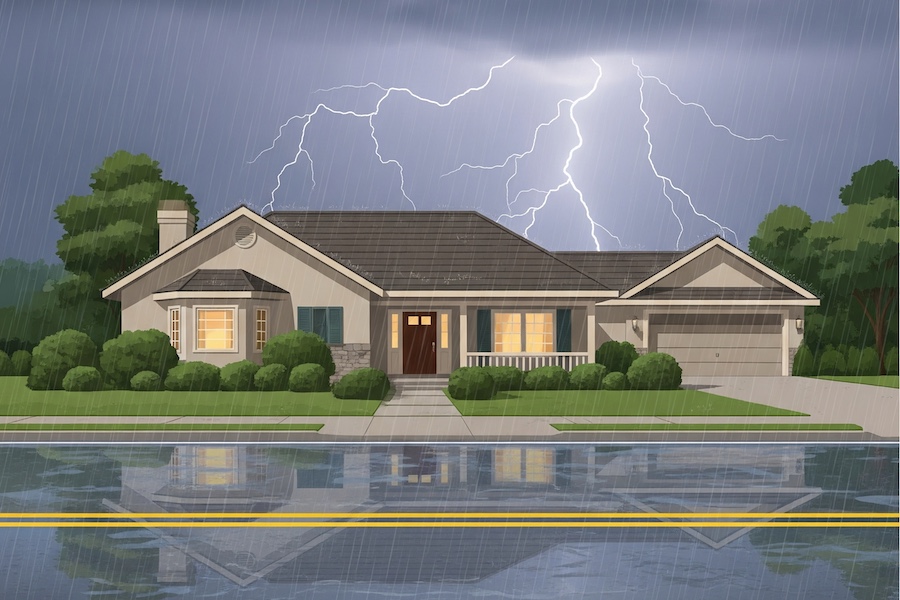
house with a flooded road and lightning

Summer in New England brings a range of seasonal risks that can quickly escalate into emergencies. Due to climate change, extreme heat, severe thunderstorms, and power outages are all more frequent and dangerous. Preparing ahead of time can reduce harm and ensure that individuals, households, and communities stay safe during these events.

This article outlines key guidance from the American Red Cross on how to prepare for and respond to summer weather hazards.

Extreme Heat

Extreme heat is the leading weather-related cause of death in the United States. It is especially dangerous for older adults, infants, people with chronic illnesses, and those without access to air conditioning.

Preventive Measures

Hydration: Drink at least ¾ gallon of water daily per person. Avoid sugary, caffeinated, and alcoholic beverages. If you’re sweating heavily, supplement water with snacks or electrolyte-replacement drinks

Cooling: Air conditioning is the most effective protection. If not available at home, identify and use public cooling centers, libraries, or malls. Electric fans may not be effective once temperatures exceed the high 90s.

Clothing: Wear lightweight, light-colored, loose-fitting clothing.

Activity: Avoid strenuous outdoor activity during the hottest part of the day.

Signs of Heat-Related Illness

Heat cramps: Painful muscle spasms. Treat with hydration and rest in a cool place.

Heat exhaustion: Symptoms include heavy sweating, weakness, nausea, and dizziness. Move to a cooler area, loosen clothing, and hydrate. Seek medical attention if symptoms persist or worsen.

Heat stroke: A medical emergency. Symptoms include high body temperature (104°F+), confusion, unconsciousness, and hot, dry skin. Call 911 immediately.

Community Responsibility

Check regularly on older adults, neighbors living alone, and individuals with health conditions during heat events. Ensure pets are not left outside or in vehicles.

Power Outages

Power outages can disrupt cooling, food safety, communication, and access to medical equipment. They often occur alongside storms or extreme heat.

Preparation Steps

Emergency Kits: Maintain a Go-Kit (3 days of supplies) and a Stay-at-Home Kit (2 weeks of supplies), including food, water, medication, backup batteries, and flashlights.

Backup Power: If reliant on electrically powered medical devices, consult your physician about backup power options.

Food Safety: Use thermometers to monitor fridge and freezer temperatures. Discard perishable food if it has been above 40°F for more than two hours.

Safe Heating and Cooking: Never use generators, grills, or gas stoves indoors. Always keep them well-ventilated and outside.

During an Outage

  • Use flashlights instead of candles to reduce fire risk.
  • Unplug electronics to prevent surge damage.
  • If your home becomes unsafe (too hot, too cold, or medically unfit), relocate to a cooling or warming center.

Thunderstorms

Thunderstorms can bring high winds, hail, flash flooding, and dangerous lightning strikes. They also frequently cause power outages and property damage.

Before the Storm

Shelter Location: Identify a sturdy building in advance. Mobile homes, tents, and outbuildings do not offer adequate protection.

Outdoor Items: Secure or bring indoors any items that could become projectiles during high winds (e.g., patio furniture, grills).

Flood Preparation: Ensure gutters and drains are clear. If your home is prone to flooding, consider a sump pump with battery backup and elevate essential utilities.

During the Storm

  • Move indoors immediately when you hear thunder (“When thunder roars, go indoors”).
  • Stay away from windows and avoid using electronics plugged into outlets.
  • Do not bathe, shower, or wash dishes—lightning can travel through plumbing.
  • Never shelter under trees. Vehicles offer some protection, but should not be your first choice.

Flood Safety

  • Avoid walking or driving through flooded areas.
  • Just six inches of water can cause loss of control in vehicles. “Turn Around, Don’t Drown.”

Local Resources

  • Cooling Centers & Emergency Shelter: Dial 2-1-1 or visit your municipality’s website for locations and hours.
  • Weather Alerts: Sign up for emergency notifications through your local government or county.
  • Emergency App: Download the free Red Cross Emergency App for alerts and preparedness checklists at redcross.org/prepare.


More from Uncas Health District

Hurricane Season: It’s Never Too Early to Be Prepared

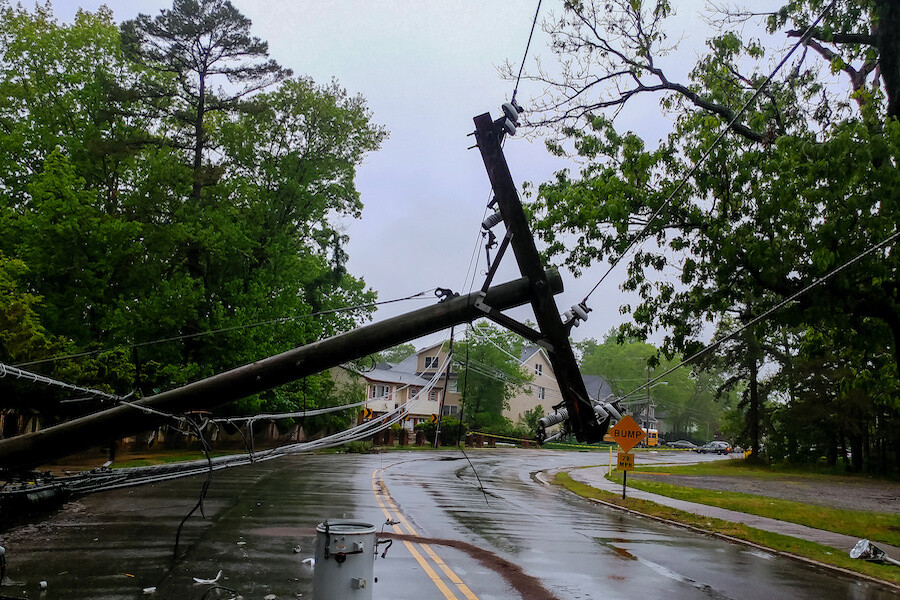
storm damage

It’s June, the days are long and sunny, and thoughts of tropical storms are probably far from your mind. But here in Southeastern Connecticut, hurricane season officially began on June 1st. While major hurricanes are rare in our region, we can still experience the effects of these powerful storms later in the season, typically between August and late September.

Governor Ned Lamont recently emphasized the importance of being proactive in a press release, urging residents to take steps now to ensure their safety and well-being in the event of a hurricane.

“It’s never too early to make sure you and your family are prepared for natural disasters, especially hurricanes,” Governor Lamont said. “Hurricane season is part of our reality in Connecticut, and we’re doing everything we can to make preparations and ensure our residents stay safe, including reminding everyone about the steps they can take to protect themselves, such as making an emergency plan and pulling together emergency kits. A few small steps like these can go a long way and save you time in the event that you need to act quickly.”

Here are some key ways to be prepared for a potential hurricane:

  • Build an Emergency Kit: Stock up on non-perishable food, bottled water (at least one gallon per person per day for three days), a first-aid kit, medications, flashlights, batteries, a battery-powered radio, and a whistle (for signaling for help). Don’t forget to include items for specific needs, like baby supplies or pet food.
  • Power Outage Plan: Charge all portable electronics beforehand. Consider investing in a solar phone charger or a hand-crank radio for extended outages. Flashlights are essential, but headlamps can be even more helpful, keeping your hands free.
  • Water Safety: Hurricanes often bring heavy rain and flooding. Fill a bathtub with clean water for sanitation purposes in case the water supply is compromised.
  • Flood Preparedness: If you live in a low-lying area, consider having sandbags on hand to help prevent floodwaters from entering your home.
  • Secure Your Property: Trim branches from trees around your home to minimize wind damage. Board up windows if necessary. Bring in outdoor furniture and decorations that could become projectiles in high winds.

Stay Informed

Download the CT Prepares app for real-time weather alerts and emergency information.

Preparation is key

 Taking steps now can help ensure your family’s safety and peace of mind throughout the hurricane season.