
CT Reports West Nile Virus Positive Mosquitoes in 22 Towns

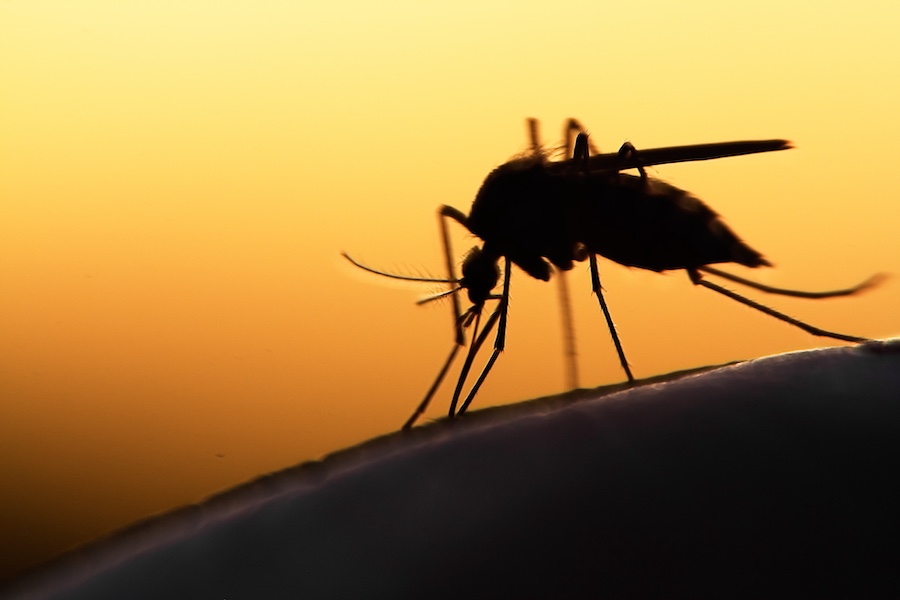
mosquito

The State Mosquito Management Program is warning Connecticut residents about the increasing risk of West Nile virus (WNV) infection this season.  So far, the Connecticut Agricultural Experiment Station (CAES) has detected WNV-infected mosquitoes in 22 towns: Branford, Bridgeport, Cheshire, Danbury, Darien, East Haven, Fairfield, Greenwich, Manchester, Meriden, Milford, Montville, New Britain, New Haven, North Branford, North Haven, Norwalk, South Windsor, Stamford, Stratford, West Haven, and Westport.

There are no reported human cases of WNV so far this season.

“West Nile virus is spreading to additional towns across Connecticut, with the highest levels of virus activity in mosquitoes from Fairfield and New Haven counties,” said John Shepard, Medical Entomologist at CAES. “We expect mosquito infections to continue to increase, raising the risk of human infection from now through the end of September.”

“Now is the time to take precautions against mosquito bites,” said Dr. Philip Armstrong, Chief Scientist at CAES. "We encourage everyone to protect themselves by using insect repellent and covering exposed skin, especially during dusk and dawn when mosquitoes are most active."

To reduce the risk of being bitten by mosquitoes, residents should:

  • Minimize time spent outdoors between dusk and dawn when mosquitoes are most active.
  • When it is necessary to be outdoors, use mosquito repellents containing an EPA-registered active ingredient, including DEET, Picaridin, IR3535, oil of lemon eucalyptus, para-menthane-diol (PMD), or 2-undecanone. EPA registration of skin-applied repellent products indicates that they have been evaluated and approved for human safety and effectiveness when applied according to the label instructions.
  • Wear shoes, socks, long pants, and a long-sleeved shirt when outdoors for long periods of time, or when mosquitoes are more active. Clothing should be light-colored, loose-fitting, and made of tightly woven materials that keep mosquitoes away from the skin.
  • Wear clothing and gear treated with permethrin. Permethrin is an insecticide that kills or repels mosquitoes and ticks.
  • Be sure door and window screens are tight-fitting and in good repair.
  • When sleeping outdoors, use tents or mosquito netting in an unscreened structure. Treat camping gear with permethrin when possible.
  • Cover strollers and baby carriers with mosquito nets when outside.

Last year, WNV was detected in 230 mosquito samples from 37 towns in 6 counties in Connecticut. The majority of WNV activity occurred in urban and suburban regions in Fairfield, Hartford, and New Haven counties. The virus is detected in the Northeast every summer and is the leading cause of mosquito-borne illness in the region.

In 2025, six Connecticut residents were hospitalized with WNV disease; one death was reported among these. Most human infections are acquired from mosquito bites occurring during July through September. The majority of people infected with WNV do not develop symptoms. Approximately 80% of infected individuals remain asymptomatic, while about 20% develop a mild illness characterized by symptoms such as fever, headache, body aches, joint pain, vomiting, diarrhea, or rash. Fewer than 1% of infected individuals develop severe neuroinvasive disease, which can affect the brain, spinal cord, or surrounding tissues and may result in hospitalization, long-term neurological complications, or death.

Connecticut Mosquito Management Program

The response to mosquito-transmitted diseases in Connecticut is a collaborative inter-agency effort involving the Department of Energy and Environmental Protection (DEEP), the Connecticut Agricultural Experiment Station (CAES), the Department of Public Health (DPH), the Department of Agriculture, and the Connecticut Veterinary Medical Diagnostic Laboratory (CVMDL) at the University of Connecticut (UCONN). These agencies are responsible for monitoring mosquito populations and the potential public health threat of mosquito-borne diseases.

The CAES maintains a network of 108 mosquito-trapping stations in 88 municipalities throughout the state. Mosquito traps are set Monday – Thursday nights at each site every ten days on a rotating basis, and then at least once a week after detection of the virus. Mosquitoes are grouped (pooled) for testing according to species, collection site, and date. Positive findings are reported to local health departments and on the CAES website at portal.ct.gov/CAES/Mosquito-Testing/Introductory/State-of-Connecticut-Mosquito-Trapping-and-Arbovirus-Testing-Program.

For information on WNV and eastern equine encephalitis (EEE) virus, what can be done to prevent getting bitten by mosquitoes, the latest mosquito test results, and human infections, visit the Connecticut Mosquito Management Program website at portal.ct.gov/mosquito.

CT Horse and Livestock Owners Advised to Guard Against Mosquito-Borne Diseases

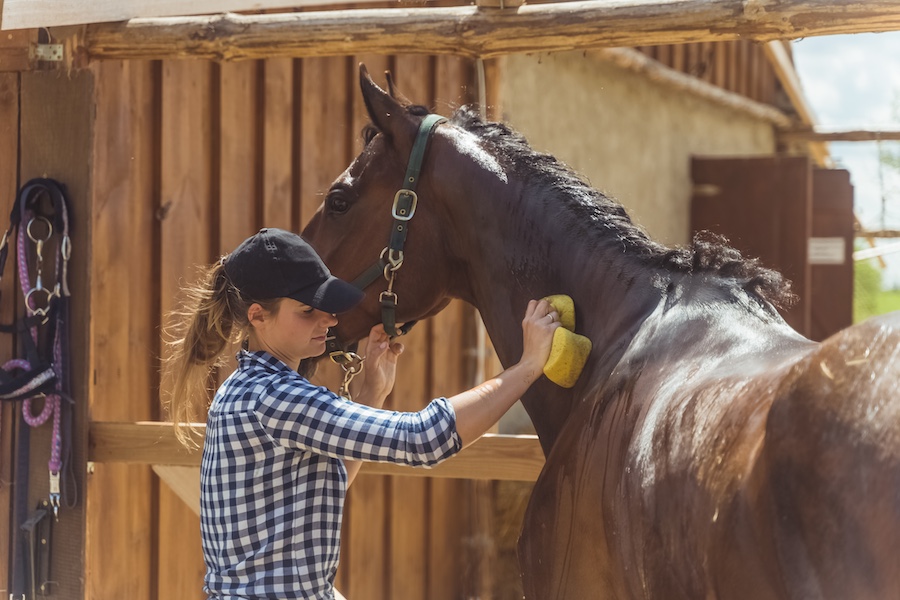
Woman caring for horse in stable.

Preventative Measures are Key to Protection

The Connecticut Department of Agriculture (CT DoAg) reminds the state’s horse and livestock community to take preventative measures to protect against mosquito-borne diseases this season, including West Nile virus (WNV) and eastern equine encephalitis (EEE). While Connecticut has not had any reported human or horse cases this season, the Connecticut Agricultural Experiment Station (CAES) confirmed detections of WNV-infected mosquitoes in Bridgeport and Stamford beginning in June. Additionally, earlier this week, a goat in Worcester County, Massachusetts, was infected with West Nile virus.

“Recent weather conditions, particularly heat and humidity, are creating an ideal environment for mosquito activity, which increases the need for preventative measures to protect animals and those caring for them,” said Agriculture Commissioner Bryan P. Hurlburt. “Now is the time to review health records and follow veterinary and medical guidance to safeguard the health of horses and people.”

EEE and WNV are both mosquito-borne diseases that affect horses, birds, and humans. Horses are the domestic animals most susceptible to infection from EEE and WNV; however, other animals such as llamas, alpacas, and goats can also be infected. The viruses cannot spread from animal to animal or from animal to human. They are viral diseases transmitted through mosquito bites. The risk for mosquito-borne diseases continues until the first hard freeze ends mosquito activity.

“We can’t stop mosquitoes, but we can mitigate exposure by applying proven control methods, including vaccines, which are highly effective in reducing the severity of symptoms and decreasing the likelihood of death in horses,” said State Veterinarian Dr. Thamus Morgan, DVM, MPH, DACVPM. “More frequent vaccination may be necessary for young or older horses, and sound stable management practices to reduce mosquito breeding sites are advised for all.”

Horse owners are encouraged to implement the following, in coordination with their veterinarian:

  • Administer the initial two-dose vaccine series, four to six weeks apart
  • Administer regular boosters at least annually
  • Consult with your veterinarian if boosters are needed every six months
  • Give vaccinations at least one month prior to mosquito season to develop protective immunity
  • Remove sources of standing water to eliminate mosquito breeding grounds
  • Clean and refill water troughs regularly
  • Apply fly sprays containing pyrethrin regularly

If your horse is showing neurologic signs, such as hyperexcitability, tremors, convulsions, paralysis, head tilt, head pressing, incoordination, drowsiness, recumbency, colic, or death, it’s important to call a veterinarian to determine a diagnosis and treatment.

If you suspect your horse may have EEE or WNV, contact your veterinarian immediately. They are both reportable diseases to the State Veterinarian at 860-713-2505. For more information on animals and animal health, visit the state website.

Visit the Connecticut Mosquito Management Program website for information on WNV and EEE, what can be done to prevent mosquito bites, the latest mosquito test results, and human infections.

Preventing Mosquito-Borne Illnesses in the Summer Months

man applying insect repellent to child

As the summer months bring warmth and outdoor activities, they also bring mosquitoes. These tiny insects are more than just a nuisance; they can transmit several serious illnesses. Understanding how to avoid mosquito bites, what to do if bitten, and recognizing the symptoms of mosquito-borne illnesses is crucial for enjoying a healthy summer.

Common Mosquito-Borne Illnesses in the U.S.

In the United States, several mosquito-borne illnesses are prevalent during the summer months. The most common include:

  1. West Nile Virus (WNV): The leading cause of mosquito-borne disease in the continental U.S. Most people infected with WNV do not develop symptoms, but about 1 in 5 will experience fever, headache, body aches, joint pains, vomiting, diarrhea, or rash. Severe cases can lead to neurological illness.
  2. Eastern Equine Encephalitis (EEE): Although rare, EEE is a serious illness. Symptoms typically appear 4-10 days after a bite and can include high fever, headache, irritability, restlessness, drowsiness, anorexia, vomiting, diarrhea, and seizures. Severe cases can lead to encephalitis (inflammation of the brain).
  3. Zika Virus: While primarily a concern in tropical regions, occasional cases in the U.S. have been reported. Symptoms are generally mild and include fever, rash, headache, joint pain, conjunctivitis (red eyes), and muscle pain.

How to Avoid Mosquito Bites

Preventing mosquito bites is the first line of defense against these illnesses. Here are some effective strategies:

  1. Use Insect Repellent: Apply insect repellents that contain DEET, picaridin, IR3535, oil of lemon eucalyptus, or para-menthane-diol. Follow the product instructions for proper application.
  2. Wear Protective Clothing: Long sleeves, long pants, and socks can help shield your skin from bites. Light-colored clothing is less attractive to mosquitoes.
  3. Install Screens: Ensure windows and doors are fitted with screens to keep mosquitoes outside. Repair any holes or tears promptly.
  4. Eliminate Standing Water: Mosquitoes lay eggs in standing water. Regularly empty water from flowerpots, gutters, buckets, pool covers, pet water dishes, and birdbaths.
  5. Use Mosquito Nets: In areas with high mosquito activity, consider using mosquito nets over beds or outdoor sitting areas.

What to Do if You Get a Mosquito Bite

Despite precautions, bites can still occur. Here’s how to manage them:

  1. Clean the Area: Wash the bite with soap and water to reduce the risk of infection.
  2. Apply an Ice Pack: This can help reduce swelling and numb the area, alleviating discomfort.
  3. Use Anti-Itch Creams: Over-the-counter creams containing hydrocortisone or calamine lotion can soothe itching. Antihistamines can also be effective.
  4. Avoid Scratching: Scratching can break the skin, leading to infection.

Recognizing Symptoms of Mosquito-Borne Illnesses

Being vigilant about symptoms is crucial for early detection and treatment. Here are common symptoms associated with mosquito-borne diseases:

  • Fever and Chills: Sudden onset of fever is common in many mosquito-borne illnesses.
  • Headache and Muscle Pain: These are typical symptoms of WNV, EEE, and Zika virus.
  • Rash: A rash can accompany Zika virus and WNV.
  • Neurological Symptoms: Severe headaches, stiff neck, confusion, and seizures can indicate serious conditions like EEE and severe WNV infection.
  • Joint Pain: Particularly in Zika virus cases.

When to Seek Medical Attention

If you experience any of the above symptoms, especially after being bitten by a mosquito, seek medical attention promptly. Early diagnosis and treatment are key to managing these illnesses effectively.

Mosquito Testing in Connecticut

Find out where mosquito testing is happening in Connecticut and the results of the testing by visiting the CT Agricultural Experiment Station.