Sun Safety: Protect Your Skin and Know the Warning Signs of Heat Illness

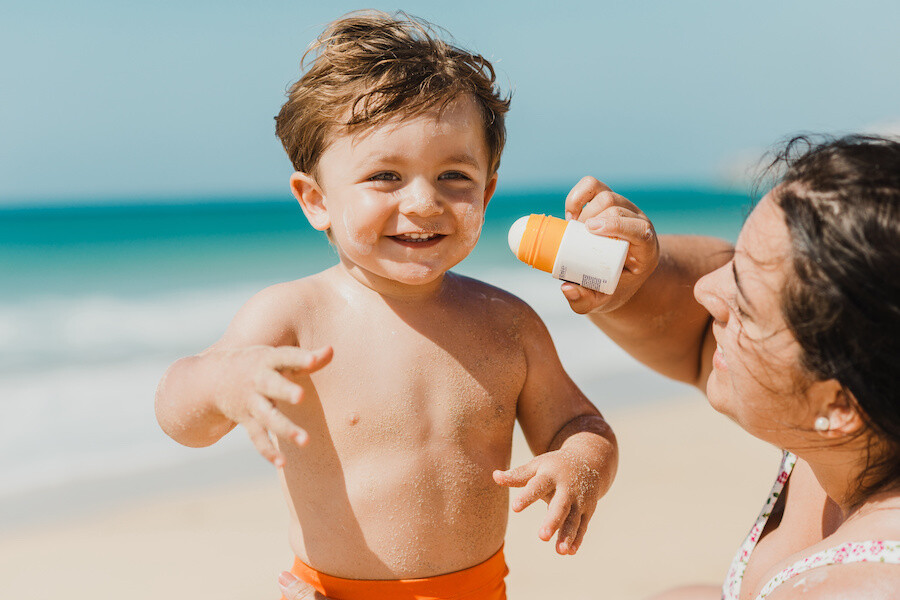
Mother applying sunscreen to child

Warm, sunny days are a welcome part of summer in Connecticut, but too much sun and heat can quickly become dangerous. Whether you are spending time at the beach, working outdoors, attending a community event, or enjoying your own backyard, taking sun safety seriously can help prevent sunburn, heat-related illness, and long-term skin damage.

Ultraviolet, or UV, rays from the sun can damage skin cells, even on cloudy or cooler days. According to the Centers for Disease Control and Prevention, most skin cancers are caused by too much exposure to UV light, and skin cancer is the most common cancer in the United States. UV rays are typically strongest at midday, making sun protection especially important between late morning and mid-afternoon.

Sunscreen Is Important — But It Is Not the Only Step

Sunscreen is one of the most effective tools for reducing sun damage, but it works best when used correctly and combined with other protective steps. The American Cancer Society recommends choosing a broad-spectrum sunscreen with an SPF of 30 or higher to help protect against harmful UV rays.

Apply sunscreen generously to all exposed skin before going outside, including easy-to-miss areas such as the ears, neck, hairline, the tops of the feet, and the lips. Sunscreen should be reapplied at least every two hours, and more often after swimming, sweating, or toweling off. The American Academy of Dermatology also emphasizes that sunscreen must be applied correctly to provide effective protection.

Other smart sun-safety steps include:

  • Seek shade, especially during late morning through mid-afternoon.
  • Wear a wide-brimmed hat that shades the face, ears, and neck.
  • Choose lightweight, tightly woven clothing or clothing labeled with UV protection.
  • Wear sunglasses that block UVA and UVB rays.
  • Check the UV Index before spending extended time outdoors.

The U.S. Environmental Protection Agency recommends sun protection when the UV Index is 3 or higher. At very high UV levels, extra protection is needed, especially during late morning through mid-afternoon.

Sunburns Are More Than Temporary Discomfort

A sunburn is a sign that the skin has been damaged by UV radiation. While redness, pain, peeling, and tenderness may fade after a few days, repeated sunburns can increase the risk of long-term skin damage and skin cancer.

Sunburn can also make it harder for the body to cool itself, which can contribute to dehydration and increase the risk of heat-related illness. If you do get sunburned, get out of the sun, drink water, cool the skin with a cool bath or damp cloth, and avoid further sun exposure while the skin heals.

Seek medical care if a sunburn causes severe blistering, fever, chills, dizziness, confusion, dehydration, or signs of infection.

Know the Warning Signs of Heat Exhaustion and Heat Stroke

Heat-related illness happens when the body cannot cool itself properly. During extreme heat or high humidity, sweating may not be enough to keep body temperature at a safe level. The Connecticut Department of Public Health notes that heat stress can range from mild conditions, such as heat rash or cramps, to more serious conditions, including heat exhaustion.

Warning signs of heat exhaustion may include:

  • Heavy sweating
  • Headache
  • Dizziness or faintness
  • Nausea or vomiting
  • Weakness or fatigue
  • Irritability
  • Thirst
  • Muscle cramps
  • Decreased urination

If heat exhaustion is suspected, move the person to a cooler place, loosen clothing, apply cool cloths, and encourage small sips of water. Seek medical attention if symptoms worsen or do not improve.

Heat stroke is a medical emergency. According to the CDC, symptoms may include confusion, slurred speech, loss of consciousness, seizures, very high body temperature, and hot, dry skin or heavy sweating. Call 911 immediately if heat stroke is suspected. While waiting for emergency help, move the person to a cooler area and begin cooling them with cool cloths, cold water, or other available methods.

Some are at Higher Risk for Heat Stroke

Anyone can be affected by sun exposure and extreme heat, but some people are more vulnerable, including older adults, infants and young children, pregnant people, outdoor workers, athletes, people with chronic health conditions, and people taking certain medications.

During hot weather, check on family members, neighbors, and others who may need help staying cool. Never leave children, adults, or pets in a parked car, even for a short time.

Protect Your Skin

Sun safety is not just for beach days. UV exposure adds up over time, and protection is important any time you are outdoors. Building simple habits — applying sunscreen, wearing protective clothing, seeking shade, staying hydrated, and recognizing warning signs — can help prevent painful sunburns, reduce the risk of heat illness, and protect long-term skin health.

Before heading outside, take a few minutes to plan ahead. A hat, water bottle, sunscreen, sunglasses, and shaded breaks can make a meaningful difference in keeping you and your family safe all summer long.

Fire Up the Grill: Your Guide to a Fun (and Safe) Memorial Day Weekend

person serving food from a backyard grill.

Memorial Day weekend – the unofficial kick-off to summer! The days are longer, the sun is hotter, and the smell of burgers sizzling on the grill fills the air. It’s a time for backyard cookouts, pool parties, and soaking up all the good vibes that come with warmer weather.

But before you dive headfirst into summer fun, let’s take a moment to talk safety. Because with all the excitement, it’s important to be mindful of a few things to keep your Memorial Day memorable for all the right reasons.


Grilling Savvy

  • Food Prep is Key: Keep raw meat separate from cooked food to avoid cross-contamination. Marinate beforehand in the fridge, not on the counter. And always use a food thermometer to ensure your burgers, chicken, and hot dogs reach the proper internal temperature.
  • Grill Master with Safety: Make sure your grill is clean and in good working order before firing it up. Keep a fire extinguisher handy in case of flare-ups, and never leave a hot grill unattended.

CDC Grill Safety Infographic


Poolside Paradise – with Caution

  • Adult Supervision: Whether it’s an inflatable kiddie pool or a backyard oasis, designate a responsible adult to keep an eye on swimmers, especially young children.
  • Safety First: Make sure your pool is properly fenced in and consider flotation devices for those who need them.

More Pool Safety Tips


Sunscreen – A Must

Don’t underestimate the sun’s power! Apply sunscreen (SPF 30 or higher) generously and reapply every two hours, especially after swimming or sweating.

More Sun Safety Tips


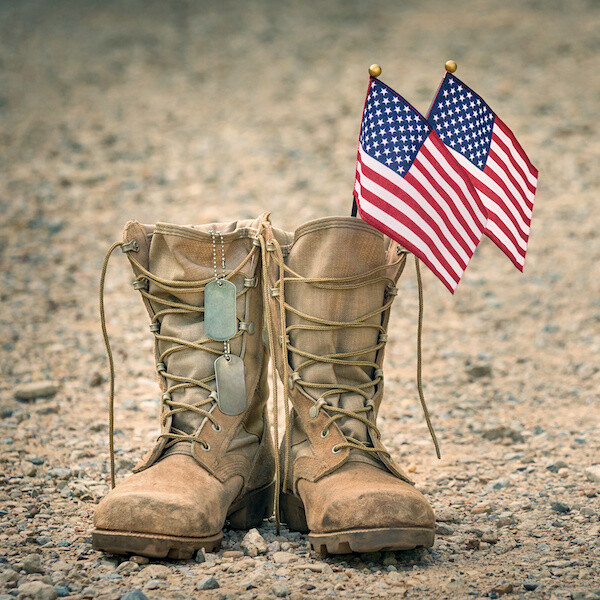
military boots with American flags

Responsible Alcohol Consumption

Memorial Day often involves barbeques and beers, but remember to pace yourself. Stay hydrated with water throughout the day, and designate a sober driver if you’re planning on having alcoholic drinks.


A Moment of Remembrance

While Memorial Day weekend is a time for celebration and summer fun, it’s important to remember the true meaning of the holiday. We pause to honor the brave men and women of the U.S. military who have died serving our country. Take a moment to attend a local ceremony, visit a veteran’s memorial, or simply have a conversation with a family member who has served.

Let’s make this Memorial Day weekend a celebration of life, liberty, and the heroes who made it possible. By keeping safety top of mind, we can ensure a fun-filled and respectful holiday for everyone.

Sun’s Out, Fun’s Out — But Let’s Keep Safety in Sight

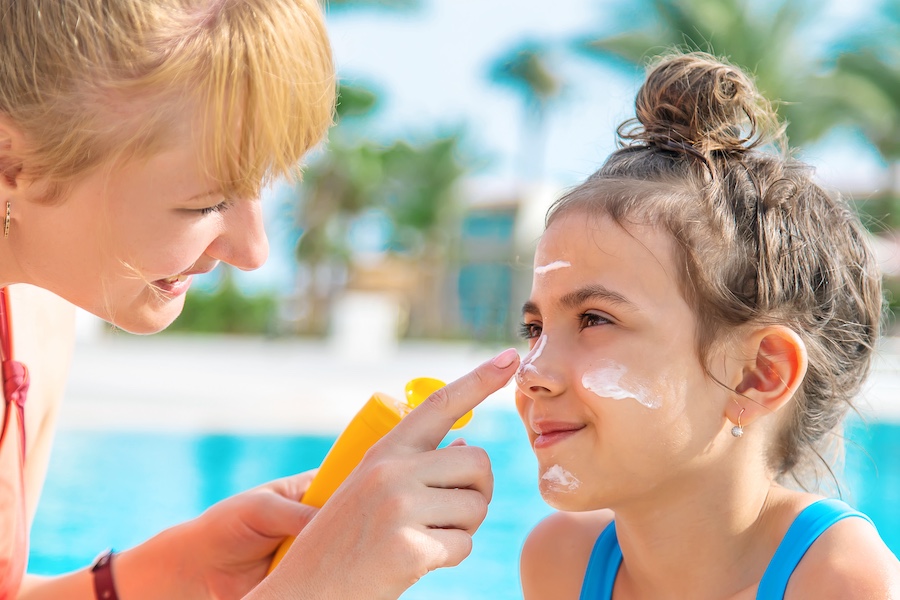
mom applying sunscreen to child

As the days lengthen and temperatures rise, many of us look forward to the joys of summer – spending time outdoors with loved ones, engaging in physical activity, and soaking up the sunshine. However, it’s important to remember that prolonged sun exposure can pose significant health risks.

Ultraviolet (UV) radiation from the sun is a major contributor to skin cancer, the most common form of cancer in the United States. The American Academy of Dermatology Association estimates that approximately 9,500 people in the U.S. are diagnosed with skin cancer every day. UV radiation can also lead to premature aging, cataracts, and other health problems.

Public health professionals strongly advocate for sun safety practices to minimize these risks and ensure a healthy summer for everyone.

Here are some key recommendations:

  • Sunscreen Application: Broad-spectrum sunscreen with a Sun Protection Factor (SPF) of 30 or higher is essential. Apply generously to all exposed skin 15 minutes before sun exposure and reapply every two hours or more frequently if swimming or sweating.

  • Seek Shade, Especially Midday: The sun’s rays are strongest between 10 am and 4 pm. Schedule outdoor activities for earlier or later hours, or utilize shade provided by trees, umbrellas, or pop-up tents.

  • Protective Clothing: Sun-protective clothing offers an effective barrier against UV rays. Look for tightly woven fabrics with an Ultraviolet Protection Factor (UPF) rating. Wide-brimmed hats that shade the face, ears, and neck are also recommended.

  • Hydration and Sun Safety Go Hand-in-Hand: Sun exposure increases the risk of dehydration. Drink plenty of water throughout the day, even if you don’t feel thirsty. Avoid excessive alcohol consumption, as it can worsen dehydration.

  • Be Aware of Individual Risk Factors: Individuals with fair skin, a history of sunburn, or a family history of skin cancer are at a higher risk for sun damage. These individuals should be particularly vigilant about sun safety measures.

By incorporating these practices into your summer routine, you can significantly reduce your risk of sun-related health problems and enjoy the outdoors safely. Public health professionals are committed to promoting sun safety awareness and encourage everyone to make informed choices to protect themselves and their families.