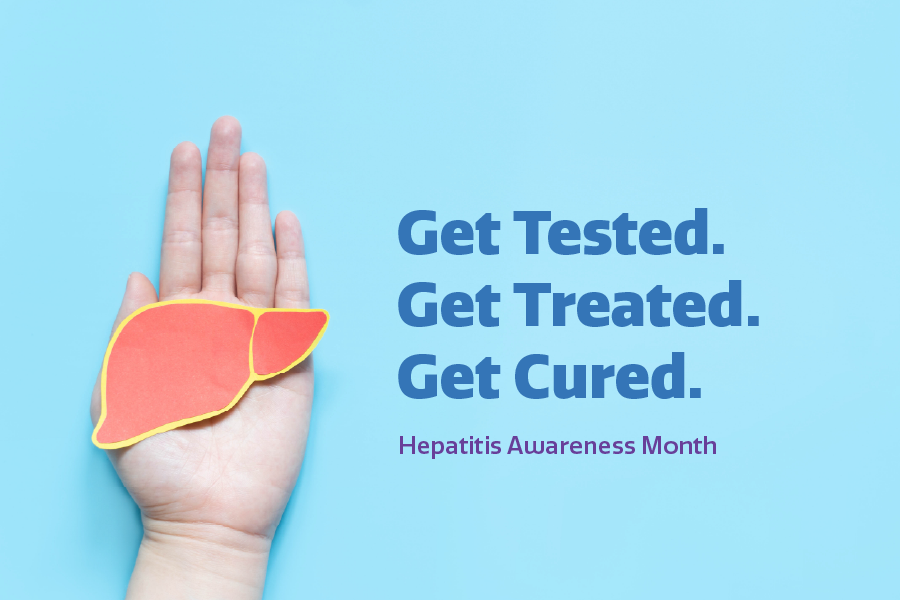

Each year on July 28, World Hepatitis Day raises awareness of viral hepatitis, and the steps individuals, healthcare providers, and communities can take to prevent infection and improve access to care.
The 2026 theme, “Hepatitis: Let’s Break It Down,” highlights the barriers—including limited awareness, stigma, and difficulty accessing services—that can prevent people from receiving testing and treatment. Viral hepatitis can lead to serious liver damage, cirrhosis, and liver cancer, but many infections can be prevented, managed, or cured.
Understanding Viral Hepatitis
Hepatitis is inflammation of the liver. It can have several causes, but viral hepatitis is caused by viruses identified as hepatitis A, B, C, D, and E. In the United States, public-health efforts commonly focus on hepatitis A, B, and C.
These viruses do not all spread in the same way:
- Hepatitis A generally spreads through close personal contact or contaminated food and beverages.
- Hepatitis B spreads through infected blood and certain bodily fluids. It can also pass from a pregnant person to their baby during birth.
- Hepatitis C is primarily spread through contact with infected blood.
Some people develop symptoms such as fatigue, nausea, abdominal discomfort, dark urine, or yellowing of the skin and eyes. Others experience no noticeable symptoms, especially during the early stages of hepatitis B or C. Testing may be the only way to know whether an infection is present.
The CDC’s ABCs of Viral Hepatitis provides additional information about the differences among hepatitis A, B, and C.
Prevention Starts With Vaccination and Safer Practices
Safe and effective vaccines are available to prevent hepatitis A and hepatitis B. There is currently no vaccine for hepatitis C.
The CDC recommends hepatitis B vaccination for all infants, unvaccinated children and adolescents, adults ages 19 through 59, and adults 60 and older who have risk factors or want protection. People should speak with a healthcare provider to determine whether they have completed the recommended hepatitis A and B vaccine series.
Additional preventive steps include:
- Washing hands thoroughly after using the bathroom or changing diapers and before preparing or eating food
- Never sharing needles, syringes, or other drug-injection equipment
- Making sure the equipment used for tattoos and piercings is sterile
- Avoiding the sharing of razors, toothbrushes, or other items that may contain small amounts of blood
- Using barriers such as condoms to reduce exposure to blood and bodily fluids
- Following standard safety precautions when handling blood
- Receiving appropriate prenatal testing and medical care during every pregnancy
Learn more through the CDC’s guidance on hepatitis A prevention and hepatitis B prevention.
Testing Is Important — even Without Symptoms
Chronic hepatitis B and hepatitis C can remain unnoticed for years while gradually damaging the liver. Early diagnosis allows people to receive medical care, protect their liver health and reduce the chance of passing an infection to someone else.
The CDC recommends hepatitis C screening at least once for all adults ages 18 and older and during every pregnancy. People with ongoing risk factors may need periodic testing.
The CDC also recommends that all adults ages 18 and older receive hepatitis B screening at least once in their lifetime. Testing is also recommended during each pregnancy and may be needed periodically for people with a continued risk of exposure.
People should speak with a healthcare provider about testing if they:
- Have ever injected drugs, even once or many years ago
- Have shared needles or other drug-use equipment
- Have HIV or another condition that affects the immune system
- Have received dialysis
- Have abnormal liver test results or liver disease
- May have been exposed to another person’s blood
- Were born in or have lived in an area where hepatitis B is common
- Are pregnant or planning a pregnancy
- Are unsure whether they have previously been tested
The Connecticut Department of Public Health Viral Hepatitis Program provides information about hepatitis, Connecticut resources, and testing services. The CDC also offers an online tool to find hepatitis testing and vaccination services.
Effective Treatment Is Available
Treatment depends on the type of hepatitis.
There is no specific antiviral treatment for most cases of hepatitis A, but people typically recover with appropriate medical monitoring, rest, fluids, and nutrition.
Hepatitis B can be either a short-term or chronic infection. Although chronic hepatitis B is not usually cured, antiviral medications and ongoing medical care can suppress the virus, reduce liver damage, and lower the risk of serious complications.
Hepatitis C can now be cured in most people. According to the CDC’s hepatitis C treatment guidance, oral direct-acting antiviral medications cure more than 95% of cases, often within eight to 12 weeks.
Anyone who receives a positive hepatitis test should speak with a qualified healthcare provider about confirmatory testing, treatment, and ongoing liver care. People should not delay seeking care because they feel well; treatment is often most effective before serious liver damage develops.
Take Action This World Hepatitis Day
World Hepatitis Day is an opportunity to replace uncertainty and stigma with accurate information and action. Check your vaccination history, talk with a healthcare provider about hepatitis B and C screening, and encourage friends and family members to do the same.
Prevention, testing, and timely treatment protect individual health while helping reduce the spread of viral hepatitis throughout the community.