
Environmental health begins at home. The systems and materials we rely on every day — private wells, septic systems, household products, and older housing materials — can affect health and safety when they are not properly maintained or managed. In Eastern Connecticut, where many homes rely on private wells and septic systems and older housing remains common, prevention and routine maintenance are essential for protecting your household.
Private Wells Require Ongoing Attention
For households served by a private well, water quality should never be assumed. As noted in the Uncas Health District’s well water information, regular testing is important because water quality can change over time, and appearance alone does not indicate whether water is safe. Annual testing, as well as additional follow-up after flooding, repairs, or noticeable changes in taste, odor, or appearance, can help identify concerns before they become health risks.
In southeastern Connecticut, well owners should also be aware of local conditions that may affect groundwater quality. Flooding, stormwater intrusion, runoff, impacts from nearby septic systems, and certain historic or current land uses can all affect private well safety.
PFAS and Emerging Water Quality Concerns
One emerging issue for private well owners is PFAS, a group of chemicals that persist in the environment and may affect drinking water sources. The Connecticut Institute of Water Resources at UConn provides helpful information about PFAS testing, why these substances are a concern, and when testing may be appropriate for private wells. Staying informed about groundwater risks is an important step in protecting household water quality.
Septic Systems Are Part of Home Environmental Health
Septic systems are another important part of home environmental health. When properly maintained, they help safely manage wastewater and protect groundwater quality. When neglected, they can contribute to contamination and create both environmental and public health concerns. Routine inspections, pumping as needed, water conservation, and proper disposal practices all play an important role in keeping a septic system functioning effectively.
Everyday Household Habits Matter
Environmental health also includes the choices made inside the home every day. Improperly disposing of grease, chemicals, medications, or non-flushable products can damage septic systems and introduce hazards into the home environment. Small steps—such as using household chemicals carefully, storing hazardous products safely, and avoiding improper disposal—can help reduce risks and protect both indoor and outdoor environmental health.
Lead Safety in Older Homes
Lead safety is another critical part of maintaining a healthy home, particularly in older housing. Connecticut’s Lead Poisoning Prevention and Control Program provides important guidance to residents on the dangers of lead exposure and the steps they can take to prevent it. Lead remains a serious health concern, especially for young children and pregnant individuals, and there is no safe level of lead exposure.
Older homes are especially important to monitor because lead-based paint was commonly used before 1978. As painted surfaces deteriorate—or are disturbed during repair or renovation—lead dust can be released into the home. Windows, doors, trim, porches, and other high-friction surfaces can be common sources of exposure. The state’s lead prevention program offers resources for homeowners, families, and contractors to help identify hazards and reduce exposure.
Renovations Can Increase Risk
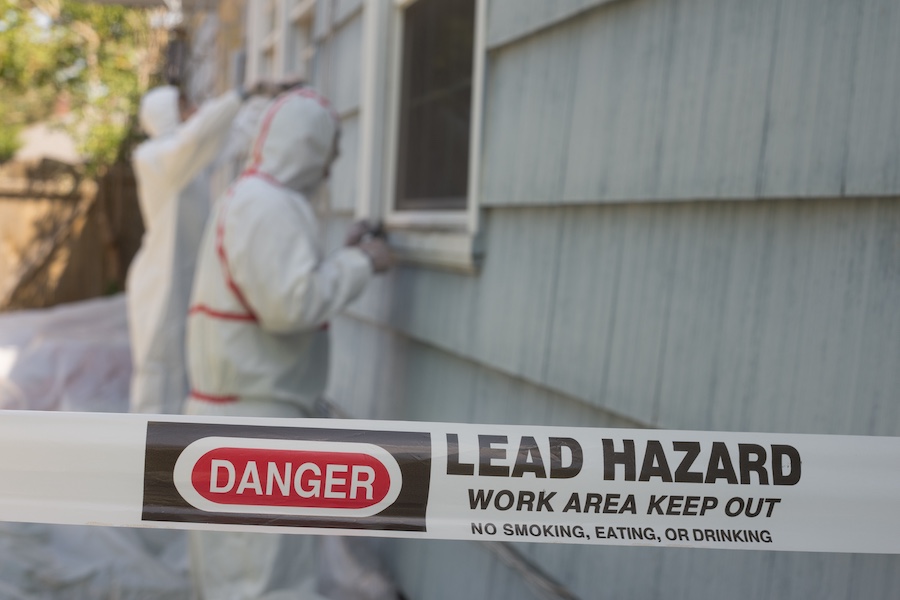
Renovation work in older homes should be approached carefully. Sanding, scraping, demolition, and window replacement can all disturb lead-based paint if proper precautions are not taken. Using lead-safe work practices and qualified professionals can help reduce the spread of hazardous dust and keep household members safer during home improvement projects. Homeowners planning work on pre-1978 housing should review the state’s lead safety and prevention guidance before beginning a project.
Prevention Starts at Home
Residents are encouraged to think of environmental health as an ongoing part of home maintenance rather than something addressed only when a problem arises. Annual well testing, awareness of PFAS and groundwater risks, regular septic maintenance, safer handling of household products, and lead-safe renovation practices can all help reduce preventable hazards at home.
Protecting health at home often begins with awareness. By staying informed and taking preventive steps, households can help safeguard their drinking water, living environment, and long-term well-being. For more information, residents can learn more about PFAS testing through UConn’s Connecticut Institute of Water Resources and access the state’s Lead Poisoning Prevention and Control Program.
