Flu Vaccines: Protect Yourself and Your Loved Ones

As December approaches, we are entering the heart of flu season. The flu can have serious consequences, especially for individuals at higher risk, including children, older adults, and those with certain health conditions. National Influenza Vaccination Week (NIVW), observed from December 2-6, serves as an important reminder that it’s not too late to protect yourself and your loved ones by getting your flu vaccine.

Why the Flu Vaccine Matters

Every year, millions of people in the U.S. get sick with the flu. For many, the illness can lead to complications requiring hospitalization or, worse, be life-threatening. Vaccination is the best defense against flu-related illness. The flu vaccine significantly reduces your risk of getting the flu and can also lessen the severity of symptoms if you do get sick. Importantly, it protects those around you, including infants who are too young to be vaccinated and others who may be more vulnerable.

Unfortunately, flu vaccination coverage was lower last season, particularly among children and other high-risk groups. This year, it’s critical to ensure as many people as possible are protected, and National Influenza Vaccination Week is a timely opportunity to act.

Wild to Mild

Uncas Health District Has Flu Vaccines

Flu Shots are available through Uncas Health District. Vaccines are available through our Mobile Health Team or by appointment. To schedule, simply call 860-823-1189

There are still plenty of vaccine doses available, and flu shots are free for individuals with the following insurance plans:

  • Anthem BC/BS
  • Cigna
  • ConnectiCare
  • Medicare
  • TriCare
  • UnitedHealthCare

Thanks to a donation, individuals without insurance or with other insurance can also receive their flu vaccine at no cost this season. Normally, the standard-dose flu vaccine costs $20, and the high-dose flu vaccine is $65 for those without insurance.

Who Should Get the Flu Vaccine?

The Centers for Disease Control and Prevention (CDC) recommends flu vaccination for everyone aged 6 months and older. It’s especially important for individuals in high-risk groups, including:

  • Pregnant people
  • Young children (especially those under 5)
  • Adults 65 and older
  • Individuals with chronic medical conditions (e.g., asthma, diabetes, heart disease)

Take Action Against the Flu

The flu vaccine is your first and most important step in protecting yourself and your loved ones from the flu. With the holiday season in full swing, don’t wait—get vaccinated today. If you’re ready to take action, contact the Uncas Health District for your appointment or visit their Mobile Health Team at a location near you.

Let’s all do our part to keep our community healthy this flu season. Protect yourself, protect your loved ones—get your flu vaccine today!

The Great American Smokeout 2024 — November 21

Man breaking cigarette

Every year, on the third Thursday in November, the American Cancer Society (ACS) organizes the Great American Smokeout, a nationwide event that encourages and supports people in quitting tobacco. This year, on November 21, 2024, people across the country are invited to take a crucial first step toward breaking free from tobacco addiction. Whether it’s cigarettes, vaping, or other tobacco products, quitting can significantly improve your health and reduce your risk for serious diseases, including heart disease, lung disease, and cancer.

The Great American Smokeout provides encouragement, resources, and a strong community of support to help people quit. The ACS offers practical tools and personalized guidance, including tips for managing cravings and developing a quit plan. With the right support, quitting tobacco is achievable, and each small step leads toward a healthier, smoke-free life.

Additionally, Uncas Health District offers programs and resources tailored to help individuals quit tobacco, making it easier to begin the journey and stay on track.

If you or someone you know is ready to quit, consider joining the Great American Smokeout on November 21 and taking advantage of the resources available through Uncas Health District. Visit the ACS website or contact Uncas Health District for more information on programs that can help you make this important life change.

Public Water Systems Contacting CT Residents About Service Line Materials

Woman filling a glass with tap water

The Connecticut Department of Public Health (DPH) is notifying Connecticut residents who use public water systems for their drinking water that they will receive a notification from the public water system if their service lines are made of lead, galvanized (coated with a protective layer of zinc), requiring replacement, or are made of an unknown material.

If the service line is not in one of these categories, residents will not receive a notification from their water supplier. The service line is the pipe that carries water from the water supply main in the street to a home and/or building structure.

“I applaud the EPA and public water systems for taking these unprecedented steps to protect our communities from exposure to lead and other dangers in our drinking water,” said DPH Commissioner Manisha Juthani, MD. “These rule changes from the EPA and the funding to implement them are vital to protect the public health of our
communities.”

Public water systems are required to notify all customers with lead, galvanized requiring replacement, or unknown material in their service lines and repeat the notice on an annual basis until the service line has been replaced.

The communication that water companies are sending to their customers includes:

  • Information about the material used in the water service line
  • An explanation of the health risks associated with these hazardous materials
  • Simple steps to reduce exposure
  • Information on the plan to replace lead, galvanized requiring replacement, or unknown material service lines
  • Information about opportunities to verify the material of the service line, if the material is unknown

To support communities in identifying and replacing lead and galvanized requiring replacement service lines, public water systems are encouraged to apply for assistance through the Drinking Water State Revolving Funds (DWSRF) Program, funded by the Bipartisan Infrastructure Law (BIL). Eligible projects include inventorying and replacing service lines from the public water main to customers’ plumbing.

For residents who have received a notification about your service line material, please contact your water company for more information to learn how they can replace or identify the material of your water line and find out how to test your water for lead. For more information about how to protect the rest of your home from lead, please visit
www.leadfreect.org

Winter’s Approaching — A Guide for Staying Healthy, Safe, and Prepared

HVAC Technician Inspecting Furnace in Dimly Lit Basement

As the seasons shift and temperatures decline, it is important to address the health and safety challenges that accompany the colder winter months. From managing increased risks of infectious diseases to safeguarding homes against potential hazards, proactive measures can significantly enhance well-being and security. This comprehensive guide outlines essential considerations to maintain health and safety as winter approaches.

Mitigating Risks During Flu Season

The onset of winter heralds the beginning of flu season, necessitating vigilant health precautions to minimize the spread of influenza and other respiratory illnesses.

  • Timely Immunizations: Securing vaccinations is a primary defense against influenza. It is advised to receive the flu vaccine by September or October to ensure optimal immunity before peak transmission periods. Additionally, other relevant immunizations, such as COVID-19 boosters and the pneumonia vaccine, should be considered to bolster protection against respiratory pathogens.
  • Hygiene Practices: Adhering to stringent hygiene protocols—regular hand washing with soap and water, using hand sanitizers, and practicing respiratory etiquette by covering coughs and sneezes—can effectively reduce infection rates.
  • Awareness of Symptoms: Recognizing the signs and symptoms of influenza, Respiratory Syncytial Virus (RSV), and COVID-19 facilitates timely medical intervention and prevents further transmission within communities.

Maintaining Heating Systems and Chimneys

Effective heating is essential for comfort and safety during winter, but improperly maintained heating systems and chimneys can pose significant risks, including fire hazards and carbon monoxide (CO) poisoning.

  • Routine Inspections: Schedule professional inspections of heating systems, including furnaces, fireplaces, and space heaters, prior to the winter season. Regular maintenance ensures the efficient and safe operation of these devices, mitigating the risk of malfunctions or overheating.
  • Chimney Cleaning: Annual cleaning of chimneys and ventilation systems by certified technicians is important to remove soot, creosote buildup, and debris. This practice not only enhances heating efficiency but also prevents chimney fires and CO accumulation.
  • Carbon Monoxide Detectors: Install CO detectors in key areas of the home, such as near sleeping quarters and heating appliances. Regularly test these devices to ensure their functionality, providing an essential safeguard against invisible and potentially lethal CO exposure.

Preparing for Severe Winter Weather

Winter storms characterized by snow, ice, and extreme cold can disrupt daily life and pose significant safety threats. Comprehensive preparedness strategies can mitigate the impact of such events.

  • Emergency Supplies: Assemble a winter emergency kit containing essential items such as flashlights, batteries, warm blankets, non-perishable food, and bottled water. Include a first aid kit and necessary prescription medications to address unforeseen circumstances.
  • Power Outage Plans: Develop contingency plans for potential power outages, including alternative heating sources and access to local warming centers. Ensure that electronic devices, particularly communication tools like cell phones, are adequately charged and consider procuring backup power solutions such as portable chargers.
  • Vehicle Preparedness: Equip vehicles with winter essentials, including appropriate tires, a full gas tank, ice scrapers, blankets, non-perishable snacks, water, and jumper cables. Regular vehicle maintenance ensures reliability and safety during adverse driving conditions.

Supporting Mental Health During Winter

The reduced daylight and increased isolation during winter months can adversely affect mental health, leading to conditions such as Seasonal Affective Disorder (SAD) and other forms of depression.

  • Access to Resources: Individuals experiencing mental health challenges should be aware of available support services. Resources such as WeAreCT.org offer comprehensive resources and assistance for those in crisis. Additionally, numerous programs and support networks provide counseling, crisis intervention, and community support to individuals grappling with mental health issues.
  • Social Connectivity: Maintaining regular contact with family, friends, and community groups can provide essential emotional support and reduce feelings of isolation. Engaging in social activities, whether in-person or virtual, fosters a sense of belonging and resilience.

Preventing Slips and Falls

Icy and snowy conditions significantly increase the risk of slips and falls, particularly among the elderly population. Implementing preventive measures can reduce the incidence of related injuries.

  • De-icing Walkways: Apply salt, sand, or commercial ice melt products to sidewalks, driveways, and entryways to enhance traction and minimize slip hazards.
  • Appropriate Footwear: Encourage the use of footwear with non-slip soles and adequate traction to navigate icy surfaces safely.
  • Cautious Mobility: Advise individuals to take deliberate, measured steps, utilize handrails where available, and exercise caution when traversing potentially hazardous areas.

The transition to colder weather demands a multifaceted approach to health and safety. By prioritizing immunizations, maintaining heating systems, preparing for severe weather, supporting mental health, and preventing slips and falls, individuals and families can navigate the winter months with confidence and security. Proactive planning and awareness are key to ensuring a safe and healthy winter season.

Food Safety Tips for Thanksgiving Dinner and Leftovers

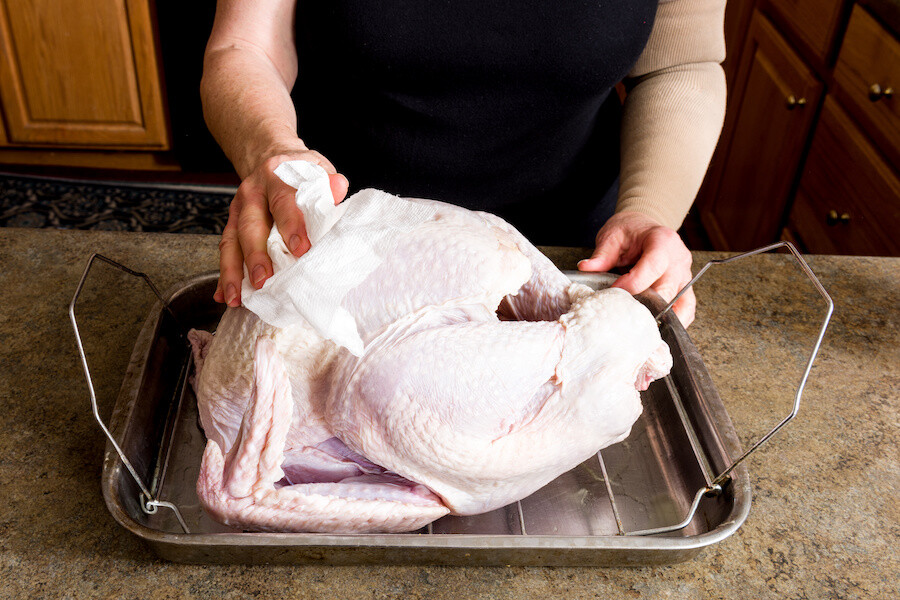
woman prepares a turkey

Thanksgiving is a time for family, friends, and, of course, food. However, with all the excitement of the holiday, it’s important to remember food safety practices to make sure everyone has a safe and enjoyable meal.

According to the Centers for Disease Control and Prevention (CDC), food-borne illnesses are a common and significant public health problem in the United States. Each year, an estimated 48 million Americans get sick, 128,000 are hospitalized, and 3,000 die from foodborne diseases.

Foodborne Illness Prevention is Key

The good news is that food-borne illnesses can be prevented by following proper food safety practices. Here are some key tips to keep in mind when preparing and serving Thanksgiving dinner:

Clean

  • Wash your hands thoroughly with soap and water for at least 20 seconds before and after handling raw meat, poultry, or seafood.

  • Wash all produce under running water, even if you plan to peel it.

  • Clean and sanitize all surfaces that will come into contact with food, such as countertops, cutting boards, and utensils.

Separate

  • Keep raw meat, poultry, and seafood separate from other foods to prevent cross-contamination.

  • Use different cutting boards for raw meat, poultry, seafood, and produce.

Cook

  • Cook all meat, poultry, and seafood to the proper internal temperature. Use a food thermometer to check for doneness.

  • The safe internal temperatures are:

    • Ground meats: 160°F

    • Ground poultry: 165°F

    • Whole poultry: 165°F (breast, thigh, and stuffing)

    • Beef, pork, lamb, and veal steaks, chops, and roasts: 145°F with a 3-minute rest

    • Seafood: 145°F

Chill

  • Refrigerate leftovers promptly within two hours of cooking.

  • Store leftovers in shallow containers to allow them to cool quickly.

  • Cover leftovers tightly to prevent them from drying out or absorbing odors.

Storing + Reheating Leftovers Leftovers

Proper storage of leftovers is essential to prevent food-borne illnesses. Here are some guidelines for storing Thanksgiving leftovers:

  • Turkey: Cooked turkey can be stored in the refrigerator for up to 3-4 days.

  • Stuffing: Cooked stuffing can be stored in the refrigerator for up to 3-4 days.

  • Mashed potatoes: Mashed potatoes can be stored in the refrigerator for up to 3-4 days.

  • Gravy: Gravy can be stored in the refrigerator for up to 2-3 days.

  • Desserts: Pies and cakes can be stored in the refrigerator for up to 3-4 days.

When reheating leftovers, it’s important to ensure they reach a safe internal temperature of 165°F. Use a food thermometer to check for doneness.

Freezing Leftovers

For longer storage, leftovers can be frozen. Here are some guidelines for freezing Thanksgiving leftovers:

  • Turkey: Cooked turkey can be frozen for up to 2-3 months.

  • Stuffing: Cooked stuffing can be frozen for up to 1-2 months.

  • Mashed potatoes: Mashed potatoes can be frozen for up to 1-2 months.

  • Gravy: Gravy can be frozen for up to 2-3 months.

  • Desserts: Pies and cakes can be frozen for up to 2-3 months.

By following these simple food safety guidelines, you can serve a Thanksgiving dinner that is not only delicious but also safe for everyone to enjoy.