
What to Do If You Spot a Potentially Rabies-Infected Animal

fox in the middle of a road

Rabies is a serious viral disease that affects the nervous system of mammals, including humans. In the U.S., the risk of humans contracting rabies is relatively low. However, it’s essential to be aware of the signs of rabies in animals, how to prevent exposure, and what to do if you think you may have been exposed. Understanding how to identify a potentially rabies-infected animal and knowing the appropriate actions to take can save lives.

Identifying a Potentially Rabies-Infected Animal

Rabies is most commonly transmitted through the bite of an infected animal. Knowing how to spot a potentially rabies-infected animal can help prevent exposure. Here are some signs to look out for:

  • Behavioral Changes: An infected animal might exhibit uncharacteristic behavior such as aggression, excessive drooling, or appearing unusually tame or fearless.

  • Physical Symptoms: Animals with rabies may have difficulty swallowing, experience paralysis, or show signs of disorientation.

  • Nocturnal Animals Active During Daytime: Animals like raccoons, bats, skunks, and foxes that are typically nocturnal may be seen active during the day if they are rabid.

What to Do If You Spot a Potentially Rabies-Infected Animal

If you encounter an animal that you suspect may have rabies, follow these steps:

  1. Do Not Approach: Maintain a safe distance. Do not try to touch or capture the animal.

  2. Secure Your Pets and Livestock: Keep them indoors or in a secure area away from the suspected rabid animal.

  3. Notify Authorities: Contact local animal control or public health officials. Provide details about the animal’s location and behavior.

Downloadable Rabies Brochure

Protecting Yourself from Rabies

  • Vaccinate pets: Ensure your dogs, cats, and other pets are up-to-date on their rabies vaccinations.

  • Avoid wild animals: Do not handle or feed wild animals.

  • Supervise children: Teach children never to approach or touch unfamiliar animals.

  • Seek medical attention promptly: If you are bitten or scratched by any animal, wash the wound thoroughly with soap and water and seek immediate medical attention.

Rabies Statistics: U.S. and Connecticut

Rabies remains a public health concern in the United States. Here are some statistics to provide context:

  • United States: Human rabies cases are considered rare in the U.S., with fewer than 10 cases reported each year.

  • United States: Each year, approximately 5,000 animal rabies cases are reported nationwide. Most of these cases occur in wildlife, including bats, raccoons, skunks, and foxes.

  • Connecticut: Between 25 and 100 animal rabies cases are reported annually in Connecticut. Bats are the most common carriers, followed by raccoons and skunks.
 

State Reports First Positive Mosquitoes for EEE Virus in Eastern Connecticut

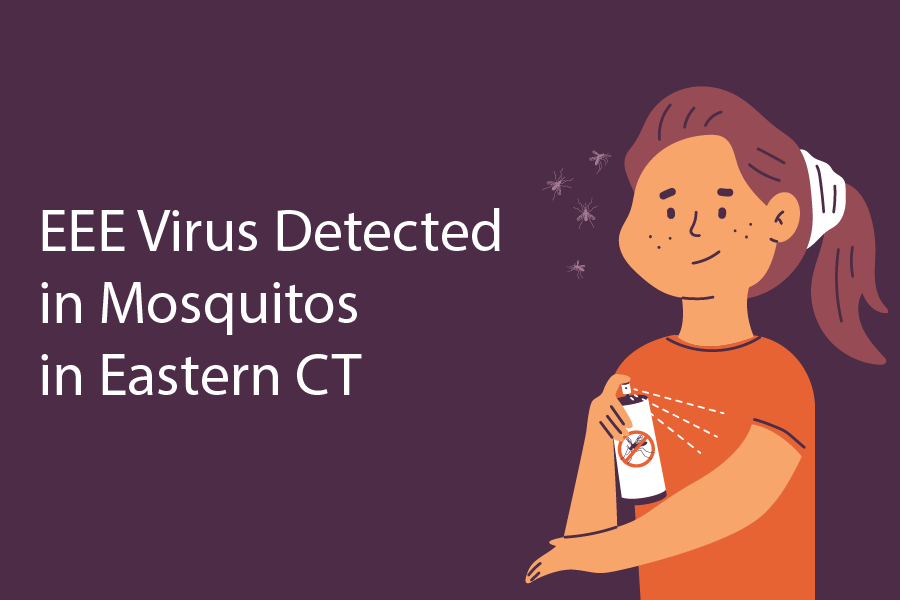
The State of Connecticut Mosquito Management Program (MMP) announced that mosquitoes trapped in Canterbury on July 16 tested positive for eastern equine encephalitis (EEE) virus. These results represent the first EEE positive mosquitoes identified in the state by The Connecticut Agricultural Experiment Station (CAES) this year. The mosquitoes were Culiseta melanura, a predominately bird-biting species and Coquillettidia perturbans, a species that feeds opportunistically on both birds and mammals. West Nile virus (WNV) has also been detected in mosquitoes in 12 towns throughout the State. Connecticut residents are reminded to protect themselves from mosquito bites and mosquito-borne diseases.

“The detection of EEE virus in July is reason for concern as conditions are suitable for further build-up and spread of the virus in the coming weeks and months” said Dr. Philip Armstrong, Chief Scientist at CAES. “We are also detecting the virus in mosquitoes that feed on mammals which increases the risk for human infection. We will continue to closely monitor mosquitoes for virus amplification and encourage everyone to take simple measures such as wearing mosquito repellent and covering bare skin, especially during dusk and dawn when mosquitoes are most active.”

To reduce the risk of being bitten by mosquitoes, residents should:

  • Minimize time spent outdoors between dusk and dawn when mosquitoes are most active.
  • Consider the use of mosquito repellents containing an EPA-registered active ingredient, including DEET, Picaridin, IR3535, oil of lemon eucalyptus, para-methane-diol (PMD), or 2-undecanone when it is necessary to be outdoors.
  • Wear shoes, socks, long pants, and a long-sleeved shirt when outdoors for long periods of time, or when mosquitoes are more active. Clothing should be light-colored and loose-fitting and made of tightly woven materials that keep mosquitoes away from the skin.
  • Be sure door and window screens are tight-fitting and in good repair.
  • Use mosquito netting when sleeping outdoors or in an unscreened structure and to protect infants when outdoors.

EEE is a rare but serious illness in humans with 4-8 cases reported in a typical year in the U.S. The last major outbreak occurred in 2019, involving 38 human cases nationally with 19 cases occurring in New England. EEE is the most severe mosquito-transmitted disease in the U.S. with approximately 40 percent mortality and
significant brain damage in half of survivors.

Connecticut Mosquito Management Program

The response to mosquito transmitted diseases in Connecticut is a collaborative inter-agency effort involving the Department of Energy and Environmental Protection (DEEP), The Connecticut Agricultural Experiment Station (CAES), the Department of Public Health (DPH), the Department of Agriculture, and the Department of Pathobiology at the University of Connecticut (UCONN). These agencies are responsible for monitoring mosquito populations and the potential public health threat of mosquito-borne diseases.

The CAES maintains a network of 108 mosquito-trapping stations in 88 municipalities throughout the state. CAES begins mosquito trapping and testing in June and continues into October. Positive findings are reported to local health departments and on the CAES website at https://portal.ct.gov/caes.

For information on EEE, WNV and other mosquito-borne diseases, what can be done to prevent getting bitten by mosquitoes, the latest mosquito test results, and human infections, visit the Connecticut Mosquito Management Program web site at https://portal.ct.gov/mosquito.

Read More on Preventing Mosquito-Borne Illnesses

Tick Bite Bot: Interactive Tool Kit for Tick Bites Now on Uncas HD Website

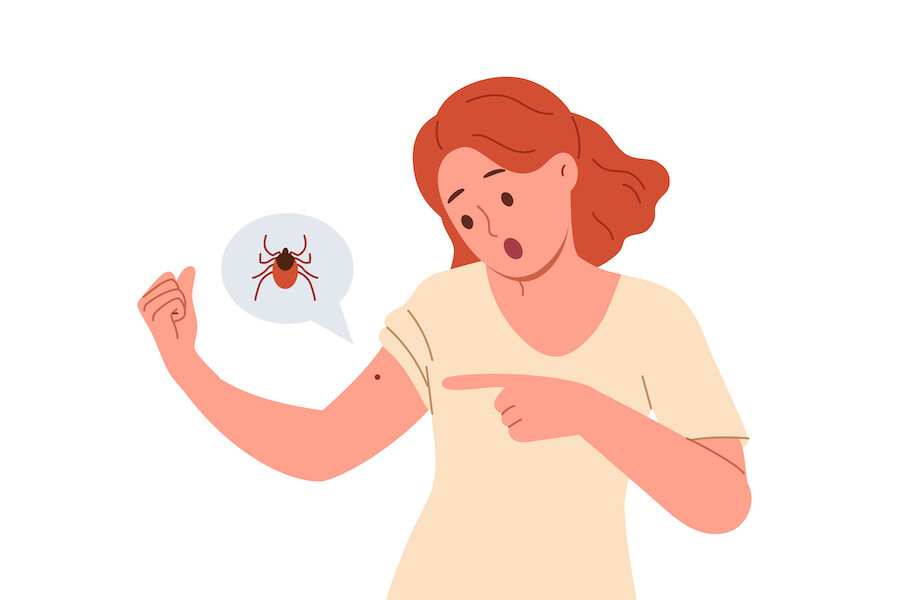
woman with tick bite

We are excited to announce a new feature on the Uncas Health District website — a cutting-edge interactive tick bite management tool provided by the Centers for Disease Control and Prevention (CDC). This tool is designed to help you assess tick bites and provide clear, step-by-step instructions for safely removing ticks and taking appropriate actions afterward.

Ticks can be a serious health concern, potentially transmitting diseases such as Lyme disease and anaplasmosis. With the CDC’s interactive tool, you can quickly evaluate any tick bite you or a loved one may experience. The tool will guide you through the process of identifying the type of tick, understanding the potential risks, and following the recommended procedures for removal.

Once the tick is removed, the tool will also offer crucial information on what to do next, including monitoring for symptoms of tick-borne illnesses and seeking medical attention if necessary. This ensures that you are well-informed and prepared to take the appropriate steps to protect your health.

Take Me to the Tick Bite Bot

Preventing Mosquito-Borne Illnesses in the Summer Months

man applying insect repellent to child

As the summer months bring warmth and outdoor activities, they also bring mosquitoes. These tiny insects are more than just a nuisance; they can transmit several serious illnesses. Understanding how to avoid mosquito bites, what to do if bitten, and recognizing the symptoms of mosquito-borne illnesses is crucial for enjoying a healthy summer.

Common Mosquito-Borne Illnesses in the U.S.

In the United States, several mosquito-borne illnesses are prevalent during the summer months. The most common include:

  1. West Nile Virus (WNV): The leading cause of mosquito-borne disease in the continental U.S. Most people infected with WNV do not develop symptoms, but about 1 in 5 will experience fever, headache, body aches, joint pains, vomiting, diarrhea, or rash. Severe cases can lead to neurological illness.
  2. Eastern Equine Encephalitis (EEE): Although rare, EEE is a serious illness. Symptoms typically appear 4-10 days after a bite and can include high fever, headache, irritability, restlessness, drowsiness, anorexia, vomiting, diarrhea, and seizures. Severe cases can lead to encephalitis (inflammation of the brain).
  3. Zika Virus: While primarily a concern in tropical regions, occasional cases in the U.S. have been reported. Symptoms are generally mild and include fever, rash, headache, joint pain, conjunctivitis (red eyes), and muscle pain.

How to Avoid Mosquito Bites

Preventing mosquito bites is the first line of defense against these illnesses. Here are some effective strategies:

  1. Use Insect Repellent: Apply insect repellents that contain DEET, picaridin, IR3535, oil of lemon eucalyptus, or para-menthane-diol. Follow the product instructions for proper application.
  2. Wear Protective Clothing: Long sleeves, long pants, and socks can help shield your skin from bites. Light-colored clothing is less attractive to mosquitoes.
  3. Install Screens: Ensure windows and doors are fitted with screens to keep mosquitoes outside. Repair any holes or tears promptly.
  4. Eliminate Standing Water: Mosquitoes lay eggs in standing water. Regularly empty water from flowerpots, gutters, buckets, pool covers, pet water dishes, and birdbaths.
  5. Use Mosquito Nets: In areas with high mosquito activity, consider using mosquito nets over beds or outdoor sitting areas.

What to Do if You Get a Mosquito Bite

Despite precautions, bites can still occur. Here’s how to manage them:

  1. Clean the Area: Wash the bite with soap and water to reduce the risk of infection.
  2. Apply an Ice Pack: This can help reduce swelling and numb the area, alleviating discomfort.
  3. Use Anti-Itch Creams: Over-the-counter creams containing hydrocortisone or calamine lotion can soothe itching. Antihistamines can also be effective.
  4. Avoid Scratching: Scratching can break the skin, leading to infection.

Recognizing Symptoms of Mosquito-Borne Illnesses

Being vigilant about symptoms is crucial for early detection and treatment. Here are common symptoms associated with mosquito-borne diseases:

  • Fever and Chills: Sudden onset of fever is common in many mosquito-borne illnesses.
  • Headache and Muscle Pain: These are typical symptoms of WNV, EEE, and Zika virus.
  • Rash: A rash can accompany Zika virus and WNV.
  • Neurological Symptoms: Severe headaches, stiff neck, confusion, and seizures can indicate serious conditions like EEE and severe WNV infection.
  • Joint Pain: Particularly in Zika virus cases.

When to Seek Medical Attention

If you experience any of the above symptoms, especially after being bitten by a mosquito, seek medical attention promptly. Early diagnosis and treatment are key to managing these illnesses effectively.

Mosquito Testing in Connecticut

Find out where mosquito testing is happening in Connecticut and the results of the testing by visiting the CT Agricultural Experiment Station.

Take the Survey: 2024 Community Health Needs Assessment

nurse with client

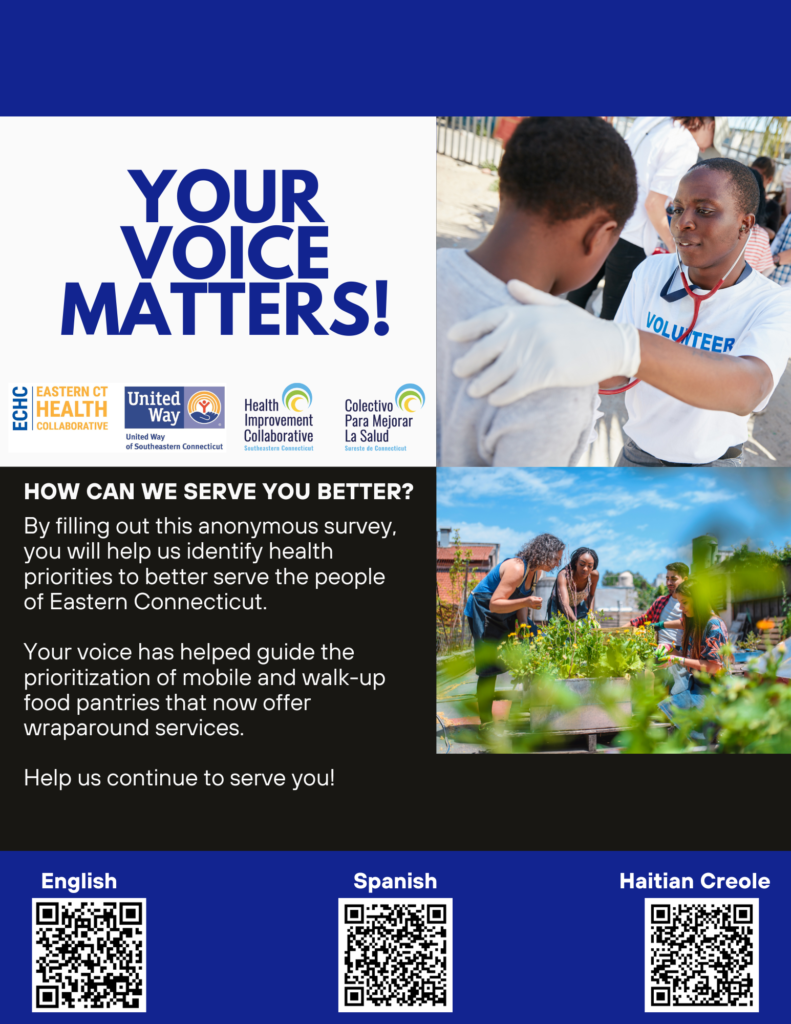
The Eastern CT Health Collaborative (ECHC) and the Health Improvement Collaborative of Southeastern CT (HIC) are teaming up with Hartford HealthCare and Yale New Haven hospitals to conduct the 2024 Community Health Needs Assessment (CHNA). This important initiative aims to gather valuable data to enhance the health and well-being of our community.

Take Me to the Survey

Why Participate?

The CHNA survey, streamlined with the help of Data Haven, is designed to capture a clear picture of the quality of life and key issues impacting residents of Eastern Connecticut. By participating, you contribute to a comprehensive understanding of the community’s needs, which will directly influence the improvement of programs and services in our area.

How Your Input Helps

The insights gained from the CHNA survey will guide local hospitals and health organizations in making informed decisions about where to focus their efforts and resources. Your input is crucial in shaping a healthier future for Eastern Connecticut.

Get Involved

Take a few minutes to complete the shorter version of the CHNA survey. Your voice matters, and your participation will make a significant difference in enhancing community health services. Together, we can build a healthier and more vibrant Eastern Connecticut.

Join us in this vital endeavor to better understand and address the health needs of our community. Participate in the 2024 Community Health Needs Assessment and help pave the way for a brighter, healthier future for all residents of Eastern Connecticut.


community health needs assessment