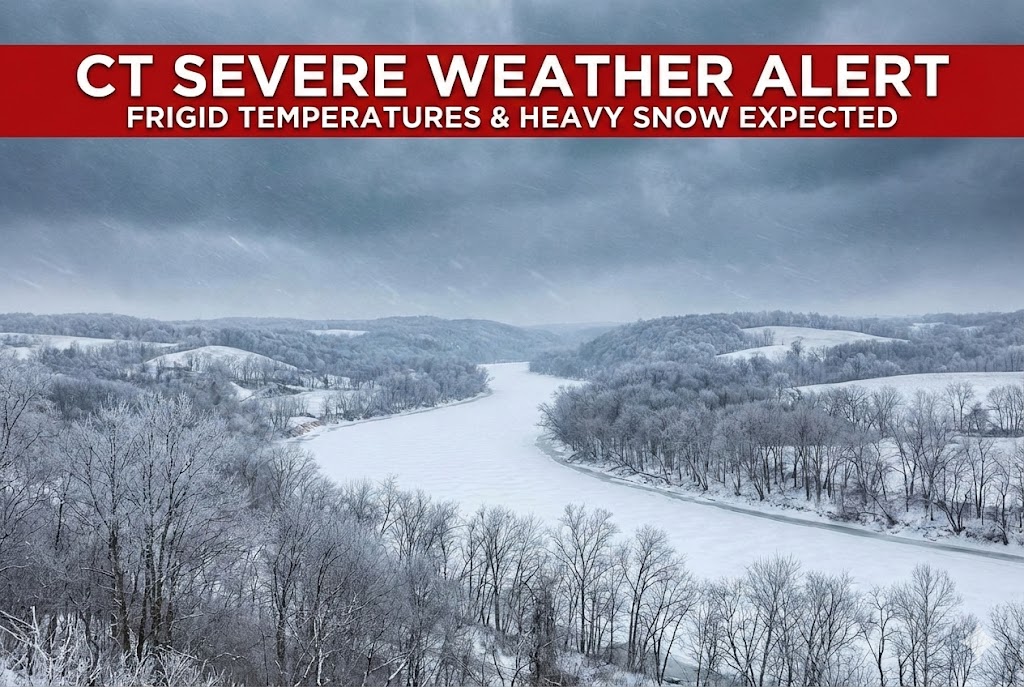
A single bitterly cold night is tough. But when ice-cold temperatures hang around for several days, the risks can stack up fast — especially if the power goes out, your home heating is disrupted, or you're improvising to stay warm. Here are the biggest dangers to keep on your radar, plus practical steps you can take to stay safe.
Carbon monoxide: the invisible, fast-moving danger
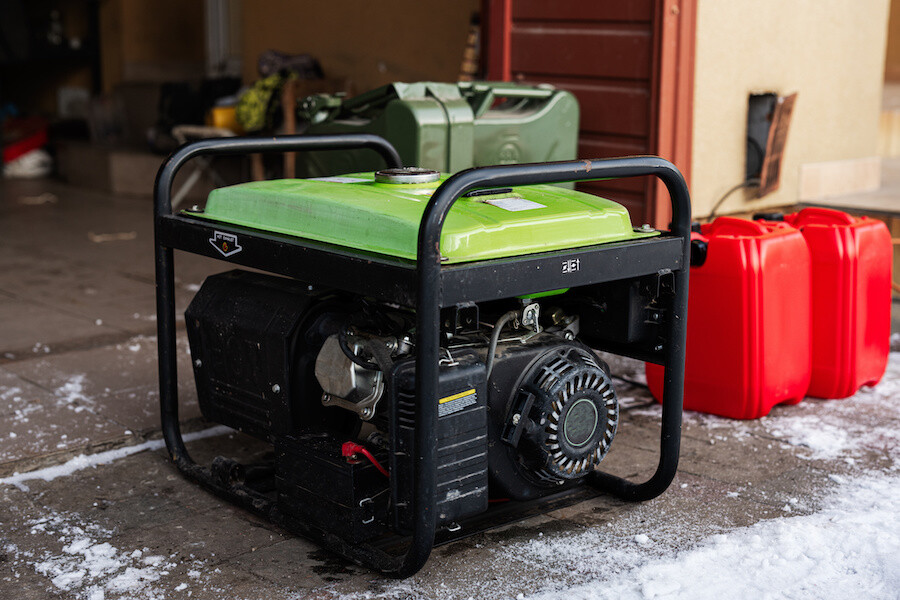
When heat or electricity is interrupted, people often turn to generators or alternative heat sources. The problem: Carbon monoxide (CO) is colorless and odorless, and it can build up quickly indoors.
High-risk scenarios include:
-
Running a generator in a garage, basement, shed, or near open windows/doors
-
Using charcoal grills, camp stoves, or other outdoor cooking devices indoors
-
Using fuel-burning heaters that aren’t properly vented
Safer habits that save lives:
-
Run generators outdoors only—more than 20 feet from the home, doors, and windows, and aim exhaust away from the house.
-
Install CO alarms (and check batteries). CO alarms are especially important if you use any fuel-burning equipment.
-
If anyone develops headache, dizziness, nausea, confusion, or unusual sleepiness, get to fresh air immediately and call for help—CO poisoning can mimic the flu, but it’s far more urgent.
Winter fire hazards: space heaters and “temporary fixes”
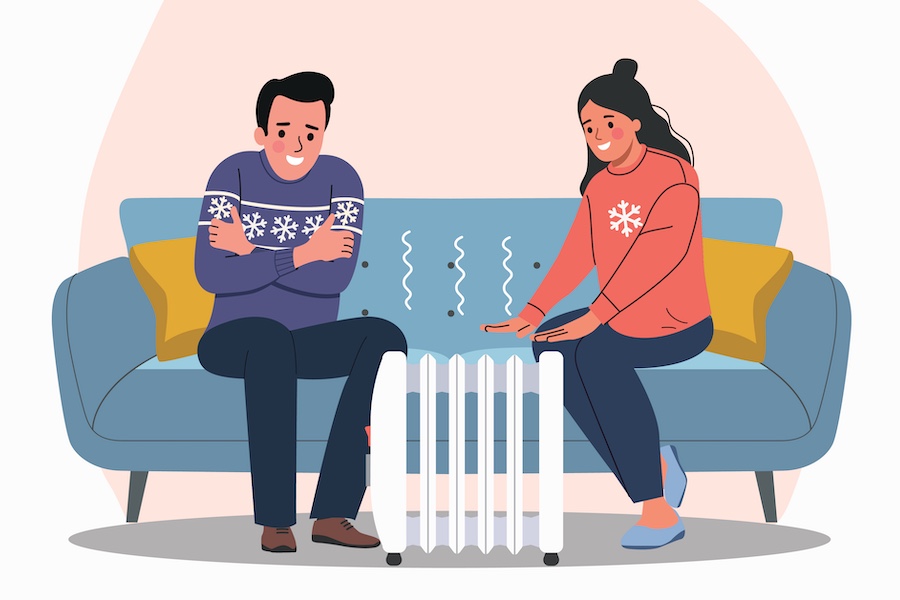
Cold spells also increase home fire risk because we’re using more heat sources—often in bedrooms, living rooms, and near fabrics.
Common winter fire causes:
-
Space heaters too close to curtains, bedding, furniture, or clutter
-
Overloaded outlets, power strips, or extension cords
-
Improper use of ovens or stovetops for heat
-
Fireplace/wood stove misuse or poor maintenance
Reduce fire risk with these basics:
-
Keep anything that can burn at least 3 feet away from heaters, fireplaces, wood stoves, and candles.
-
Plug space heaters directly into a wall outlet (avoid extension cords/power strips).
-
Turn portable heaters off when you leave the room and never run them while sleeping unless the model is specifically designed for that use and you’ve followed all safety instructions.
-
Make sure you have working smoke alarms and (if applicable) CO alarms — and test them during the season.
Heating equipment—especially space heaters and heating stoves—accounts for a large share of home heating fire deaths and injuries.
Cold exposure: frostbite and hypothermia can happen faster than you think
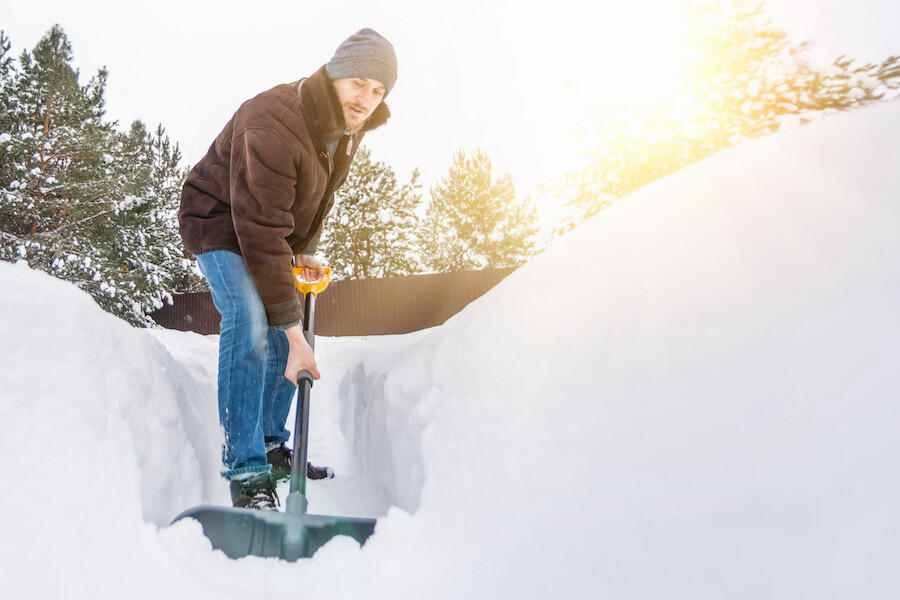
When temperatures drop below 20°F, your body loses heat quickly — especially if you’re wet, in the wind, or outside for extended periods (shoveling, walking pets, waiting for a ride, clearing cars).
Frostbite timeline (the key factor is wind chill):
-
The National Weather Service wind chill guidance shows exposed skin can freeze in about 30 minutes under certain wind chill conditions (and faster in more extreme wind chills).
-
Example from NWS materials: 0°F with a 15 mph wind can create a wind chill of around -19°F, at which frostbite can occur in ~30 minutes.
Protect yourself and others:
-
Dress in layers; cover hands, ears, and face; wear wind-resistant outer layers.
-
Take frequent warm-up breaks when shoveling or working outside.
-
Check on neighbors, older adults, and anyone without reliable heat.
Home hazards during deep cold: ice, falls, and roof damage
Icy walkways and slips
Falls are one of the most common winter injuries — often right at home.
-
Clear and treat steps/sidewalks promptly with rock salt or a de-icer, and use sand or kitty litter for traction when needed.
-
Wear footwear with good traction; take short steps and use handrails.
Ice dams and water damage
After cycles of melting and refreezing, ice dams can form along roof edges. When that happens, water can back up under shingles and leak into attics and walls — leading to ceiling damage, insulation issues, and mold risk.
What helps:
-
Safely remove roof-edge snow from the ground using a roof rake (avoid climbing onto icy roofs).
-
Address root causes in the long term: attic insulation and ventilation, and keeping gutters clear.
Resources in CT if you don’t have safe heat or shelter
If you or someone you know is homeless, staying somewhere without working heat, or dealing with a loss of electricity/water, help is available:
-
Call 2-1-1 (United Way of Connecticut) to find warming centers, shelters, and transportation options in your area (available 24/7).
-
Connecticut’s Severe Cold Weather Protocol coordinates shelters and services statewide during dangerous cold. 2-1-1 is the front door for assistance.
-
Need help paying for heat? The Connecticut Energy Assistance Program (CEAP) can help eligible households with home heating costs.
-
For emergency energy help beyond traditional assistance programs, Generation Power CT (formerly Operation Fuel) provides support through partner agencies across the state.
If someone is in immediate danger from cold exposure, fire, or suspected carbon monoxide poisoning, call 911 right away.