Fire Prevention Week runs October 4 through 10 this year, and it is a good moment to ask a simple question: if a fire started in your home tonight, would everyone know what to do?
Fire Prevention is Serious Business
A home fire can grow from a spark to a life-threatening emergency in just a few minutes. That is why the best protection is the kind you put in place long before anything goes wrong: working smoke alarms, a practiced escape plan, and a few everyday habits that keep common hazards in check.
Fire Prevention Week is the longest-running public health observance in the United States, led each year by the National Fire Protection Association (NFPA) and held during the week that marks the Great Chicago Fire of 1871. This year's theme is "Charge into Fire Safety: Safe Charging Is a Superpower." It builds on last year's focus on lithium-ion batteries, the rechargeable batteries found in phones, laptops, tablets, e-bikes, scooters, and many other devices we rely on every day.
The everyday causes are familiar ones. The NFPA reports that cooking is the number one cause of home fires and home fire injuries, and that unattended cooking is the leading cause of kitchen fires. The U.S. Fire Administration also points out that batteries of all types can present fire dangers when they are not used, stored, or disposed of according to the manufacturer's instructions.
The encouraging news is that most home fires can be prevented, and the steps that make the biggest difference are simple. The sections below walk through what to do now to lower your risk, and what to do if the worst happens.
Preventing Fires in Your Home
Most of these habits take only a few minutes, and many cost nothing.
Install and maintain smoke alarms. The American Red Cross advises placing a smoke alarm outside each sleeping area and on every level of your home. Test them monthly, replace batteries at least once a year, and replace the alarms themselves about every 10 years, since their sensitivity fades over time. A good reminder: check them when you change your clocks.
Stay with your cooking. Because unattended cooking is the leading cause of kitchen fires, never walk away from a stove or oven while it is on. If you have to leave the kitchen, even briefly, turn off the burner. Keep towels, paper, and pot holders away from the stovetop, and keep a lid nearby to smother a small pan fire.
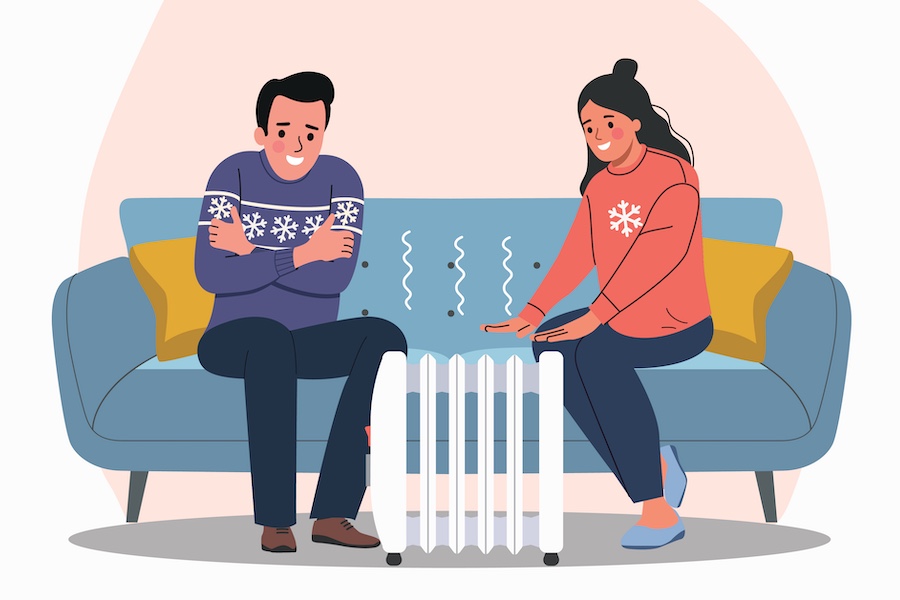
Give heaters room. Keep space heaters, fireplaces, and wood stoves at least three feet from anything that can burn, such as curtains, bedding, and furniture. Plug space heaters directly into a wall outlet rather than an extension cord, and turn them off when you leave the room or go to bed. Have your chimney and heating system inspected before the cold season is fully underway.
Charge devices safely. This year's Fire Prevention Week theme is a reminder that lithium-ion batteries deserve respect. The U.S. Fire Administration's battery fire safety guidance suggests the following:
- Buy certified products and use the charger that came with the device.
- Store spare batteries away from anything flammable, and out of direct sunlight or a hot vehicle.
- Avoid charging at temperatures below 32°F or above 105°F.
- Stop using a battery right away if you notice an odd smell, a change in color, too much heat, a change in shape, leaking, or strange noises.
- Recycle old batteries at a proper collection site instead of throwing them in the trash.
Be careful with candles and smoking materials. Burn candles in a sturdy holder on a stable surface, keep them away from anything flammable, and blow them out before leaving the room or going to sleep. Consider flameless LED candles as a safer alternative. If anyone in your home smokes, do it outside and use a deep, sturdy ashtray.
Keep electrical systems in good shape. Replace frayed or damaged cords, avoid overloading outlets and power strips, and have an electrician look at any outlet that sparks, feels warm, or repeatedly trips a breaker.
Keep fire extinguishers on hand. A small extinguisher in the kitchen and one on each level of the home can stop a very small fire, provided everyone knows how to use it and no one puts themselves at risk to do so.
Make a plan, and practice it. Fire prevention and fire escape go hand in hand. The Red Cross recommends that every household identify at least two ways out of every room, choose a meeting place outside, and practice the plan at least twice a year.
What to Do if a Fire Starts
In a real fire, there is very little time to think, so the goal is for these steps to feel automatic.
- Get out first. Leave immediately and do not stop to gather belongings, pets, or valuables. Help others who need assistance only if you can do so without putting yourself in danger.
- Stay low in the smoke. If smoke fills the room, crawl low under the smoke, where the air is cleaner.
- Check doors before opening them. Use the back of your hand to feel a closed door. If it is warm, do not open it; use your second way out.
- Close doors behind you. A closed door can slow the spread of fire and smoke, giving everyone more time to escape.
- Meet at your outdoor meeting place. Once everyone is out, count heads, so firefighters know right away whether anyone is still inside.
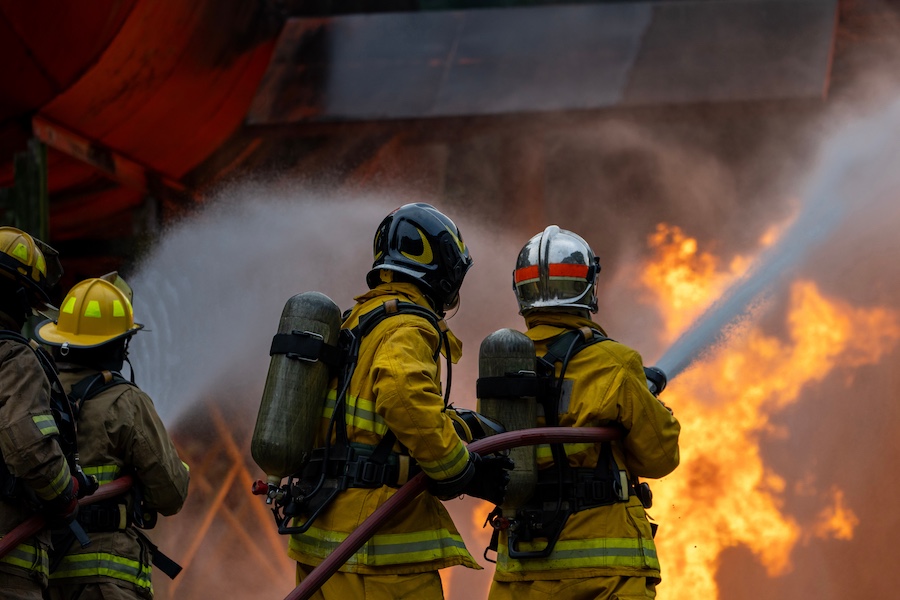
- Call 911 from outside. Give your address and tell the dispatcher if anyone is missing. Never go back inside for any reason. Firefighters have the equipment and training to search safely.
If you are trapped, close the door between you and the fire, place a towel or clothing along the bottom to block smoke, open a window if possible, and signal for help from the window with a flashlight or bright cloth. Call 911 and tell them exactly where you are. The Red Cross offers more guidance on this situation.
If your clothing catches fire, stop, drop to the ground, cover your face with your hands, and roll over and over to smother the flames. Cool the burn with running water for several minutes, then seek medical care.
If a battery or device overheats, stop using it if it is safe to do so, move away, and call 911 if you see smoke, flames, or swelling. The U.S. Fire Administration's "Get out quickly" advice applies here: do not try to fight a battery fire yourself.
After the fire, wait for the fire department to say it is safe before going back inside. The American Red Cross can help families with immediate needs after a fire, such as temporary housing and food. Contact your insurance provider as soon as you are able.
Take One Step This Week
You do not need to do everything at once. This week, press the test button on every smoke alarm, walk your family through your escape plan, and check where your phones, tablets, and e-bikes are charging overnight. Each of these takes only a few minutes, and together they make your home meaningfully safer.
Your local fire department is also a valuable resource. Many departments in our communities offer home safety information, smoke alarm guidance, and community events during Fire Prevention Week, so contact them to learn what is available near you.