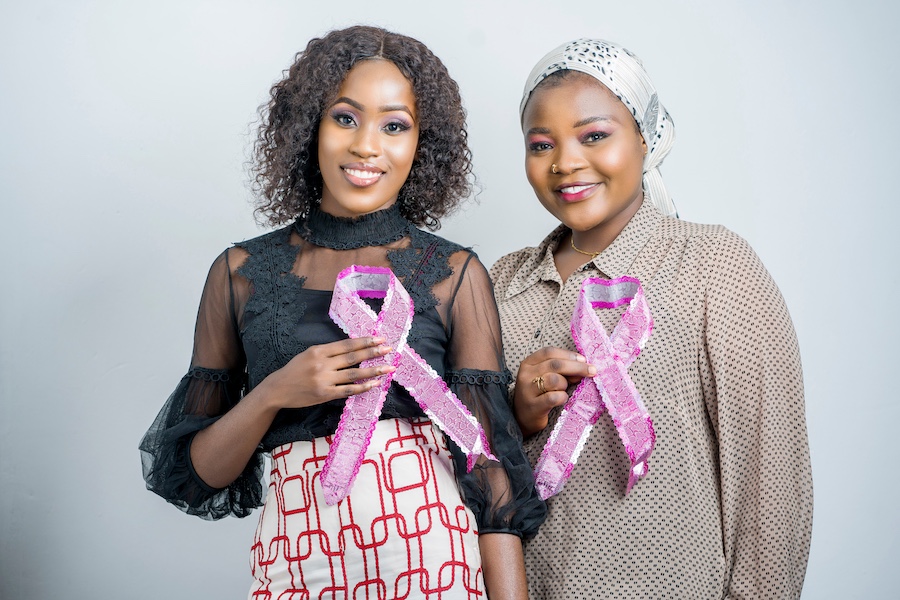
Hereditary Breast and Ovarian Cancer in Connecticut

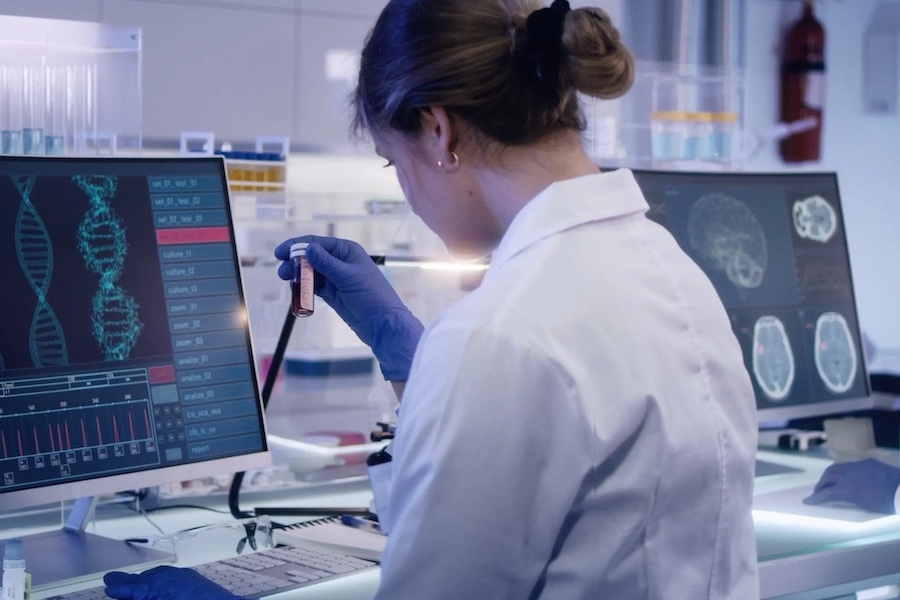
scientist studying DNA in a lab

Hereditary Breast and Ovarian Cancer (HBOC) is associated with potentially harmful mutations in breast cancer susceptibility genes (BRCA1 and BRCA2), and sometimes mutations in other genes. About 50 out of 100 women with a BRCA gene mutation will get breast cancer by the time they turn 70 years old, compared to only 7 out of 100 women in the general United States population. [Source: CDC website]

The importance of knowing and sharing your Family Health History.

Your family health history is a record of diseases and conditions that run in your family, especially among close relatives. A family history of breast and ovarian cancers can increase a woman’s risk for developing cancer.

You may share similar genes, habits, and environments that can affect your cancer risk. Learning about and sharing your health history with your family and telling your doctor about your family's health history are important.

Not only does knowing your family health help you identify risk, but knowing your family history also helps you and your doctor decide if genetic counseling or genetic testing may be right for you. Even if genetic counseling and testing are not recommended for you, everyone needs to know their family history.

Knowing your family health history may also help you identify risk for other common diseases, such as high blood pressure, high cholesterol, diabetes or heart disease!

Web Resources to Learn About Hereditary Cancer

Breast Cancer in Men: It’s Rare — But It’s Real

Breast cancer is usually talked about as a disease affecting women, but men have breast tissue, too, and they can develop breast cancer. Knowing the basics helps you spot changes early and act fast.

What is Breast Cancer in Men?

Breast cancer is the uncontrolled growth of abnormal cells in breast tissue. Men have a small amount of breast tissue (mostly behind the nipple), and the same main types seen in women can occur in men:

  • Invasive ductal carcinoma (IDC)
  • Invasive lobular carcinoma (ILC)
  • Ductal carcinoma in situ (DCIS)

These types behave in men much like they do in women.

How Common is It?

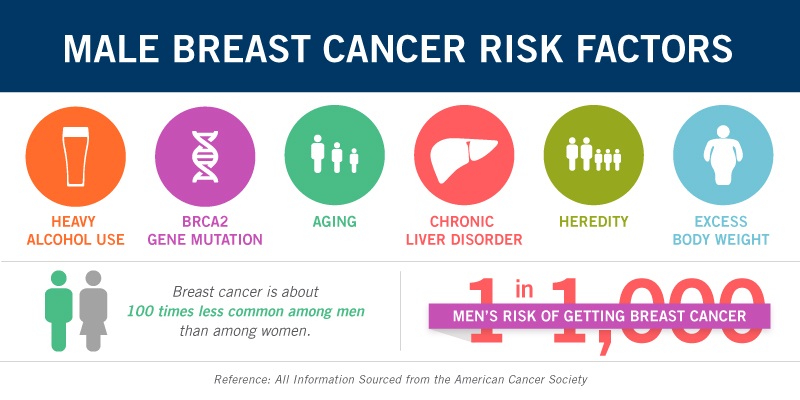
Male breast cancer is uncommon. The CDC estimates that about 1 out of every 100 breast cancers diagnosed in the U.S. is found in a man.

For 2025, the American Cancer Society projects about 2,800 new cases of invasive breast cancer in men and about 510 deaths in men. The average lifetime risk for a U.S. man is about 1 in 726.

ACS also notes that breast cancer is ~100× less common among white men than white women and ~70× less common among Black men than Black women, and that Black men with breast cancer tend to have a worse outlook—important disparities that underscore the need for awareness and timely care.

image004

Signs and Symptoms to Watch for

Contact a healthcare provider if you notice any of the following on one side or both:

  • A lump or swelling in the breast or underarm
  • Nipple discharge
  • Redness, scaling, or flaky skin on the breast or nipple
  • Irritation, dimpling, or puckering of breast skin
  • Nipple turning inward (retraction) or nipple pain

Sometimes cancer spreads to lymph nodes near the collarbone or under the arm and causes a lump before a breast lump is felt. These symptoms can also be caused by conditions that aren’t cancer, but they should always be checked.

Who is at Higher Risk?

Your risk may be higher if you:

  • Have a strong family history of breast cancer or carry BRCA1/BRCA2 gene changes (especially BRCA2)
  • Have had chest radiation
  • Have conditions that raise estrogen levels (e.g., Klinefelter syndrome, certain liver diseases)
  • Have obesity or certain testicular conditions
    Risk increases with age. Talk to your clinician about whether genetic counseling/testing is right for you.

How is it Treated?

Treatment depends on the tumor’s size and whether it has spread. Options can include surgery, chemotherapy, radiation, hormone therapy, and targeted therapy—similar to treatments used for women. Your care team will tailor a plan to you.

Bottom Line

Breast cancer in men is rare, but real. If you notice a new lump, nipple changes, skin dimpling, or discharge, don’t wait—see your healthcare provider right away. Early evaluation leads to better outcomes.


Read More From The Uncas Health District

Bring Your Brave: Knowing Your Risk, Owning Your Health

Most breast cancers occur in older adults, but diagnoses among women younger than 45 have been slowly rising. The good news: deaths have fallen overall thanks to better awareness and early detection. Bring Your Brave puts practical, culturally relevant tools and stories in one place so younger women can spot risks and speak up sooner.

Meet Marleah

A Personal Story

Meet Marleah. At 25, she learned she carried a BRCA2 gene mutation. That knowledge meant hard choices—but it also sparked a career in advocacy and helped her take charge of her care. Her story is one of many from the CDC’s Bring Your Brave campaign, which shares real experiences to help women under 45 understand breast cancer risk and act early.

Map Your Family History

Knowing your family health history is one of the most powerful ways to understand your personal risk. CDC’s My Family Health Portrait: Cancer (free on iOS and Android) helps you gather relatives’ cancer histories and get a personalized assessment for breast, ovarian, and colorectal cancer risks you can share with your clinician.

Who May Have a Higher Risk at a Young Age?

You may face a higher risk before 45 if any of the following apply to you:

  • A close relative was diagnosed with breast or ovarian cancer, especially at 45 or younger.
  • You have a known BRCA1 or BRCA2 gene change.
  • You had radiation therapy to the chest during childhood or early adulthood.
  • You’ve had breast cancer or certain breast conditions such as LCIS, DCIS, or atypical ductal or lobular hyperplasia.

If these sound familiar, talk with your doctor. They may recommend a genetic counselor, earlier or more frequent screening, or steps to lower risk.

Screening: What to Know

The U.S. Preventive Services Task Force recommends mammograms every two years from ages 40 to 74 for people at average risk. If you’re at higher risk, your clinician may suggest starting earlier, screening more often, or using additional tests (such as MRI). The right plan depends on your personal and family history—bring your questions.

Quick note on self-checks: Being familiar with how your breasts normally look and feel is valuable—if you notice changes (a new lump, skin dimpling, nipple discharge, or persistent pain), call your provider. Formal monthly self-breast exams don’t replace recommended screening and are not a stand-alone screening test.

What You Can Do Today

  • Download the CDC app My Family Health Portrait: Cancer and start a confidential family history. Share it at your next appointment. (Google Play | App Store)
  • Explore Bring Your Brave stories like Marleah’s for guidance on talking with family, navigating genetics, and advocating for yourself.
  • Ask your clinician whether your history or heritage suggests earlier or additional screening. If so, request a referral to genetic counseling.
  • Know your normal. If something feels off, don’t wait—get it checked. (The National Breast Cancer Foundation offers a clear, step-by-step guide on self-awareness techniques.)

Bottom line: Bring Your Brave is about informed action. Learn your risk, start the conversation, and make a plan that fits you—because early knowledge can be life-changing.


Read More From The Uncas Health District

Recent Cancer Report Reflects the Importance of Early Screening

Every year, the Annual Report to the Nation on the Status of Cancer offers a snapshot of the nation’s ongoing battle against cancer. This collaborative effort from  the American Cancer Society (ACS), the Centers for Disease Control and Prevention (CDC), the North American Association of Central Cancer Registries (NAACCR), and the National Cancer Institute (NCI) provides crucial insights into cancer incidence, mortality, and trends. 

From the public health perspective, this report helps highlight both the progress we’ve made and the areas where our work can make the biggest difference — particularly when it comes to the life-saving potential of early screenings.


Key Takeaways in Cancer Trends

The latest report paints a picture of both encouraging advancements and persistent challenges in the fight against cancer. One of the most significant positive trends is the steady decline in overall cancer death rates observed between 2001 and 2022. This sustained decrease underscores the impact of advancements in treatment, early detection methods, and prevention efforts.

At the same time, new cancer diagnoses among women grew steadily among women between 2003 and 2021 — largely driven by a consistent rise in breast cancer diagnoses. However, the overall mortality rate from breast cancer has been on the decline.

The report shows a profound impact in public health initiatives directed at curtailing harmful habits. The decline in smoking and increasing prevalence of smoking cessation programs over the past two decades has resulted in a significant drop in tobacco-related cancers.

Conversely, the report highlights an emerging trend of concern: a rise in the incidence of cancers associated with obesity. These include cancers of the female breast, uterus, colon and rectum, pancreas, kidney, and liver. 


Decoding the Data: What Cancer Rates Really Tell Us

Understanding the data from this report requires us to look beyond the numbers. It’s especially important to recognize that changes in cancer rates don’t always translate directly to changes in the actual occurrence of cancer. For instance, an increase in reported cancer cases in a community might understandably cause concern. However, this increase could actually reflect more effective and widespread screening programs. 

Screening programs are designed to detect cancers earlier, often at a more treatable stage. While this leads to a higher number of diagnoses being recorded, the early detection is also a significant contributor to better outcomes.

It’s notable how the overall rate of new cancer cases in the United States plummeted 8 percent in 2020 as a result of the COVID-19 pandemic. With the pandemic disruptions making it more difficult for patients to see their doctor, it was more challenging for them to receive the screenings that could lead to early detection. New cancer cases returned to expected levels in 2021. 


The Power of Prevention: How Cancer Screenings Improve Our Understanding

Cancer screenings are more than just tests; they are powerful tools that significantly enhance our understanding and management of cancer. By proactively looking for signs of cancer in individuals who may not yet have symptoms, screenings offer several key advantages:

  • Early Detection: This is perhaps the most critical benefit. Detecting cancer at an earlier stage, when it is often smaller and hasn’t spread, dramatically improves the chances of successful treatment and survival.
  • Identifying Precancerous Changes: Some screenings can identify precancerous conditions, allowing for interventions that can prevent cancer from developing in the first place.
  • Understanding Disease Patterns: Population-wide screening data contributes valuable information to our understanding of cancer incidence, prevalence, and risk factors within specific communities. This data helps inform public health initiatives and resource allocation.
  • Empowering Individuals: Screening programs empower individuals to take an active role in their health. Knowing their screening options and understanding the potential benefits can lead to earlier diagnosis and better health outcomes.


Your Local Support: Cancer Screening Services at the Uncas Health District

The Uncas Health District is committed to supporting the health and well-being of our community through various cancer prevention and early detection initiatives. We proudly offer resources and support for:

We encourage you to reach out to the Uncas Health District to learn more about available screening programs and how you can take proactive steps towards cancer prevention and early detection. Your health is our priority, and early detection can make a life-changing difference.

Uncas Health District in Your Community: Cancer Detection and Prevention

During National Public Health Week, we’re highlighting some of the important work Uncas Health District does in our community. One of our key services is providing free, potentially life-saving screenings for individuals who might have trouble accessing these crucial medical services.

Cancer is a serious health concern, and one of the leading causes of death in the United States. Early detection is key in the fight against this serious illness, and we’re proud to partner with the state to make these screenings available.


The Power of Early Detection

Cancer can develop slowly, which is why regular medical check-ups are important for identifying their symptoms. Primary care physicians routinely order screenings for their patients in order to identify potential signs of cancer and track changes in the body over time.

If cancer is detected too late, there is a greater chance that it will have metastasized, or spread to other parts of the body. When this occurs, there is a much greater risk of serious illness or death.

Early screening allows cancer to be treated before it can progress. This not only means that the survival rate is improved, but also that it can be addressed with less invasive methods that improve one’s quality of life during treatment and recovery.

Unfortunately, people may not think that these screenings are accessible to them. This is most likely to occur when someone is uninsured or underinsured, or when they have a lower income and do not believe they can afford medical services.


Making Screenings More Accessible

Uncas Health District is a proud participant in the Connecticut Breast and Cervical Cancer Early Detection Program. This program offers free screening, diagnostic, and treatment referral services to medically underserved women. 

By setting up an appointment with the Uncas Health District, qualifying women can receive clinical breast exams, Pap smears, and mammograms at no cost. The services are available to qualifying women, including those living at or below 250% of poverty level or those who lack the necessary insurance to cover these screenings. Learn more about eligibility criteria here, and contact the Uncas Health District to schedule a screening.

The Uncas Health District also participates in the Connecticut Colorectal Cancer Control Program. This program aims to reduce disparities in colorectal cancer by providing free diagnostic services to identify signs that someone might have this cancer. The program is open to qualifying individuals 45 and older, including those with positive results from other colorectal cancer screenings.


Screening for Heart Disease

In our work with the Connecticut Breast and Cervical Cancer Early Detection Program, the Uncas Health District also helps identify potential heart disease risk factors. Women in this program can enroll in WISEWOMAN, which provides heart disease screenings for participants between the ages of 35 and 64.

A mammogram not only allows for the detection of potentially cancerous tissue in the breast, but also the presence of breast arterial calcification during mammograms. While this is typically not related to breast cancer, it can be a sign of cardiovascular disease. When breast arterial calcification is detected, it allows for early intervention against heart disease.


Take Control of Your Health

Don’t wait. Early detection can save lives. 

If you qualify for any of these programs, please reach out to the Uncas Health District today. Your health is our priority.

Breast Cancer Awareness Month 2024: The Importance of Screening and Early Detection

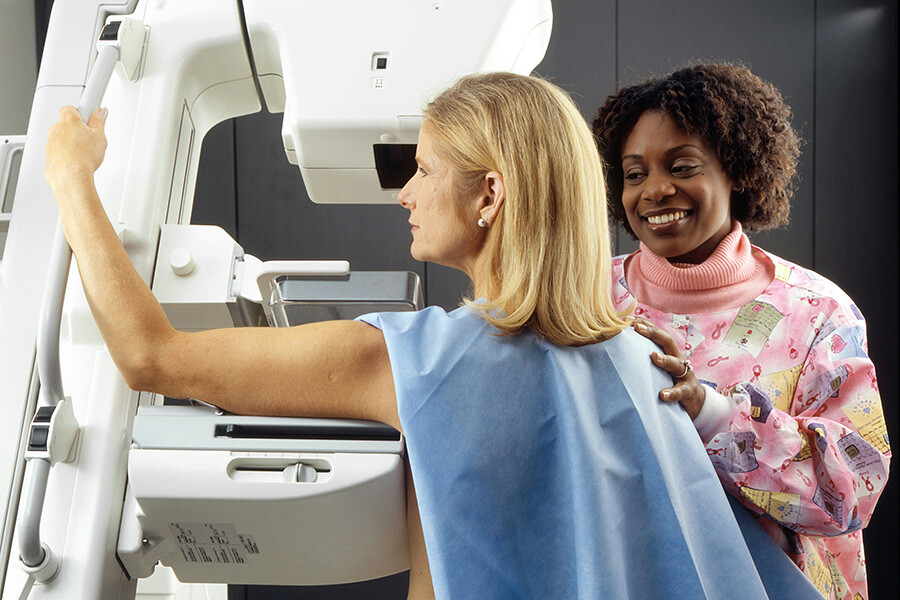
woman receiving mammogram

Breast Cancer Awareness Month 2024: The Importance of Screening and Early Detection

Breast cancer remains one of the most common cancers affecting women in the United States. According to the American Cancer Society (ACS), it is projected that 310,720 new cases of invasive breast cancer will be diagnosed in 2024, and 42,500 women are expected to die from the disease.

While these numbers are concerning, there is good news: early detection plays a critical role in improving survival rates. When breast cancer is detected early, is in the localized stage, and treated promptly, the five-year survival rate is 99%. This underscores the vital importance of regular breast cancer screenings.

Why is Breast Cancer Screening Important?

Breast cancer screening tests, such as mammograms, can detect the disease before symptoms develop, when the cancer is often smaller and has not spread. This early detection makes treatment more effective, less invasive, and can significantly improve outcomes.

For many women, timely screening could be the difference between a manageable condition and a more complicated diagnosis.

Who Should Get Screened?

The ACS recommends that women at average risk of breast cancer start receiving annual mammograms at age 40. Women considered at higher risk—such as those with a family history of breast cancer, certain genetic mutations (like BRCA1 or BRCA2), or other risk factors—may need to begin screenings earlier. It’s important to discuss your personal risk factors with your doctor.

How Often Should I Get Screened?

Most women should have a mammogram every year, according to the ACS guidelines. However, depending on your risk profile, your doctor may recommend a more frequent screening schedule or additional tests such as breast MRIs. Staying consistent with screening is essential for catching any potential issues early.

What Should I Do If I Find a Lump in My Breast?

If you detect a lump or notice any changes in your breasts, it’s crucial to see a healthcare provider promptly. While many breast lumps are not cancerous, only a professional evaluation can determine the cause and recommend the appropriate next steps.

How Can I Support Breast Cancer Awareness Month?

There are many ways you can get involved and help raise awareness:

  • Get screened for breast cancer, and encourage others to do the same.
  • Share information about the importance of screening with friends and family.
  • Donate to breast cancer research or organizations that provide support to patients and survivors.
  • Volunteer your time to local cancer charities or support groups.

By taking these steps, you can contribute to ongoing efforts to reduce breast cancer mortality and support those impacted by the disease.

More Facts About Breast Cancer

Breast Cancer Awareness Month: the importance of screening and early detection

Breast Cancer Awareness Month

Breast cancer is among the most common cancers among women in the United States. According to the American Cancer Society (ACS), an estimated 297,790 new cases of invasive breast cancer will be diagnosed in women in the United States in 2023, and 43,700 women will die from the disease.

While breast cancer can be a devastating disease, it is important to remember that early detection is key. When breast cancer is found early and treated promptly, the 5-year survival rate is nearly 100%. That’s why it’s so important to get regular breast cancer screenings.

Why is getting screened important?

Breast cancer screening tests can help find breast cancer early when it is most treatable. When breast cancer is found early, it is often smaller and less likely to have spread to other parts of the body. This means that treatment is often more effective and less invasive.

Who should get screened?

The ACS recommends that all women at average risk of breast cancer begin getting annual mammograms at age 40. Women at higher risk of breast cancer, such as those with a family history of the disease, may need to start screening earlier.

How often should I get screened?

The ACS recommends that most women get a mammogram every year. However, some women may need to get screened more often, depending on their individual risk factors.

If I find a lump in my breast, what should I do?

If you find a lump in your breast, it is important to see a doctor right away. Most breast lumps are not cancer, but it is important to have them checked out by a doctor to be sure.

How can I support Breast Cancer Awareness Month?

There are many ways to support Breast Cancer Awareness Month. Here are a few ideas:

  • Get screened for breast cancer.
  • Talk to your friends and family about the importance of getting screened.
  • Donate to a breast cancer charity.
  • Volunteer your time to help people affected by breast cancer.

Breast cancer is a serious disease, but it is one that is often treatable when found early. That’s why it’s so important to get regular breast cancer screenings. If you are 40 or older, talk to your doctor about your risk of breast cancer and whether you should start getting screened.