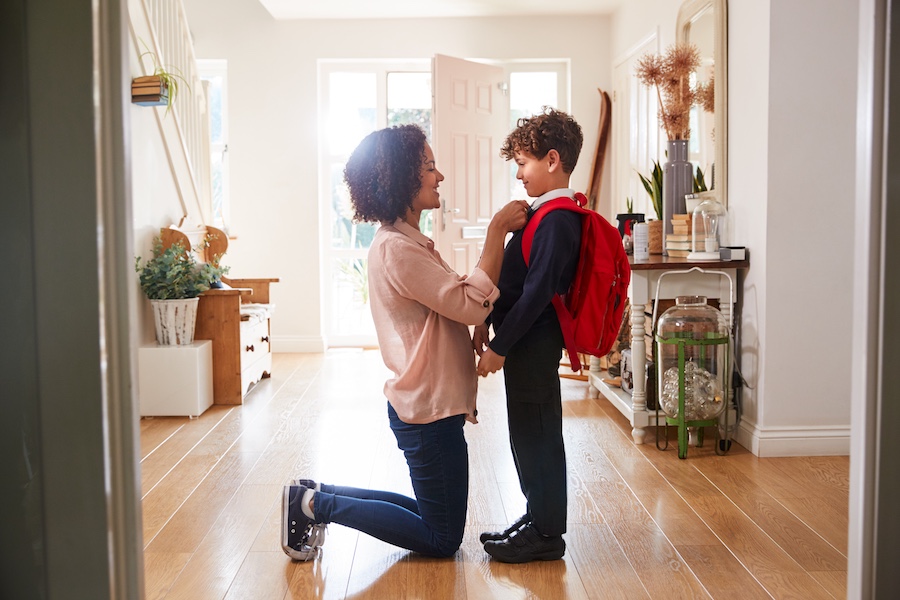

Summer may be winding down, but the transition into a new school year brings its own set of health and safety considerations. A little preparation now can help families start the fall with fewer last-minute surprises — and keep healthy summer habits going even after the backpacks come out.
Before the season officially changes, work through this end-of-summer checklist.
[ ] 1. Check Vaccinations and School Health Records
Back-to-school season is a good time to ensure children are up to date on required vaccinations, annual physicals, and any health documentation their school requires.
Connecticut has specific immunization requirements for students entering and attending school. Parents and guardians can review the current Connecticut school immunization requirements and access vaccination records through CT WiZ.
If your child is due for a routine checkup, needs a sports physical, or has medical forms that require a healthcare provider's signature, don't wait until the first week of school to make the appointment.
[ ] 2. Update Medications and School Health Plans
If your child has asthma, allergies, diabetes, or another condition that may require medication or assistance during the school day, review their plan before classes begin.
Check expiration dates on medications and rescue inhalers, make sure prescriptions are current, and confirm what paperwork the school nurse needs. Children with asthma, for example, should have an updated asthma action plan available to school staff.
This is also a good time to ensure the school has up-to-date emergency contacts and that teachers, coaches, and other appropriate staff are aware of any important health needs.
[ ] 3. Practice the Trip to School
Whether children take the bus, walk, bike, or ride with a parent, review the route and the rules before the first busy morning.
For bus riders, the National Highway Traffic Safety Administration recommends arriving at the stop at least five minutes early and waiting at least 10 feet from the curb — about five giant steps. Children should wait for the bus to stop completely and for the driver to signal before approaching. They should never walk behind a school bus.
For children who walk or bike, practice the route together. Identify safe crossings, remind them to put phones away around traffic, and make sure bike helmets still fit properly after a summer growth spurt.
Drivers need a refresher, too: slow down around schools and bus stops, and never pass a school bus with its red lights flashing and stop arm extended.
[ ] 4. Ease Back Into a School Sleep Schedule
Late nights are part of summer for many families, but abruptly switching back to early school mornings can make the first week harder than it needs to be.
Begin moving bedtime and wake-up time earlier before school starts, and aim for a consistent schedule. According to the CDC, children ages 6–12 generally need 9–12 hours of sleep each day, while teens ages 13–17 need 8–10 hours. Adequate sleep supports concentration, behavior, physical health, and overall well-being.
Reducing screens before bedtime and establishing a predictable evening routine can also make the transition easier.
[ ] 5. Don't Put Away the Sunscreen or Water Bottles Yet
The calendar may be moving toward fall, but late August and September can still bring high temperatures and strong UV exposure — especially during recess, sports practices, and other outdoor activities.
Keep water readily available, encourage children to take breaks during strenuous activity, and watch for signs of heat-related illness. Children and athletes can become dehydrated quickly during hot weather, and the CDC recommends drinking water regularly rather than waiting until thirst sets in.
Sun protection shouldn't disappear after summer vacation either. UV rays can cause skin damage even on cool, cloudy days, making shade, protective clothing, and sunscreen important year-round.
[ ] 6. Keep Up With Tick and Mosquito Prevention
Don't assume bug season ends when school begins.
Blacklegged ticks can pose a risk during spring, summer, and fall, and tick exposure can occur in backyards as well as wooded and brushy areas. Continue using appropriate repellent, checking children and pets after outdoor activities, and performing full-body tick checks.
Late summer is also an important time to reduce mosquito breeding areas around the home. Once a week, walk around the yard and empty, scrub, cover, or remove items that collect standing water, including buckets, toys, planters, birdbaths, and small pools. Use an EPA-registered insect repellent as directed when spending time outdoors.
[ ] 7. Close the Pool Safely
If swimming season is coming to an end at your home, pool safety still matters after the last swim.
Follow the manufacturer's recommendations for winterizing your pool and keep safety barriers in place throughout the process. In-ground pools should have an appropriate, properly maintained safety cover. For above-ground pools, secure or remove ladders as appropriate, and drain and store portable pools when they are no longer being used.
Take extra care with leftover pool chemicals. Keep them in their original labeled containers, protect them from moisture and excessive heat, store incompatible chemicals separately, and secure the storage area from children and pets. Never mix different pool chemicals together.
If chemicals are old, damaged, or no longer needed, don't simply pour them down a drain or throw unlabeled products in the trash. Follow the product instructions or contact your local household hazardous waste program for disposal guidance.
[ ] 8. Give the House and Yard One Last Summer Safety Check
The change of seasons is a useful reminder to take a quick walk around your home.
Put away summer tools, chemicals, and recreational equipment that children shouldn't access. Empty anything that has collected rainwater. Check outdoor play equipment for damage. Make sure medications, cleaning products, pesticides, and other household chemicals remain secured.
And while you're reorganizing for fall, make sure emergency numbers are easy to find and that older children know how to contact a parent, caregiver, or 911 when appropriate.
Start Fall Healthy and Prepared
The end of summer can be busy, but many of these tasks take only a few minutes. Checking vaccination records, reviewing the route to school, resetting sleep schedules, continuing insect and heat precautions, and safely putting away summer equipment can make the transition into fall healthier and safer for the entire family.
A successful school year starts before the first bell rings. Use these final weeks of summer to take care of the small health and safety details now — and head into the new season ready.