Flu season is approaching — get your flu vaccine today

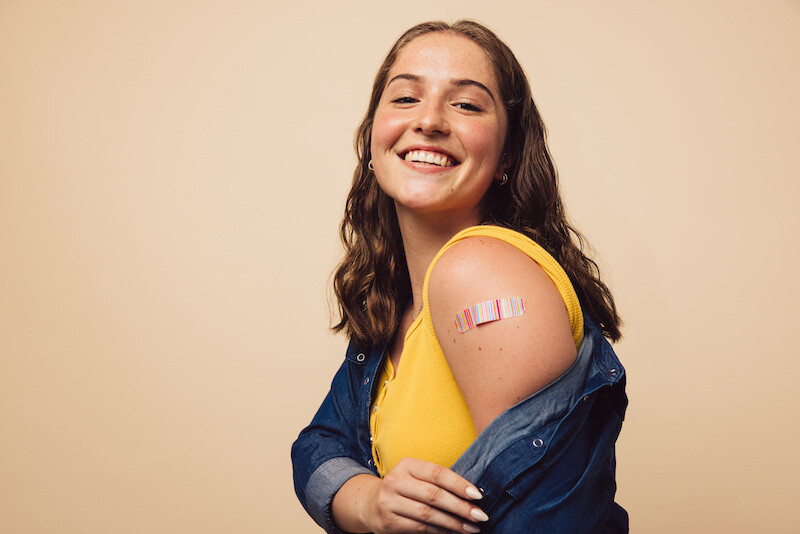
woman smiling after receiving flu shot

Flu season is coming, and it’s important for everyone to get vaccinated. Flu vaccines are the best way to protect yourself and your loved ones from the flu.

The flu is a contagious respiratory illness caused by influenza viruses. It can cause fever, cough, sore throat, runny or stuffy nose, muscle aches, headache, fatigue, and sometimes vomiting and diarrhea. Flu symptoms can be mild or severe and can sometimes lead to hospitalization or even death.

Why is flu vaccination important?

Flu vaccination helps to protect against the flu by stimulating the body’s immune system to produce antibodies against the flu virus. Antibodies are proteins that help the body fight off infection. It is recommended that anyone six months of age or older get a flu vaccine every year.

Flu vaccination is especially important for people who are at high risk for complications from the flu, such as:

  • People 65 years of age and older
  • People with chronic health conditions, such as heart disease, lung disease, diabetes, or asthma
  • Pregnant women
  • Children younger than 5 years old
  • People who live with or care for people at high risk for complications from the flu

Flu vaccines are safe and effective. The CDC estimates that flu vaccination prevents millions of flu illnesses, hundreds of thousands of hospitalizations, and thousands of deaths each year.

Recent data on influenza in the United States

According to the Centers for Disease Control and Prevention (CDC), the flu season in the United States typically peaks between December and March. The CDC estimates that from October 1, 2022, through April 30, 2023, there have been:

  • 26-50 million flu illnesses
  • 290,000-670,000 flu hospitalizations
  • 17,000-98,000 flu deaths

How to get a flu vaccine in southeastern Connecticut

Flu vaccines are available at most doctor’s offices, pharmacies, and health departments. Flu vaccines are also available at some community events and workplaces. Additionally, Uncas Health District offers a number of ways to help local residents get their flu vaccines:

Uncas Health District Mobile Health Team

Each week, the Mobile Health Team visits locations throughout the 11 municipalities we support — offering preventative health care such as blood pressure screening, COVID-19 and Flu vaccines, Hepatitis C/ HIV testing, syringe services, wound care info, and information about other health services provided by the Uncas Health District. Check out our calendar to find out when the Mobile Health Team is coming to a location near you. 

Flu Vaccine Clinics

Uncas Health District hosts and supports a number of flu vaccine clinics throughout the year. Check out the flu vaccine clinic calendar on the Uncas Health District website. 

Flu Vaccines for the Home-Bound

For those in the community who are unable to leave their home, the nurses at Uncas Health District will come to you. Call (860) 823-1189 to schedule a vaccination visit with one of our nurses.

Breast Cancer Awareness Month: the importance of screening and early detection

Breast Cancer Awareness Month

Breast cancer is among the most common cancers among women in the United States. According to the American Cancer Society (ACS), an estimated 297,790 new cases of invasive breast cancer will be diagnosed in women in the United States in 2023, and 43,700 women will die from the disease.

While breast cancer can be a devastating disease, it is important to remember that early detection is key. When breast cancer is found early and treated promptly, the 5-year survival rate is nearly 100%. That’s why it’s so important to get regular breast cancer screenings.

Why is getting screened important?

Breast cancer screening tests can help find breast cancer early when it is most treatable. When breast cancer is found early, it is often smaller and less likely to have spread to other parts of the body. This means that treatment is often more effective and less invasive.

Who should get screened?

The ACS recommends that all women at average risk of breast cancer begin getting annual mammograms at age 40. Women at higher risk of breast cancer, such as those with a family history of the disease, may need to start screening earlier.

How often should I get screened?

The ACS recommends that most women get a mammogram every year. However, some women may need to get screened more often, depending on their individual risk factors.

If I find a lump in my breast, what should I do?

If you find a lump in your breast, it is important to see a doctor right away. Most breast lumps are not cancer, but it is important to have them checked out by a doctor to be sure.

How can I support Breast Cancer Awareness Month?

There are many ways to support Breast Cancer Awareness Month. Here are a few ideas:

  • Get screened for breast cancer.
  • Talk to your friends and family about the importance of getting screened.
  • Donate to a breast cancer charity.
  • Volunteer your time to help people affected by breast cancer.

Breast cancer is a serious disease, but it is one that is often treatable when found early. That’s why it’s so important to get regular breast cancer screenings. If you are 40 or older, talk to your doctor about your risk of breast cancer and whether you should start getting screened.

Updated fee schedule — effective October 1, 2023

Print or Download Fee Schedule


FEE SCHEDULE (EFFECTIVE 10/1/23) 

 SITE TESTING 

SEPTIC SYSTEM: 

Site Investigation per lot * 

$150.00 

Groundwater monitoring per lot / per visit 

$50.00 

Site investigation-B100a-deck, pool, addition etc. 

$100.00 

Additional testing per lot 

$100.00 

Perc testing fill for a system 

$50.00 

Water Treatment Wastewater System 

$100.00 

* includes new construction, repair, subdivisions 

 PERMITS 

SEPTIC: 

Septic Permit – residential * 

$150.00 

Septic Permit – commercial * 

$200.00 

Septic Permit renewal 

$75.00 

Septic Permit transfer – new installer 

$75.00 

* includes new construction and repairs (tank only, sewer line, d-box, etc) 

 PERMITS / REGISTRATIONS 

FOOD SERVICE (including retail):* 

*Restaurant food service licensing fees for new establishments are prorated on a quarterly scale 

Class 1 

$150.00 

Late fee for renewal paid after June 30th 

$50.00 

Class 2 

$250.00 

Late fee for renewal paid after June 30th 

$80.00 

Class 3 

$350.00 

Late fee for renewal paid after June 30th 

$125.00 

FOOD SERVICE (including retail):* 

*Restaurant food service licensing fees for new establishments are prorated on a quarterly scale 

Class 4 

$400.00 

Late fee for renewal paid after June 30th 

$150.00 

Seasonal Food Service – 6 months or less 

½ of class fee 

Food Service reinspection (per inspection) 

$75.00 

Temporary Events – (non-profit w/ 501c3) 

1 day (Exempt from CFPM certificate) 

$25.00 

2+ days (Exempt from CFPM certificate) 

$50.00 

Temporary Events – (for profit) 

1 day (CFPM Certificate) 

$75.00 

2+ days (CFPM Certificate) 

$150.00 

Temporary Events – Application submitted less than 14 days and greater than 5 business days in advance of the event 

Double fee 

Temporary Events – Application submitted within 5 business days of the event 

No permits will be issued 

Farmers Markets – (All Vendors) 

See temporary event schedule 


SALON: 

Salon License 

$150.00 

Salon Re-inspection Fee per reinspection 

$75.00 

Salon Late fee for renewal paid after June 30th 

$75.00 


REGISTRATIONS / INSPECTIONS: 

Day Care inspection 

$100.00 

Group Home inspection 

$100.00 

Public pool – registration & inspection 

$150.00 

Public Pool – reinspection 

$75.00 

Campgrounds – registration & inspection 

$150.00 

Tattoo Parlors – registration 

$75.00 

DEEP System Inspection 

$100.00 


PLAN REVIEW 

SUBDIVISION / SITE PLAN PER LOT: 

per lot w/1 revision – includes lot with existing house 

$150.00 

Additional revisions per revision per lot 

$75.00 

Water Treatment Wastewater System 

$75.00 


SEPTIC SYSTEM: 

Engineered residential plan review per system w/1 revision 

$150.00 

Additional revisions per system 

$75.00 

Engineered commercial plan review per system w/1 revision includes multi-family buildings 

$250.00 

Additional revisions per revision per systems 

$125.00 

B100a residential plan review for a deck, addition, pool, etc. 

$75.00 

B100a commercial plan review for a deck, addition, pool, etc. 

$200.00 

Septic System reinspection fee 

$100.00 

CT DPH exception review 

$100.00 


WELL: 

Well only plan review 

$50.00 


FOOD SERVICE: 

Restaurant Plan Review 

Class 1 

Class 2 & 3 

Class 4 

$100.00 

$200.00 

$300.00 


SALON: 

Salon plan review 

$200.00 


MISCELLANEOUS 

ServSafe Class and Book 

$175.00 

ServSafe re-test fee 

$75.00 

Returned check fee 

$25.00 

Copies 

8 ½ x 11 or 11 x 14 

Plan 

0.50/page 

2.00/page 

Asthma attacks are common in early fall — how to reduce your risk

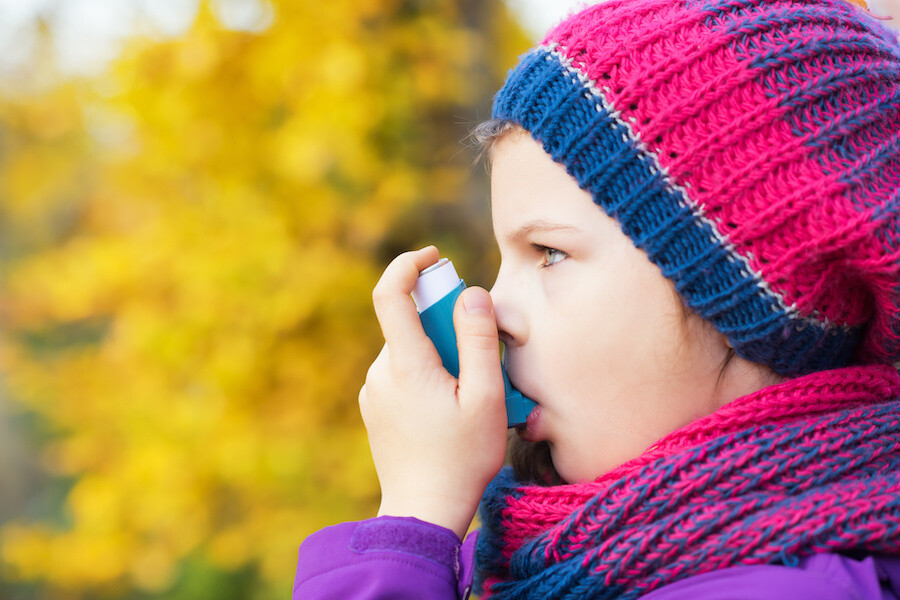
girl using her inhaler

Asthma is a chronic lung disease that inflames and narrows the airways. This can make breathing difficult and trigger wheezing, coughing, shortness of breath, and chest tightness. Asthma attacks can be mild or severe, and they can even be life-threatening.

Why Are Asthma Attacks Common in Early Fall?

There are a few reasons why asthma attacks are common in early fall, especially for children:

  • Allergens: Early fall is a peak season for many allergens, including ragweed pollen, mold spores, and dust mites. These allergens can trigger asthma symptoms in people who are allergic to them.
  • Respiratory infections: Children are more likely to get respiratory infections, such as the common cold and the flu, in the fall. These infections can also trigger asthma symptoms.
  • Weather changes: The weather in the fall can be unpredictable, with rapid changes in temperature and humidity. These changes can also trigger asthma symptoms.

How to Reduce Your Risk of Having an Asthma Attack in the Peak Season

There are a few things you can do to reduce your risk of having an asthma attack in the peak season:

  • Take your asthma medication as prescribed by your doctor. This includes both controller medications, which help to prevent asthma attacks, and quick-relief medications, which are used to treat asthma attacks.
  • Avoid your asthma triggers. If you know what triggers your asthma symptoms, try to avoid them as much as possible.
  • Get a flu shot every year. The flu can trigger asthma attacks, so it’s important to get a flu shot every year.
  • Monitor your asthma symptoms closely. If you notice any changes in your asthma symptoms, such as more frequent wheezing or coughing, talk to your doctor right away.

Additional Tips for Children

If your child has asthma, there are a few additional things you can do to help them reduce their risk of having an asthma attack in the peak season:

  • Make sure your child is taking their asthma medication as prescribed by their doctor. It’s important to talk to your child about their asthma and why it’s important to take their medication.
  • Help your child avoid their asthma triggers. This may mean helping them to check the pollen count before going outside or helping them to clean their room regularly.
  • Encourage your child to wash their hands frequently. This can help to reduce the spread of germs that can trigger asthma attacks.
  • Talk to your child’s school about their asthma. Make sure that the school staff knows about your child’s asthma and what to do if they have an asthma attack.

By following these tips, you can help to reduce your risk of having an asthma attack in the peak season.

[maxbutton id=”2″ url=”https://www.lung.org/lung-health-diseases/lung-disease-lookup/asthma/resource-library” text=”Asthma Resource Library” ]

Check your mental health at Fresh Check Day — Sept. 27 at Three Rivers Community College

teens having fun

On Wednesday, September 27, members of the Uncas Health District team will be heading to CT State Community College Three Rivers (formerly Three Rivers Community College) for Fresh Check Day — an uplifting mental health promotion and suicide prevention event for colleges that includes interactive expo booths, peer-to-peer messaging, support of multiple campus departments and groups, free food, entertainment, and exciting prizes and giveaways.

Fresh Check Day aims to create an approachable and hopeful atmosphere where students are encouraged to engage in dialogue about mental health and helps to build a bridge between students and the mental health resources available on campus, in the community, and nationally.

Goals of Fresh Check Day

  • Increase awareness of mental health resources available to students
  • Reduce stigma and misconceptions around mental health and suicide that often deter individuals from seeking help
  • Empower peers to be gatekeepers by understanding warning signs and knowing what to do if a friend is exhibiting signs of suicide or mental health breakdown
  • Increase willingness to ask for help if experiencing emotional distress

[maxbutton id=”3″ url=”https://freshcheckday.com/” text=”More About Fresh Check Day” ]

September is Suicide Prevention Month

September is Suicide Prevention Month, a time to raise awareness about suicide and its prevention. Suicide is the 10th leading cause of death in the United States, and it is the second leading cause of death among young people ages 10-24.

Help is available 24/7:

[maxbutton id=”19″ url=”https://uncashd.org/suicide-prevention/” text=”Suicide Prevention Resources” ]


Suicide Prevention Month: creating hope through action

Suicide Prevention Month

September is Suicide Prevention Month, a time to raise awareness about suicide and its prevention. Suicide is the 10th leading cause of death in the United States, and it is the second leading cause of death among young people ages 10-24.

There are many warning signs that someone may be thinking about suicide.

These signs can include:

  • Talking about wanting to die or feeling like a burden
  • Increased alcohol or drug use
  • Changes in mood, such as becoming withdrawn or angry
  • Giving away belongings
  • Making a plan for suicide

If you or someone you know is exhibiting any of these warning signs, it is important to take action. Do not hesitate to reach out for help.

Here are some things you can do:

  • Talk to the person about how they are feeling. Let them know that you care and that you are there for them.
  • Encourage the person to seek professional help. Many resources are available, such as therapists, counselors, and support groups.
  • Remove any access to weapons or other means of suicide.
  • Stay calm and supportive. It is important to be patient and understanding.

If you are in immediate danger, call 911 or go to the nearest emergency room.

There is hope for people who are struggling with suicidal thoughts. With the right help, they can get better and live full and happy lives.

To learn more about suicide prevention, visit the following websites:

Call to action:

  • Talk to your friends, family, and coworkers about suicide prevention.
  • Share resources on suicide prevention on social media.
  • Get involved in a suicide prevention organization in your community.

Press Release: state officials report positive mosquitoes for Eastern Equine Encephalitis Virus in Voluntown

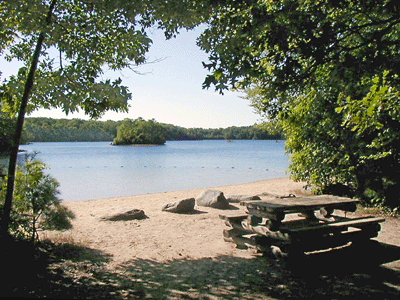
Pachaug State Forest in Connecticut

Voluntown, Conn. — The Uncas Health District is advising residents in southeastern Connecticut to protect themselves and their children from mosquitoes to reduce the chance of contracting eastern equine encephalitis (EEE) virus.

Mosquitoes trapped in the Pachaug State Forest in Voluntown on September 5, 2023 have tested positive for EEE. Voluntown is one of six towns with EEE infected mosquitoes identified in the state by the Connecticut Agricultural Experiment Station this year. The mosquitoes were Culiseta melanura (2) and Psorophora ferox (1). Connecticut residents are reminded to protect themselves from mosquito bites and mosquito-borne diseases.

“We encourage residents of southeastern Connecticut to take simple measures such as wearing mosquito repellent and covering bare skin, especially during dusk and dawn when mosquitoes are most active,” said Patrick McCormack, MPH, Director of Health.

EEE is a serious but rare illness caused by a virus that is transmitted by mosquitoes. Mosquitoes can only acquire the virus by feeding on infected wild birds. In most years, the virus is found only in species of mosquitoes which feed on birds, but occasionally the virus can be passed on to other mosquito species known to bite people and horses. The virus cannot be passed from person to person or from horses to humans. The risk of mosquito-transmitted diseases such as EEE virus usually increases through the late summer and early fall. Mosquitoes are active until the first heavy frost.

Infection with EEE virus can cause serious illness affecting the brain. Symptoms include high fever, headache, stiff neck, and decreased consciousness. The disease is fatal in 25-50 percent of cases and many of those who recover experience lasting health problems. Individuals with symptoms suggestive of EEE infection should contact their physician immediately. No human vaccine against EEE virus infection or specific antiviral treatment for clinical EEE virus infections is available.

To reduce the risk of being bitten by mosquitoes residents should:

  • Minimize time spent outdoors between dusk and dawn when mosquitoes are most active.
  • Be sure door and window screens are tight-fitting and in good repair.
  • Wear shoes, socks, long pants, and a long-sleeved shirt when outdoors for long periods of time, or when mosquitoes are more active. Clothing should be light colored and made of tightly woven materials that keep mosquitoes away from the skin.
  • Use mosquito netting when sleeping outdoors or in an unscreened structure and to protect babies when outdoors.
  • Consider the use of mosquito repellent, according to directions, when it is necessary to be outdoors.

Connecticut Mosquito Management Program

The State of Connecticut Mosquito Management Program is a collaborative effort involving the Department of Energy and Environmental Protection, the Connecticut Agricultural Experiment Station, the Department of Public Health, the Department of Agriculture, and the University of Connecticut Department of Pathobiology and Veterinary Science. These agencies are responsible for monitoring the potential public health threat of mosquito-borne diseases.

The CAES maintains a network of 108 mosquito-trapping stations in 89 municipalities throughout the state. Mosquito traps are set Monday through Thursday nights at each site every 10 days on a rotating basis. Mosquitoes are grouped (pooled) for testing according to species, collection site, and date. Positive findings are reported to local health departments and on the CAES website at http://www.ct.gov/caes/mosquitotesting.

For information on EEE and other mosquito-borne diseases, what can be done to prevent getting bitten by mosquitoes, the latest mosquito test results and human infections, visit the Connecticut Mosquito Management Program web site at https://portal.ct.gov/mosquito.

DPH announces second case of West Nile virus infection in CT this year

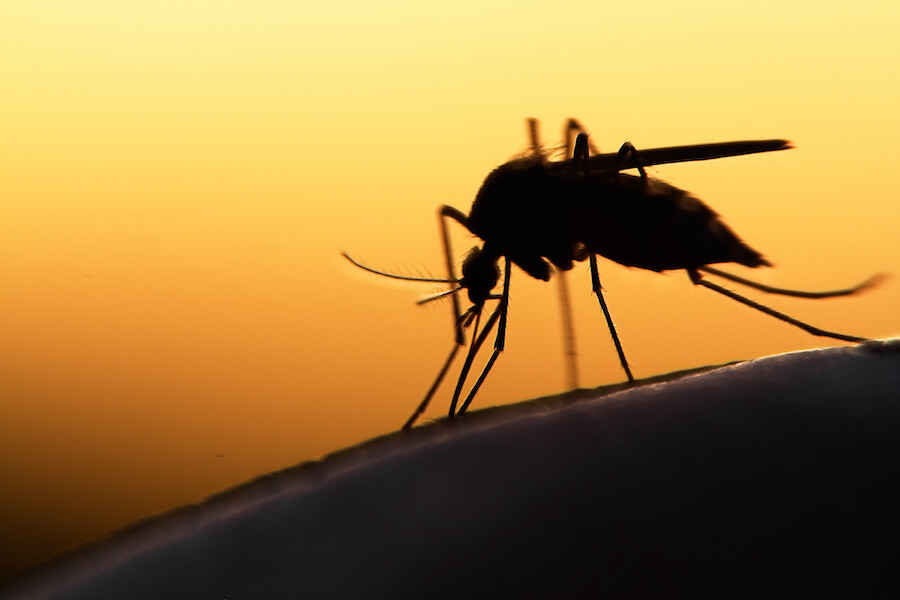
mosquito up close

Residents are advised to protect themselves and their children from mosquito bites

The Connecticut Department of Public Health (DPH) today announced that a Connecticut resident has tested positive for West Nile virus (WNV) infection. This is the second human case of WNV-associated illness identified in Connecticut this season.

The patient, who is between 50–59 years of age, became ill during the third week of August with West Nile meningoencephalitis, was hospitalized, and has recovered. Laboratory tests confirmed the presence of antibodies to WNV. This person is a resident of Hartford County.

“The identification of a Connecticut resident with West Nile virus associated illness requiring hospitalization emphasizes the potential seriousness of this infection,” said DPH Commissioner Manisha Juthani, MD. “As we approach the cooler weather, it is important to take precautions to avoid mosquito bites. Using insect repellent, covering bare skin, and avoiding being outdoors during the hours of dusk and dawn are effective ways to help keep you from being bitten by mosquitoes.”

“We continue to have weather conditions that are favorable for the mosquitoes that transmit West Nile virus,” added Philip Armstrong, ScD, medical entomologist at the Connecticut Agricultural Experiment Station. “These mosquitoes are most abundant in urban and suburban areas with dense human populations.  We anticipate continued risk for human infection until mosquito activity subsides in October.”

West Nile virus has been detected in Connecticut every year since1999 and is the most prevalent mosquito-borne disease in the U.S. Last year. Most people (eight out of 10) infected with WNV do not develop symptoms. About one in five people who are infected develop West Nile fever, an illness which includes fever and other symptoms, such as body aches, joint pain, headache, or a rash. About one out of 150 infected people develop a severe illness affecting the central nervous system. About one out of 10 cases of severe illness are fatal. People over the age of 60 are at highest risk of serious illness.

Tips for reducing mosquitoes around homes

Mosquitoes require water for reproduction. The following are measures that can help reduce mosquitoes:

  • Eliminate standing water suitable for mosquitoes. Dispose of water-holding containers, such as ceramic pots, used tires, and tire swings.
  • Drill holes in the bottom of containers such as those used for recycling.
  • Clean clogged roof gutters.
  • Turn over objects that may trap water when not in use, such as wading pools and wheelbarrows.
  • Change water in bird baths on a weekly basis.
  • Clean and chlorinate swimming pools. When pools are not in use, use pool covers and drain when necessary.

Tips for avoiding mosquito bites when outdoors

Mosquitoes require a blood meal for reproduction. The following are measures that can help reduce bites from mosquitoes that feed on people:

  • Minimize outdoor activities at dusk and dawn when mosquitoes are most active.
  • Wear shoes, socks, long pants, and long-sleeved shirts. Clothing material should be tightly woven and loose fitting.
  • Use mosquito netting when sleeping outdoors.
  • Consider the use of CDC-recommended mosquito repellents, containing DEET, picaridin, oil of lemon eucalyptus, IR3535, or 2-undecanone, and apply according to directions, when it is necessary to be outdoors.
  • When using DEET, use the lowest concentration effective for the time spent outdoors (for example, 6 percent lasts approximately two hours and 20 percent for four hours) and wash treated skin when returning indoors. Do not apply under clothing, to wounds or irritated skin, the hands of children, or to infants less than two months old.
  • Be sure door and window screens are tight fitting and in good repair to avoid mosquito bites when indoors.

The State of Connecticut Mosquito Management Program is a collaborative effort involving the Department of Energy and Environmental Protection, the Connecticut Agricultural Experiment Station, the Department of Public Health, the Department of Agriculture, and the University of Connecticut Department of Pathobiology and Veterinary Science. These agencies are responsible for monitoring the potential public health threat of mosquito-borne diseases.

The CAES maintains a network of 108 mosquito-trapping stations in 88 municipalities throughout the state. Mosquito traps are set Monday through Thursday nights at each site every ten days on a rotating basis. Mosquitoes are grouped (pooled) for testing according to species, collection site, and date. Positive findings are reported to local health departments and on the CAES website at http://www.ct.gov/caes/mosquitotesting.

For information on West Nile virus and how to prevent mosquito bites, visit the Connecticut Mosquito Management Program Web site at www.ct.gov/mosquito.

When to Take an At-Home COVID-19 Test

man taking COVID-19 Home Test

At-home COVID-19 testing is one of our best tools to prevent the spread of the virus-alongside getting vaccinated and boosted. COVID-19 vaccines are highly effective at preventing infection, hospitalization, and serious illness, but no vaccine prevents 100% of infections. As the virus continues to evolve and cases are projected to spike seasonally, at-home testing helps you to determine if you have COVID-19 so you can prevent spreading it to others. Here are key scenarios and considerations to help you determine when you should take an at-home COVID-19 test and what to do when you get your results.

[maxbutton id=”19″ url=”https://uncashd.org/wp-content/uploads/2023/08/When-to-take-a-home-COVID-test.pdf” text=”Download the Flyer” ]


When to Take an At-Home Covid-19 Test

  • You have symptoms of COVID-19.
    Refer to the CDC site for more information on COVID-19 symptoms.
  • You had close contact with someone who has COVID-19.
    Wear a high-quality mask after you find out you’ve been exposed, and get tested 5 days after exposure.
  • You will be with someone who is immunocompromised or at high risk for severe COVID-19.
    Wear a high-quality mask as an additional precaution.
  • You plan to attend an event or gathering.
    Consider testing right before you go to an indoor gathering as a precautionary measure.

If Your At-Home Covid-19 Test is POSITIVE

You should stay home and isolate away from others for at least 5 days after testing positive.

When to end isolation:

  • After 5 days if you have been fever-free for 24 hours and you had mild or asymptomatic COVID-19.
  • After 10 days if you had moderate or severe illness and/or you are immunocompromised. Consult your healthcare provider for further guidance.
  • If you ended isolation but your COVID-19 symptoms recur or worsen, you should restart your isolation from day 0 and consider re-testing.
  • Consider taking an at-home COVID-19 test to ensure you’re no longer infected.

Continued precautions:

  • After you have ended isolation and no longer experience symptoms, wear a high-quality mask through day 10 when around others.

Treatment and care:

  • If you experience severe symptoms, such as difficulty breathing or chest pain, seek medical care immediately.
  • If you are at high risk for severe COVID-19, consult your health care provider right away to discuss whether you need antiviral medication.

If Your At-Home Covid-19 Test is NEGATIVE

Re-test 24-48 hours after your first test, especially if you are continuing to experience symptoms. A negative test doesn’t rule out infection.

Continued precautions:

  • If you were exposed to COVID-19, take precautions to protect yourself and others (i.e. retesting, wearing a high­-quality mask) for 10 days after exposure, even if you test negative. Follow the CDC guidelines on COVID-19 exposure.
  • Knowing your COVID-19 Community Level can help you decide if you should take additional precautions, especially if you tested as a precaution before attending a gathering or spending time with someone at high risk.

Treatment and care:

  • If you continue to receive negative test results but symptoms persist, contact your healthcare provider.

Recommendations are from the CDC and current as of February 2023. For the latest COVID-19 information and testing guidelines, visit CDC.gov/coronavirus

Celebrate Labor Day Safely: Cookout Safety Tips from Uncas Health District

father and son using the grill

Labor Day weekend is here, and many of us are eagerly looking forward to the last summer cookout of the season. Whether you’re firing up the grill or setting up a picnic, it’s crucial to keep safety in mind to ensure an enjoyable holiday for everyone. We’ve compiled essential tips to make your Labor Day cookout fun and safe. From food preparation to grilling and responsible drinking, here’s how you can have a fantastic and worry-free celebration.

  • Food Safety: Prevent Cross-Contamination and ensure proper cooking temperatures
  • Cleanliness is Key: Before preparing food, ensure that your hands, utensils, and cooking surfaces are clean. This minimizes the risk of cross-contamination and the spread of harmful bacteria.
  • Separate Raw and Cooked Foods: Keep raw meats and seafood away from ready-to-eat foods to avoid cross-contamination. Use separate cutting boards and utensils for raw and cooked items.
  • Cook Thoroughly: Use a food thermometer to ensure that meats, poultry, and seafood are cooked to the recommended internal temperatures. This kills any harmful bacteria present.
  • Avoid Partial Cooking: Pre-cooking items like chicken in the oven and finishing them on the grill can lead to uneven cooking and an increased risk of foodborne illnesses. Cook meat entirely on the grill or oven.
  • Chill Perishable Foods: Keep perishable foods like salads, dips, and mayonnaise-based dishes chilled until serving time.

father grilling with children

Grilling Safety: Prevent Accidents and Mishaps

  • Choose the Right Location: Set up your grill in an open area away from structures, overhanging branches, and other potential fire hazards. This prevents accidental fires and keeps everyone safe.
  • Supervise the Grill: Never leave the grill unattended, especially when children or pets are around. Assign a responsible adult to monitor the grill and ensure it’s used safely.
  • Keep a Safe Distance: Maintain a safe zone around the grill. Keep children, pets, and combustible materials at least three feet away to prevent burns and accidents.
  • Use Long-Handled Tools: Grilling tools with long handles help you stay a safe distance from the flames and heat. This reduces the risk of burns and ensures better control while cooking.

Drinking in Moderation: Enjoy Responsibly and Drive Sober

  • Moderation Matters: If you choose to drink alcohol, do so in moderation. Excessive alcohol consumption can impair your judgment and coordination, increasing the risk of accidents.
  • Stay Hydrated: Alongside alcoholic beverages, provide plenty of non-alcoholic options like water, flavored waters, or mocktails. Staying hydrated is essential, especially on a warm day.
  • Designated Drivers: If alcohol is part of your celebration, plan for a designated driver or alternate transportation. Never drink and drive, as it endangers your life and the lives of others on the road.

As you gear up for your Labor Day cookout, remember that safety should be your top priority. By following these food safety, grilling safety, and responsible drinking tips from Uncas Health District, you can create lasting memories without compromising anyone’s well-being. Have a fantastic and safe Labor Day celebration!

For more grilling safety tips from the Connecticut Department of Public Health, click here.