January is National Cervical Cancer Awareness Month — What You Need to Know

woman with cervical cancer ribbon

January marks National Cervical Cancer Awareness Month. The American Cancer Society estimated there will have been about 13,960 new cases of invasive cancer diagnosed, and about 4,310 women will have died from cervical cancer in 2023. The 2020 CDC data for Connecticut shows there were 96 cases reported, equaling a cervical cancer rate of 4.8 per 100,000 women.

Anyone with a cervix is at risk for cervical cancer, increasing in people over the age of 30. Certain types of HPV are the main cause of cervical cancer. Screening tests and the HPV vaccine can help reduce the risk of cervical cancer. Click here to see more information about cervical cancer risk.

What is cervical cancer?

Cervical cancer starts in the cells lining the cervix — the lower part of the uterus (womb).

The cervix connects the body of the uterus (the upper part where a fetus grows) to the vagina (birth canal). Cancer starts when cells in the body begin to grow out of control.

The cervix is made of two parts and is covered with two different types of cells.

  • The endocervix is the opening of the cervix that leads into the uterus. It is covered with glandular cells.
  • The exocervix (or ectocervix) is the outer part of the cervix that can be seen by the doctor during a speculum exam. It is covered in squamous cells.

The place where these two cell types meet in the cervix is called the transformation zone. The exact location of the transformation zone changes as you get older and if you give birth. Most cervical cancers begin in the cells in the transformation zone.

Cervical Cancer Symptoms

Cervical cancer may not present with signs or symptoms in its early stages. Advanced cervical can cause bleeding or discharge from the vagina that is not normal for you. The best way to reduce risk is to see your doctor regularly, comply with screening recommendations, and report anything to your doctor that is not normal for you. See the attached documents for more detailed information.

Types of Treatment

If you are diagnosed with cervical cancer, you will be referred to a gynecologic oncologist to develop a treatment plan. Cervical cancer is treated in several ways. It depends on the kind of cervical cancer and how far it has spread. Treatments include surgery, chemotherapy, and radiation therapy.

  • Surgery: Doctors remove cancer tissue in an operation.
  • Chemotherapy: Using special medicines to shrink or kill the cancer. The drugs can be pills you take or medicines given in your veins, or sometimes both.
  • Radiation: Using high-energy rays (similar to X-rays) to kill the cancer.

 Insurance and Income: For those who are concerned they cannot afford care

Screening and treatment are covered under most insurance policies. But what if you, or someone you know, is uninsured or underinsured and cannot afford care? In Connecticut, the DPH has the Connecticut Early Detection & Prevention Program (CEDPP).

The CEDPP is an integrated program that brings breast and cervical cancer screening together with the WISEWOMAN, Colorectal Cancer, and Comprehensive Cancer programs, which helps promote healthy lifestyles for Connecticut Residents in order to decrease breast, cervical, and colorectal cancers, heart disease, hypertension, and other avoidable diseases. If you, or someone you know, needs to receive screening but cannot afford it, please go to the Early Detection and Prevention Program website to determine eligibility.

Cervical Cancer Facts


Chasing the Winter Blues Away: Minimizing the Impact of Seasonal Affective Disorder

woman impacted by seasonal affective disorder

As the days grow shorter and the temperatures drop, many people experience a shift in their mood and energy levels. This seasonal change can trigger a type of depression known as Seasonal Affective Disorder (SAD). SAD is characterized by a recurrent pattern of depressive symptoms that begin and end at about the same time each year, typically during the fall and winter months.

Symptoms of SAD:

  • Feeling sad or depressed most of the day.
  • Loss of interest or pleasure in activities you used to enjoy.
  • Changes in appetite or weight (overeating or loss of appetite).
  • Trouble sleeping or sleeping too much.
  • Feeling sluggish or having low energy levels.
  • Difficulty concentrating or making decisions.
  • Feeling hopeless or worthless.
  • Thoughts of suicide.

How SAD can impact your mental health

SAD can significantly impact various aspects of your mental health:

  • Reduced motivation and productivity: SAD can make it difficult to concentrate, complete tasks, and maintain your usual level of activity.
  • Social withdrawal: You may feel less inclined to socialize and participate in activities you used to enjoy, leading to feelings of isolation and loneliness.
  • Increased anxiety and stress: SAD can exacerbate existing anxiety and stress levels, making it even harder to cope with daily challenges.
  • Increased risk of suicidal thoughts and behaviors: In severe cases, SAD can lead to suicidal thoughts and behaviors.

Here are some helpful tips to minimize the impact of SAD:

Light therapy: Light therapy involves using a special light box that emits bright light similar to natural sunlight. Sitting in front of a light box for 30-60 minutes each morning can help regulate your body’s circadian rhythm and improve your mood.

Exercise: Regular exercise is a powerful mood booster and can help combat the symptoms of SAD. Aim for at least 30 minutes of moderate-intensity exercise most days of the week.

Get enough sleep: Aim for 7-8 hours of sleep each night. Maintaining a regular sleep schedule can help improve your mood and energy levels.

Eat a healthy diet: Eating a balanced diet rich in fruits, vegetables, and whole grains can help improve your mood and overall health.

Limit alcohol and caffeine: Alcohol and caffeine can worsen the symptoms of SAD. Try to limit your intake of these substances or avoid them altogether.

Spend time outdoors: Even on cloudy days, spending time outdoors can help improve your mood and energy levels. Make sure to dress warmly and bundle up in the winter months.

Connect with others: Social interaction is important for mental health. Make an effort to spend time with loved ones and participate in activities you enjoy.

Seek professional help: If your symptoms are severe or don’t improve with self-care, seek professional help from a therapist or counselor. They can provide you with additional support and guidance for managing SAD.

By taking steps to manage your SAD symptoms, you can enjoy a happier and healthier winter season.

988 suicide and crisis hotline

Additional resources:

By being proactive and implementing healthy coping strategies, you can overcome the challenges of SAD and embrace the winter months with a smile. Remember, you are not alone, and help is available.

Understanding the Difference: Common Cold vs. Flu

family with common cold

As the seasons change, seasonal illnesses like the common cold and influenza often increase, often leaving many unsure whether they’re battling a cold or the flu. In the 11 cities and towns that make up the Uncas Health District, understanding the differences between these ailments becomes crucial for timely treatment and prevention.

Symptoms

  • Common Cold:
    • Onset: Symptoms generally develop gradually.
    • Nasal Congestion: A runny or stuffy nose is a common symptom.
    • Sore Throat: Mild to moderate discomfort in the throat.
    • Sneezing and Coughing: Frequent sneezing and a mild, hacking cough are typical.
    • Mild Fatigue: Feeling tired or rundown may occur but is usually manageable.
  • Influenza (Flu):
    • Sudden Onset: Symptoms often hit abruptly and severely.
    • Fever: High fever (typically above 100.4°F or 38°C) is common and can last for several days.
    • Muscle Aches: Severe body aches and pains, sometimes affecting the entire body.
    • Fatigue: Overwhelming tiredness and weakness are typical and can last for weeks.
    • Dry Cough: A persistent and often severe cough is common.

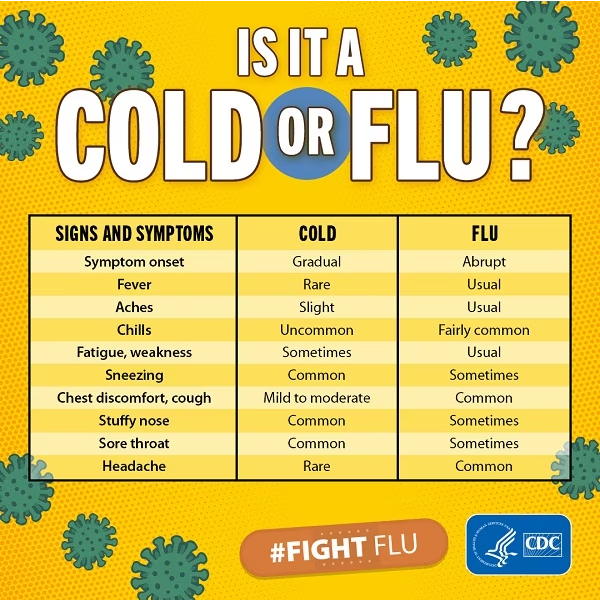
chart demonstrating differences between a cold and the flu

Differentiating Between Cold and Flu

  • Fever: While it’s possible to have a low-grade fever with a cold, higher fevers are more indicative of the flu.
  • Intensity of Symptoms: The flu tends to make you feel significantly more unwell compared to a common cold.
  • Duration: Colds usually last for about a week, while the flu can persist for longer periods, leaving you fatigued for weeks.

Seeking Medical Attention

If you suspect you have the flu, especially if you are at high risk for complications (children, the elderly, or those with underlying health conditions), it’s essential to consult a healthcare professional promptly. 

Preventative Measures

  • Vaccination: Yearly flu shots can significantly reduce your risk of contracting the flu.
  • Hygiene Practices: Regular handwashing, covering coughs and sneezes, and avoiding close contact with sick individuals can prevent the spread of both illnesses.

Understanding the differences between the common cold and influenza can drive appropriate health actions. By recognizing symptoms and taking preventative measures, individuals can navigate flu season with greater awareness and safeguard themselves against cold and flu.

Remember, while this information serves as a guide, consulting a healthcare professional for accurate diagnosis and treatment is crucial if you’re experiencing severe symptoms or are at high risk for complications.

For more information on differentiating the common cold from influenza, please visit: https://www.cdc.gov/flu/symptoms/coldflu.htm#

For a listing of Uncas Health District Flu Shot Clinics and other events, please click here.


Uncas Health District Offering Flu Vaccine Clinics Throughout December

young girl gets flu shot

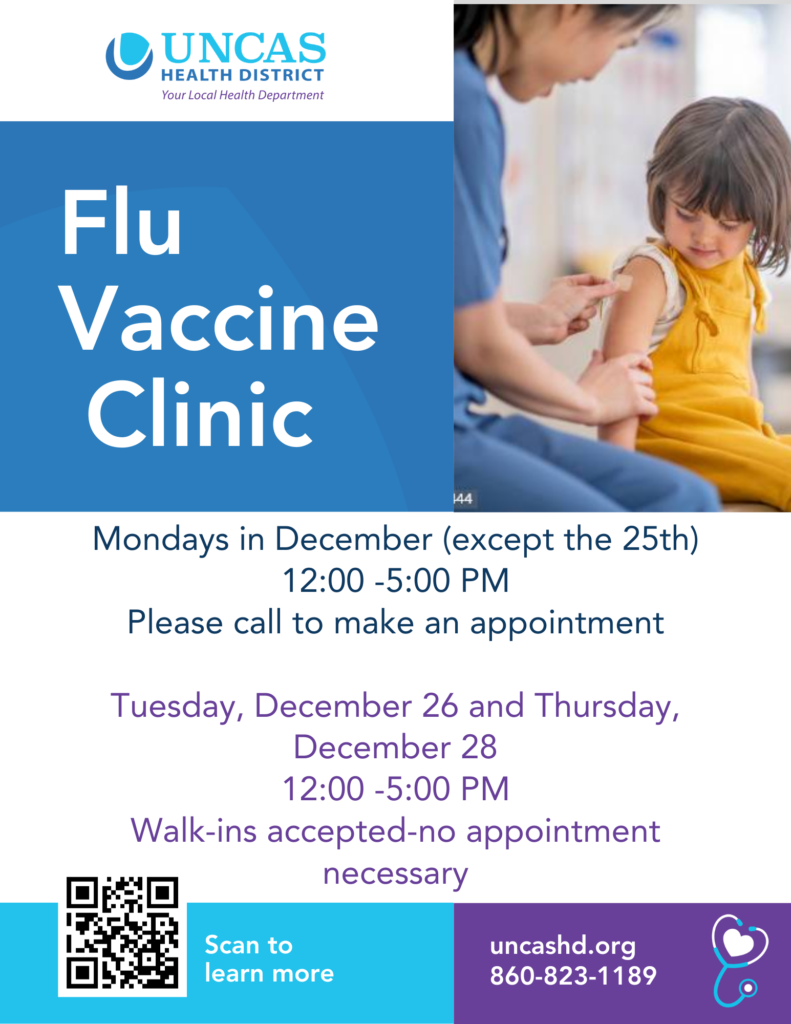
Uncas Health District will be offering a number of Flu Vaccine Clinics throughout December.


Mondays in December (except Dec. 25)

12:00 p.m. – 5:00 p.m.

Please call (860) 823-1189 to make an appointment.


Tuesday, December 26 + Thursday, December 28

12:00 p.m. – 5:00 p.m.

Walk-ins accepted. No appointment necessary. 


flu vccine clinic poster


DPH Confirms Connecticut’s First Flu and RSV Deaths of Season

Flu under a microscope

The Connecticut Department of Public Health (DPH) confirmed the first deaths of state residents due to influenza (flu) and respiratory syncytial virus (RSV) for the 2023-24 respiratory viral disease season. The influenza death occurred in an adult resident, 80-89 years old, from Middlesex County, and the RSV death occurred in an adult resident, 80-89 years old, from New Haven County. No other information on these patients will be released.

During October, 67 COVID-19-associated deaths have also been reported in Connecticut residents. Historically, in Connecticut, most deaths from COVID-19 have been among people aged 55 and older.

“This is a tragic reminder that the 2023-24 respiratory viral disease season is already an active one. As we approach the holidays, I strongly encourage all Connecticut residents to make sure they are up to date on their seasonal vaccines, particularly older individuals and those with multiple medical conditions,” said DPH Commissioner Manisha Juthani, MD. “Even if you have had COVID before and have been previously vaccinated, our immunity dwindles over time. Getting vaccinated this fall will help you protect yourself and other members of your family as we enter the holiday season. In addition, preventing illnesses, even if they might have been mild infections, will help keep our children in school and adults at work. A healthier society at large will help all of us live our best lives.”

The current vaccine guidance to prevent respiratory viral diseases is:

  • Everyone 6 months of age or older should receive an annual dose of influenza vaccine.
  • Everyone 6 months of age or older should receive an updated COVID-19 vaccine.
  • Adults 60 and older and pregnant people are eligible to receive an RSV vaccine (Abrysvo). A monoclonal antibody, Nirsevimab (Beyfortus), is recommended for all infants younger than 8 months of age who are born during—or who are entering—RSV season.
  • The spread of respiratory viruses like the flu, COVID-19, and RSV can also be prevented through proper respiratory virus etiquette. These practices include hand-washing, remaining home when sick, disinfecting surfaces, and masking if you have any respiratory symptoms.
  • Residents can receive their vaccines from their healthcare provider, a retail pharmacy, or by visiting vaccines.gov to find a vaccination location near you. Additionally, DPH and the Connecticut Immunization Coalition are partnering with local health departments throughout the state on numerous vaccine clinics for children and adults. The entire schedule of local health clinics can be accessed at https://datawrapper.dwcdn.net/aWVXd/5/.

More information about respiratory viral diseases is available at https://portal.ct.gov/DPH/Infectious-Diseases/RVD/Respiratory-Viral-Disease-Surveillance.

National Diabetes Month: Take Charge of Your Tomorrow

national diabetes month


November is National Diabetes Month, a time to raise awareness about diabetes and its prevention. Diabetes is a chronic disease that affects millions of people around the world. It occurs when the body is unable to properly produce or use insulin, a hormone that helps regulate blood sugar levels.

The theme of National Diabetes Month 2023 is “Take charge of tomorrow: Preventing diabetes health problems.” This theme emphasizes the importance of taking steps to prevent the complications of diabetes, such as heart disease, stroke, kidney disease, and blindness.

There are many things that people can do to prevent diabetes and its complications, including:

  • Eating a healthy diet: This means eating plenty of fruits, vegetables, and whole grains, and limiting processed foods, sugary drinks, and unhealthy fats.
  • Being physically active: Aim for at least 30 minutes of moderate-intensity exercise most days of the week.
  • Maintaining a healthy weight: Excess weight can increase the risk of developing diabetes.
  • Quitting smoking: Smoking damages the blood vessels and makes it harder for the body to control blood sugar levels.
  • Getting regular checkups: If you have prediabetes or diabetes, it is important to see your doctor regularly for checkups and screenings.

Here are some additional tips for preventing diabetes-related health problems:

  • Manage your blood sugar levels: This is the most important thing you can do to prevent diabetes complications. Work with your doctor to develop a blood sugar management plan that is right for you.
  • Get regular blood pressure checks: High blood pressure can damage the blood vessels and increase the risk of heart disease, stroke, and kidney disease. If you have high blood pressure, work with your doctor to lower it.
  • Control your cholesterol levels: High cholesterol levels can also damage the blood vessels and increase the risk of heart disease and stroke. Work with your doctor to keep your cholesterol levels in check.
  • See your doctor for regular eye exams: Diabetes can damage the blood vessels in the eyes and lead to blindness. Early detection and treatment can help prevent vision loss.
  • See your dentist for regular checkups and cleanings: People with diabetes are at increased risk for gum disease and tooth loss. Regular dental care can help keep your teeth and gums healthy.
  • National Diabetes Month is a time to take charge of your health and learn more about how to prevent diabetes and its complications. By following the tips above, you can reduce your risk of developing diabetes and its complications and live a long and healthy life.

American Diabetes Association Recognized Diabetes Education Programs in Connecticut

Connecticut-based insurance and Medicare Part B must cover diabetes education. Co-pays and deductibles apply. You’ll need a physician/qualified non-physician referral.

Sponsoring Organization: Yale New Haven Health System
Site/Program Name: Bridgeport Hospital
Address: 267 Grant Street, Bridgeport, CT, 06610
Phone: 203-384-4553
https://www.bridgeporthospital.org/
[email protected]


Sponsoring Organization: Bristol Hospital
Site/Program Name: Living Well with Diabetes-Education and Self-Management
Address: 102 North Street, Bristol, CT, 06010
Phone: 860-940-6300
http://www.bristolhospital.org/Services/Diabetes-Care/ADA-Recognition.aspx
[email protected]


Sponsoring Organization: Western Connecticut Health Network
Site/Program Name: The Diabetes Self-Management Program of Danbury Hospital
Address: 41 Germantown Road, Suite B03, Danbury, CT, 06810
Phone: 203-739-4980
http://www.danburyhospital.org/departments/diabetes-and-endocrinology-services-at-danbury-hospital
[email protected]


Sponsoring Organization: Griffin Faculty Physicians
Site/Program Name: Live Well Diabetes Self-Management Workshop
Address: 67 Maple St Derby, CT 06418
Phone: 203-732-1137
[email protected]
Note: Must be patient of Griffin Faculty Physicians, request referral from your provider


Sponsoring Organization: University of Connecticut Health Center
Site/Program Name: Diabetes Self-Management Education Program
Address: 263 Farmington Avenue, Farmington, CT, 06030
Phone: 860-679-3245
http://health.uconn.edu/diabetes/diabetes-self-management-education-program/


Sponsoring Organization: Yale New Haven Health System
Site/Program Name: Greenwich Hospital Center for Behavior & Nutritional Health
Address: 55 Holly Hill Lane, Greenwich, CT, 06830
Phone: 203-863-2939
https://www.greenwichhospital.org/services/diabetes-endocrinology.aspx
[email protected]

Sponsoring Organization: Saint Francis Hospital and Medical Center
Site/Program Name: Diabetes Care Center
Address: 114 Woodland Street, Hartford, CT, 06105
Phone: 860-714-4402
https://www.stfranciscare.org/diabetes/
[email protected]


Sponsoring Organization: Community Health Services, Inc.
Site/Program Name: Diabetes Self-Management Education Program
Address: 500 Albany Avenue, Hartford, CT, 06120
Phone: 860-249-9625 (Press 0)
www.chshartford.org/
Elaine Hamilton, RD, CDE

Sponsoring Organization:. Charter Oak Health Center
Site/Program Name: Diabetes Self-Management Education Program
Address: 21 Grand Ave, Hartford, CT, 06106
Phone: 860- 550-7500
www.thecharteroak.org
Diane Bussolini, RD, CDE


Sponsoring Organization: Hartford Hospital
Site/Program Name: Diabetes Life Care Center at Hartford Hospital
Address: 85 Seymour Street, Hartford, CT, 06102-5037
Phone: 860-972-3526
https://hartfordhospital.org/File%20Library/Services/Diabetes/group-class-outline-of-topics.pdf


Sponsoring Organization: Eastern Connecticut Health Network, Inc.
Site/Program Name: Manchester Memorial Hospital
Address: 71 Haynes Street, Manchester, CT, 06040
Phone: 860-647-6824
http://www.echn.org/Services/Diabetes.aspx


Sponsoring Organization: MidState Medical Center
Site/Program Name: Diabetes Self-Management & Nutrition Center
Address: 61 Pomeroy Avenue, Meriden, CT, 06450
Phone: 203-694-5425
https://www.midstatemedical.org/services_clinical_diabetes.aspx
[email protected]


Sponsoring Organization: Middlesex Hospital
Site/Program Name: Diabetes Self-Management Education Program
Address: 28 Crescent Street, Middletown, CT, 06457
Phone: 860-358-5421
https://middlesexhospital.org/our-services/hospital-services/diabetes


Sponsoring Organization: The Hospital of Central Connecticut
Site/Program Name: Diabetes Center
Address: 100 Grand Street, New Britain, CT, 06050
Phone: 860-224-5672
http://thocc.org/services/diabetes-endocrinology


Sponsoring Organization: Yale New Haven Health System
Site/Program Name: Hospital Outpatient Services
Address: 20 York Street, New Haven, CT, 06504
Phone: 203-688-2422
[email protected]


Sponsoring Organization: Lawrence & Memorial Hospital Medical Group
Site/Program Name: Joslin Diabetes Center affiliate at Lawrence & Memorial Hospital
Address: 194 Howard Street, New London, CT, 06320
Phone: 860-444-4737
http://www.joslin.org/ape/default.asp
[email protected]


Sponsoring Organization: New Milford Hospital
Site/Program Name: Diabetes Self-Management Education Program
Address: New Milford Hospital 21 Elm Street New Milford, CT, 06776
Phone: 860-210-5393
http://www.newmilfordhospital.org/departments/diabetes-endocrinology-and-nutrition-services-at-new-milford-hospital/diabetes-endocrinology-and-nutrition-services/nutrition-services-and-classes
[email protected]


Sponsoring Organization: Norwalk Hospital
Site/Program Name: Diabetes Self-Management Education Program
Address: 34 Maple Street, Norwalk, CT, 06856
Phone: 203-852-2181
http://www.norwalkhospital.org/departments/diabetes-and-endocrinology-services-at-norwalk-hospital


Sponsoring Organization: William W. Backus Hospital
Site/Program Name: Diabetes Self-Management Education Program
Address: 111 Salem Turnpike, Norwich, CT, 06360
Phone: 860-892-6906
https://backushospital.org/our-services/endocrinology/programs-classes/


Sponsoring Organization: Lawrence & Memorial Hospital Medical Group
Site/Program Name: Joslin Diabetes Center affiliate at Lawrence & Memorial Hospital
Address: 91 Voluntown Road, Stonington, CT, 06379
Phone: 860-444-3366
https://www.lmhospital.org/locations/stonington.aspx
[email protected]


Sponsoring Organization: The Stamford Hospital
Site/Program Name: Diabetes Self-Management Education Program
Address: 292 Long Ridge Rd., Stamford, CT, 06902
Phone: 203-276-7286
www.stamfordhealth.org
[email protected]


Sponsoring Organization: Charlotte Hungerford Hospital
Site/Program Name: Hungerford Diabetes Center
Address: 780 Litchfield Street, Torrington, CT, 06790
Phone: 860-489-0661, Ext. 4
http://www.charlottehungerford.org
[email protected]


Sponsoring Organization: VA Healthcare System/VA Connecticut
Site/Program Name: Diabetes Self-Management Education Program
Address: 950 Campbell Avenue West Haven, CT, 06516
Phone: 203-932-5711 Ext. 5189
www.connecticutva.gov
[email protected]


Sponsoring Organization: Windham Community Memorial Hospital and Hatch Hospital Corporation
Site/Program Name: Windham Community Hospital Diabetes Education Program
Address: 112 Mansfield Avenue Willimantic, CT, 06226
Phone: 860-456-6727
www.windhamhospital.org
[email protected]

Reminder: Flu Vaccinations for Young Children Required by Dec. 31

December 31 deadline

Attention Connecticut parents with children under 5: The clock is ticking on getting your little ones ready for flu season. To keep everyone healthy and happy in classrooms this winter, remember that Connecticut immunization regulations require a minimum of one dose of influenza vaccine for children under five each year between August 1st and December 31 to attend Connecticut schools.

Why is this important?

  • Protecting your child: Flu can be especially serious for young children, leading to hospitalization and even death. Vaccination is the best way to shield your little one from the flu.

  • Protecting the community: Children spread germs easily, so vaccinating them helps protect vulnerable individuals at school, like younger siblings or teachers with health conditions.

  • Staying in school: Missing school due to illness can disrupt learning and set kids back. Vaccination means fewer sick days and more fun exploring the world with their classmates.

Getting your child vaccinated is easy!

  • Check with your pediatrician: They can answer any questions you have and administer the vaccine during a regular checkup.

  • Other flu clinics: Many health departments and community centers offer free or low-cost flu shots. Find a clinic near you at ct.gov/flu.

  • Remember, the Connecticut Vaccine Program provides vaccines at no cost to all children under 19, regardless of insurance status.

Don’t delay – December 31st is coming fast! Make sure your child is flu-protected and ready for a healthy, happy school year. Let’s all work together to keep our classrooms germ-free and our kids smiling!

Additional tips:

  • Talk to your pediatrician about the specific type of flu vaccine recommended for your child’s age.

  • Schedule your child’s appointment early to avoid a last-minute rush.

  • Remember, even vaccinated children can still get the flu, so continue good hygiene practices like handwashing and staying home when sick.


Connecticut Department of Public Health stresses lead prevention safety

lead poisoning prevention week

Oct. 22 – 28 is National Lead Poisoning Prevention Week. This awareness campaign aims to bring together individuals, organizations, industry, and state, tribal, and local governments to increase lead poisoning prevention awareness in order to reduce childhood exposure to lead.

NLPPW highlights the many ways parents and caretakers can reduce children’s exposure to lead in their environment and prevent its serious health effects. The U.S. Department of Housing and Urban Development, the U.S. Environmental Protection Agency, the Centers for Disease Control and Prevention, and other partners work to heighten awareness of lead poisoning, provide resources, and encourage preventive actions during NLPPW and beyond.

“The most common source of exposure to lead is from lead-based paint. Lead paint is most commonly found in older homes built before 1978,” said Connecticut Department of Public Health Commissioner Manisha Juthani, MD. “It is estimated that roughly 70% of Connecticut’s housing stock was built before 1980. Lead paint becomes dangerous when it cracks, peels, or chips off painted surfaces. Young children are at an increased risk of exposure due to their frequent exploration and hand-to-mouth behavior. Children absorb lead more easily than adults because they are still growing and developing.”

Commissioner Juthani added that the rate of lead-poisoned children in Connecticut has declined over the years; however, lead-related health disparities continue to exist. DPH data show that those living in urban communities and low-income families are at an increased risk.

Additionally, non-Hispanic Black, non-Hispanic Asian, and Hispanic children in Connecticut are at greater risk for lead poisoning than Non-Hispanic White children. (Note: these groups are 2.6, 2.0, and 2.2 times more likely to be lead poisoned, respectively.)

The Connecticut Department of Public Health is issuing the following prevention reminders for the community:

The only way to know if a child has been exposed to lead is to have them screened by a medical provider.

  • Connecticut mandates universal blood lead screening, and all children are required to be tested annually between the ages of 9 months and 35 months.
  • While Connecticut is doing a good job of having children tested at least once before the age of 3, only approximately 60% of children receive two tests before the age of 3.

Talk to your child’s medical provider about blood lead screening, especially if your young child has not been tested for lead.

Parents and caregivers can reduce their child’s exposure to lead in the home.


Updated COVID-19 vaccines are available — find out where to get yours

senior citizen shows off COVID vaccine

Although COVID-19 vaccines have been widely available for nearly 3 years, millions of people still have not been vaccinated. Additionally, the virus is constantly evolving, and new variants that are more transmissible and/or resistant to vaccines can emerge.

That is why it is still crucial for those who have not yet been vaccinated to get their COVID-19 vaccines and for those who have been vaccinated to get their 2023-2024 updated COVID-19 vaccines.

Key reasons why to get your COVID-19 vaccine

  • Vaccines are the best way to protect yourself from serious illness, hospitalization, and death from COVID-19. According to the Centers for Disease Control and Prevention (CDC), unvaccinated people are more likely to be hospitalized or die from COVID-19 than vaccinated people.
  • Vaccines can also help to reduce the spread of COVID-19 to others. When more people are vaccinated, the virus has fewer opportunities to spread. This is especially important for protecting people at high risk of serious illness from COVID-19, such as older adults and people with underlying medical conditions.
  • The updated COVID-19 vaccines are designed to protect against the Omicron variant, which is the most common variant circulating in the United States. The CDC recommends that everyone 6 months and older get an updated COVID-19 vaccine in the fall of 2023.

Even if you have already been vaccinated against COVID-19, it is important to get an updated vaccine. This is because your immunity to the virus can decrease over time, and the updated vaccines are designed to protect against the latest variants.

According to the CDC’s COVID-NET hospitalization surveillance system, the COVID-19 hospitalization rate for unvaccinated people aged 65 years and older in the United States was 10.9 times higher than the rate for people of the same age who received an updated COVID-19 bivalent booster dose in January 2023.

This data shows that getting a COVID-19 booster vaccine is highly effective at reducing the risk of hospitalization from COVID-19, especially for older adults.

It is important to note that the COVID-19 hospitalization rate for all people aged 65 years and older has decreased significantly since the start of the pandemic. This is due in large part to the high vaccination and booster rates among this age group. However, the risk of hospitalization from COVID-19 is still higher for unvaccinated older adults.

If you have not yet received a COVID-19 booster vaccine, it is recommended to do so as soon as possible. Vaccination is the best way to protect yourself from serious illness, hospitalization, and/or death from COVID-19.

Where to get COVID-19 vaccines

People can get an updated COVID-19 vaccine at a variety of locations, including:

  • Pharmacies such as CVS, Walgreens, and Rite Aid
  • Doctor’s offices
  • Vaccination Clinics

To find a location near you, you can use the CDC’s Vaccine Finder tool: https://www.vaccines.gov/ 

You can also contact Uncas Health District to find out where you can get an updated COVID-19 vaccine.

2023 International Infection Prevention Week: Tips for avoiding infections from medical facilities

Infection Prevention

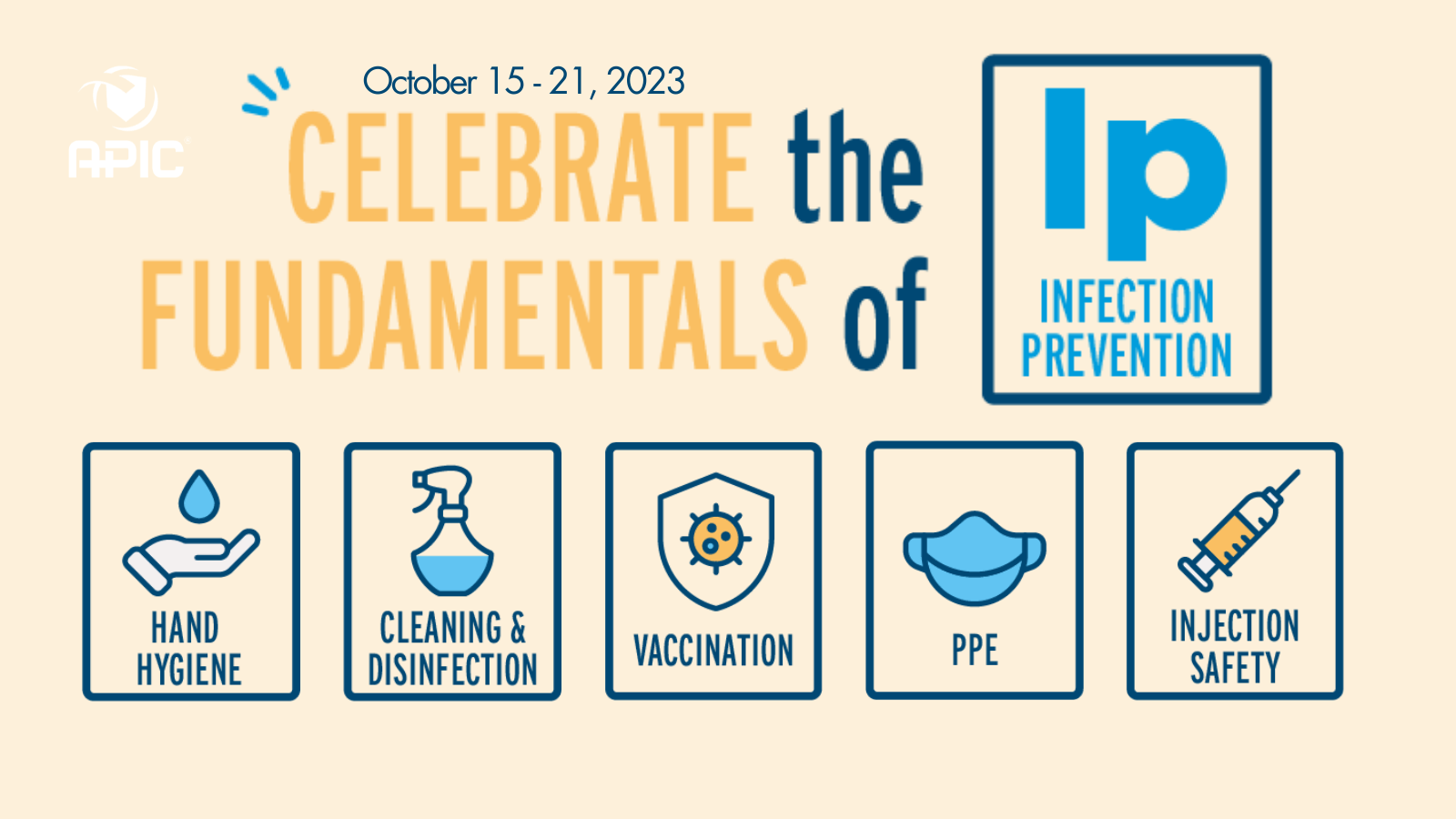
International Infection Prevention Week (IIPW) is an annual observance in mid-October to raise awareness of the importance of infection prevention and control. The 2023 IIPW theme, “Celebrating the Fundamentals of Infection Prevention,” highlights the importance of simple yet effective infection prevention measures, such as hand hygiene, vaccination, and proper cleaning and disinfection.

According to the Infection Prevention and You website, 1 in 31 patients receiving care in a hospital will get a healthcare-associated infection (HAI). HAIs can be serious and even life-threatening, and they can add to the cost and length of hospital stays.

Tips for avoiding infections from medical facilities

There are a number of things you can do to reduce your risk of getting an HAI, including:

  • Clean your hands often. This is the single most important thing you can do to prevent the spread of infection. Wash your hands with soap and water for at least 20 seconds, or use an alcohol-based hand sanitizer.
  • Get vaccinated. Vaccines are one of the best ways to protect yourself from infectious diseases, including some HAIs. Talk to your doctor about which vaccines are right for you.
  • Ask questions. Don’t be afraid to ask your healthcare providers about their infection prevention practices. You have the right to know what they are doing to protect you from infection.
  • Speak up. If you have any concerns about infection prevention, speak up to your healthcare providers. You are your own best advocate.

Here are some additional tips:

  • Choose a reputable medical facility. Do some research before choosing a hospital or other medical facility. Look for facilities that have a good reputation for infection prevention.
  • Be aware of your surroundings. Pay attention to the cleanliness of the medical facility and the healthcare providers. If you see anything that concerns you, speak up.
  • Take care of yourself. Make sure you are getting enough sleep, eating a healthy diet, and exercising regularly. This will help you stay healthy and reduce your risk of infection.

By following these tips, you can help reduce your risk of getting an HAI. Remember, infection prevention is everyone’s responsibility. Working together can create a safer and healthier healthcare environment for everyone.