Food Handler Certification Course — June 10th

Ledge Light Health District is offering a ServSafe Certified Food Protection Manager Course on Monday, June 10th, 2024, from 8:00 am to 2:00 pm.

The Place for CommUNITY (74 Garfield Avenue, New London, CT) will host the class. Seating is limited, so register early to secure your spot!

The cost of $175.00 includes your course book and exam.

Registration Required By June 4th

  • Call the Ledge Light Health District at 860-448-4882 or email [email protected]
  • Pick up your course book at 216 Broad Street, New London by Tuesday, June 4th.

Important Notes

  • The course is taught in English, but exams are available in other languages.
  • Translators can be present during the course only.
  • Special accommodations may be available; inquire at registration.

More Information/Registration Form

Hepatitis Awareness Month: Get Tested. Get Treated. Get Cured. 

Hepatitis Awareness Month

May is Hepatitis Awareness Month, an opportunity to talk about a serious liver disease and to empower the community to take control of their health. It’s also a call to action for those over 18 to Get Tested. Get Treated. Get Cured.

According to The Centers for Disease Control (CDC), Hepatitis C is curable in more than 95% of cases. Early detection and timely treatment are key to preventing liver damage and further spread. That’s why Uncas Health District is highlighting the importance of Hep-C testing.

About Hepatitis C

Hepatitis C is a viral infection that attacks the liver. It’s important to understand the different forms:

  • Acute Hepatitis C: This is the short-term form of the disease. Many people experience no symptoms or mild flu-like symptoms that go unnoticed. Early detection is crucial, as some people can fight off the virus naturally.
  • Chronic Hepatitis C: If left untreated, acute Hepatitis C can progress to chronic Hepatitis C. This is a long-term infection that can damage the liver over time, potentially leading to cirrhosis (scarring) or even liver failure.

Who should get tested for Hep-C?

The Centers for Disease Control and Prevention (CDC) recommends Hepatitis C testing for everyone over the age of 18. Certain factors put you at higher risk, including:

  • Sharing needles or syringes with others
  • Having a history of blood transfusions before 1992
  • Having tattoos or piercings done with unsterile equipment
  • Having unprotected sex with someone who has Hepatitis C

Don’t wait for symptoms of Hepatitis C

Hepatitis C often has no noticeable symptoms in its early stages. The best way to know your status is to get tested. The good news? Hepatitis C is now highly curable with safe and effective medications. Early detection is key to preventing serious liver damage and getting the treatment you need to live a healthy life.

Get tested for Hep-C at Uncas Health District

Join us in raising awareness during Hepatitis C Awareness Month! Here’s how you can get involved:

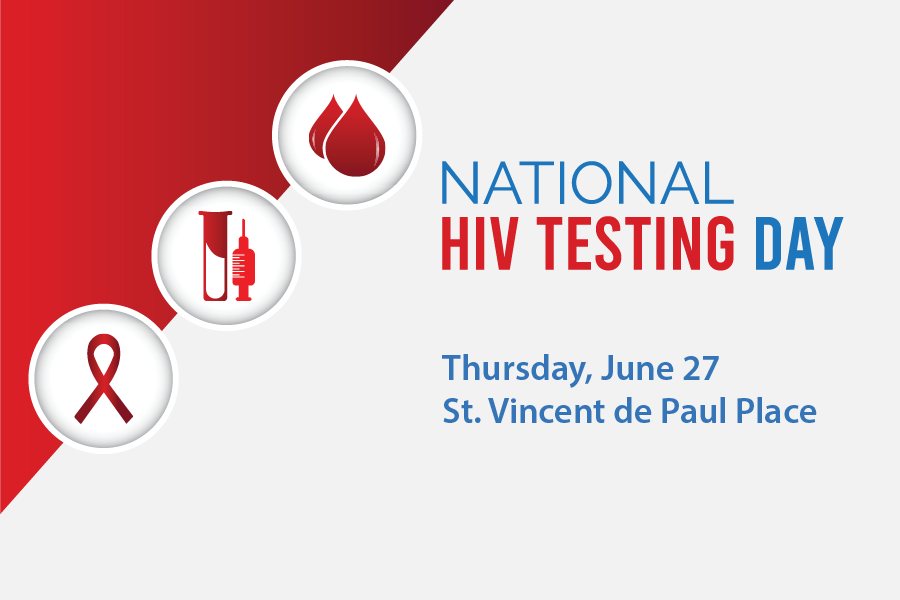
  • National Hepatitis Testing Day: On May 17th, Uncas Health District will offer free Hepatitis C testing at St. Vincent dePaul Place in Norwich from 9:00 a.m. until 3:00 p.m.
  • Mobile Health Team: We also offer testing through our Mobile Health Team, which brings vital services directly to communities throughout Uncas Health District.

Talk to your Doctor about Hep-C

Schedule an appointment with your doctor and ask about getting tested for Hepatitis C. Getting tested is a simple step towards protecting your health and well-being. Together, let’s make Hepatitis C a thing of the past!

Uncas Health District: We’re here for you

For more information on Hepatitis C testing and prevention or when our Mobile Health Team will be in your area, please visit our website.

Where to Find Free Narcan Distribution Boxes in Uncas Health District

naloxone cartridge in woman's hand

In the fight against opioid overdoses, access to naloxone, commonly known as Narcan, is critical. Naxolone can reverse the effects of an opioid overdose, potentially saving lives in crucial moments of crisis. However, access to naloxone has been an issue, hindering its potential to prevent tragic outcomes. Locally, an initiative led by NLC Cares is making significant strides in addressing this gap.

NLC Cares, through grant funding, has installed more than a dozen free naloxone distribution boxes throughout New London County. These boxes are located in central areas, ensuring that naloxone is readily available when needed. Among these locations are four within the Uncas Health District, making this life-saving medication easily accessible to the community:

  1. Montville Old Town Hall, 310 Norwich-New London Turnpike, Uncasville
  2. Taftville VFD, 134 Providence St, Taftville
  3. Matt’s Mission, 70 Main St, Jewett City
  4. Greeneville Fire Station, 446 North Main St, Norwich

The placement of these distribution boxes represents a tangible effort to empower individuals and communities to respond effectively to opioid-related emergencies. Each box contains naloxone kits along with instructions for use, ensuring that even those without prior training can administer the medication confidently.

One crucial aspect of NLC Cares’ initiative is the emphasis on education and training. While naloxone can reverse an overdose, knowing how to use it correctly is paramount. Recognizing this, the Uncas Health District offers training sessions to equip community members with the necessary skills to administer naloxone safely. These training sessions not only demystify the process but also instill confidence in individuals to intervene effectively during emergencies. Contact Uncas Health District.

The simplicity of naloxone administration underscores its potential to save lives. With proper training, anyone can learn to recognize the signs of an opioid overdose and administer naloxone promptly. This empowers communities to take proactive measures in combating the opioid crisis.

Moreover, initiatives like NLC Cares serve as a testament to the power of grassroots efforts in addressing public health challenges. By collaborating with local organizations and leveraging community resources, tangible solutions can be implemented to tackle complex issues.

Access to naloxone is not just a matter of convenience; it can be a matter of life and death. Organizations like NLC Cares are paving the way for greater accessibility to this vital medication, ensuring that no life is lost to opioid overdose due to lack of access. Coupled with education and training, naloxone distribution programs are instrumental in saving lives and building resilient communities in the face of the opioid epidemic.

National Infant Immunization Week: Protecting Our Littlest Ones

infant receiving vaccine

Every year in April, we celebrate National Infant Immunization Week (NIIW), a dedicated time to raise awareness about the importance of protecting infants and young children from vaccine-preventable diseases (VPDs). This year, NIIW runs from April 22nd to 29th, 2024.

Why Vaccines Matter

Vaccines are one of the most successful and cost-effective public health tools we have. They work by exposing the body to a weakened or inactive form of a virus or bacteria, which helps the body develop immunity without getting a full-blown illness. This protects not only the vaccinated child but also those around them, creating a herd immunity effect that benefits the entire community.

Focus on Staying on Track with Vaccinations

The COVID-19 pandemic has disrupted many aspects of our lives, including well-child visits and childhood vaccinations. This NIIW, the Centers for Disease Control and Prevention (CDC), and the American Academy of Pediatrics (AAP) want to emphasize the importance of getting your child back on track with their recommended vaccinations.

Getting Back on Schedule

If your child’s vaccinations have been delayed, don’t worry! It’s not too late to catch up. Talk to your doctor about creating a plan to get your child current on their immunizations. Remember, on-time vaccination is critical for protecting against potentially life-threatening diseases like whooping cough (pertussis) and measles.

Access Your Child’s Vaccination Records

Visit the State of Connecticut Immunization Program here.

The CT WiZ Public Portal allows individuals who were vaccinated in Connecticut to access their immunization records, while parents and guardians can also access their minor child’s records.  Check your and/or your child’s immunization record here.

Together, we can ensure that all children are protected from vaccine-preventable diseases. This NIIW, let’s recommit to staying on track with childhood immunizations.

Uncas Health District Offering Free Gun Locks to Promote Firearm Safety

gun lock

Uncas Health District is committed to promoting safety in our community, including firearm safety. We are pleased to announce that we are offering free gun locks to residents while supplies last.

Gun safety is critical for everyone. Each year, nearly 500 people die from unintentional firearm injuries. These tragedies can often be prevented with proper storage and handling of firearms.

One study found that the most common reasons for unintentional gun deaths include:

  • Playing with a gun (28%) – This highlights the importance of keeping firearms out of the reach of children.
  • Believing the gun was not loaded (17%) – Always double-check that a firearm is unloaded before storing it.
  • Hunting accidents (14%) – Proper gun handling and safety training are essential during hunting seasons.

Gun locks are a simple and effective way to help prevent these accidents. They provide an extra layer of security by making it difficult for unauthorized individuals to access and fire a weapon.

Free Gun Locks Available

Uncas Health District is offering free gun locks to residents.  These locks are a valuable tool for promoting gun safety in your home.  Supplies are limited, so don’t miss out on this opportunity.

How to Get Your Free Gun Lock

To arrange to pick up your free gun lock, please contact Connie at Uncas Health District at 860-823-1189 (x122) or visit us during regular business hours.

CDC Statistics on Firearm Injuries and Deaths

Flu Update: 51 New Cases Reported in First Week of April

Flu Update - April 6, 2024
2023-24 continues to be a busy flu season, as 51 new influenza cases were identified in the 11 cities and towns of the Uncas Health District, according to April 6, 2024, data from the Connecticut Department of Health. This week’s reported numbers bring the flu season total to 987 cases in the district.
Those aged 18-49 represent the largest group for positive flu cases, comprising 379 of the total cases reported, followed by 5-17-year-olds with 208 cases. It is important to note that influenza cases are only reported if there is a hospitalization or if the positive test comes from a minor.
Flu Reporting Numbers

To help prevent the spread of flu and other illnesses, please remember to:

  • Wash your hands frequently with soap and water, especially after being in public places or around sick people.
  • Cover your coughs and sneezes with a tissue or your elbow to prevent spreading germs.
  • Stay home if you’re feeling unwell to avoid making others sick.

Stay safe and healthy!

Additional Flu Resources

Ticked Off — Your Guide to Tick Removal and Lyme Disease Prevention

tick on a blade of grass

Living in Connecticut, we all cherish our state’s natural beauty. But with those scenic woodlands and brushy fields comes a potential health threat: ticks. These tiny arachnids can transmit Lyme disease, the most common vector-borne illness in the United States. Did you know that in Connecticut alone, an estimated 30,000 people contract Lyme disease each year? That’s a significant number, highlighting the importance of awareness and preventive measures.

The danger lies not just in the prevalence of ticks but also in the possibility of them carrying Lyme disease. While not all ticks are infected, about 30% of ticks in Connecticut can transmit the bacteria. Left untreated, Lyme disease can cause a range of health problems, from fatigue and joint pain to neurological issues and heart complications.

Minimizing Your Risk

So, how can you minimize your risk of encountering ticks and Lyme disease? Here are some key strategies:

  • Dress for Defense: Wear long pants and long-sleeved shirts when spending time outdoors. Tuck your pants into your socks for added protection.
  • Repel the Threat: Use insect repellent containing DEET, picaridin, or IR3535 on your clothing and exposed skin. Follow product instructions carefully.
  • Mind Your Surroundings: Stick to cleared trails and avoid tall grass and brushy areas where ticks are more likely to be present.

What to Do if You Find a Tick

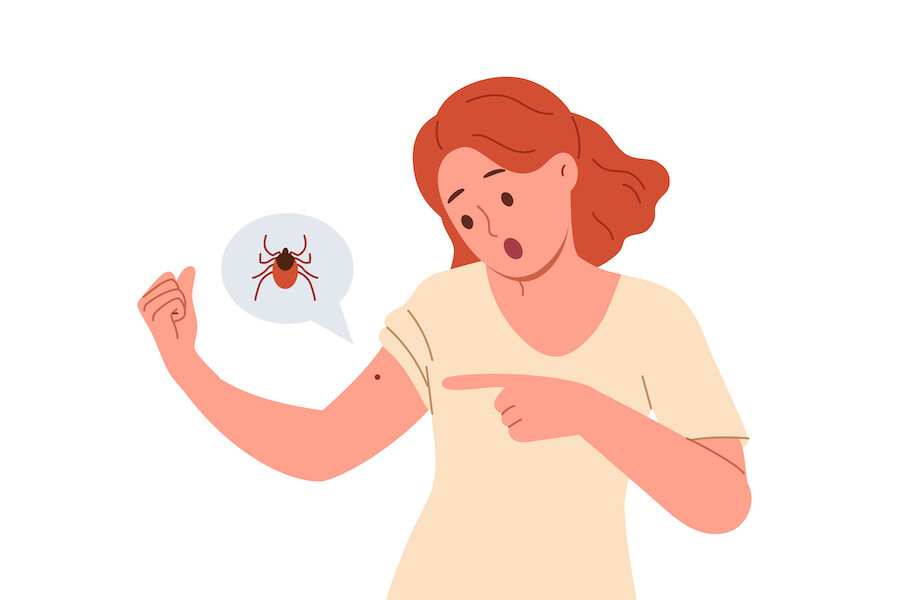
Now, imagine you find a tick attached to your skin. Don’t panic! Here’s what to do:

  1. Remove Carefully: Use fine-tipped tweezers to grasp the tick near its head and gently pull it straight out. Avoid squeezing the body, as this can increase the risk of infection.
  2. Clean and Monitor: Disinfect the bite area with rubbing alcohol or soap and water. Keep an eye on the bite for the next few weeks, looking for the telltale “bullseye” rash, a circular red mark that expands over time.
  3. Seek Medical Attention: If you experience any symptoms of Lyme disease, such as fever, fatigue, muscle aches, or the bullseye rash, consult your doctor immediately. Early diagnosis and treatment are crucial for a full recovery.

If you find a tick and safely remove it, the tick can be brought to Uncas Health District for free testing. This helps public health officials track tick populations and Lyme disease prevalence in the area.

Remember, in Connecticut and across the U.S., Lyme disease is a significant public health concern. By following these preventive measures and taking prompt action in case of a tick bite, we can all play a role in protecting ourselves and our community. So stay vigilant, enjoy the outdoors responsibly, and let’s all have a safe and healthy summer.

Flu Update: Seasonal Total Approaching 1,000 Cases in District

Flu report
The busy 2023-24 flu season continues into April as last week, 73 new influenza cases were identified in the 11 cities and towns of the Uncas Health District, according to March 29, 2024, data from the Connecticut Department of Health. This week’s reported numbers bring the flu season total to 936 cases in the district.
Those aged 18-49 represent the largest group for positive flu cases, comprising 350 of the total cases reported, followed by 5-17-year-olds with 200 cases. It is important to note that influenza cases are only reported if there is a hospitalization or if the positive test comes from a minor.

Although we are now in April, flu season is not yet over. It is important to remain cautious, and it’s not too late to receive your flu vaccine. Vaccination is the single most effective way to protect yourself and others from the flu. Also, Remember to:

  • Wash your hands frequently with soap and water, especially after being in public places or around sick people.
  • Cover your coughs and sneezes with a tissue or your elbow to prevent spreading germs.
  • Stay home if you’re feeling unwell to avoid making others sick.

Stay safe and healthy!

Additional Flu Resources

Bringing Health Services to Your Community: Uncas Health District’s Mobile Health Team

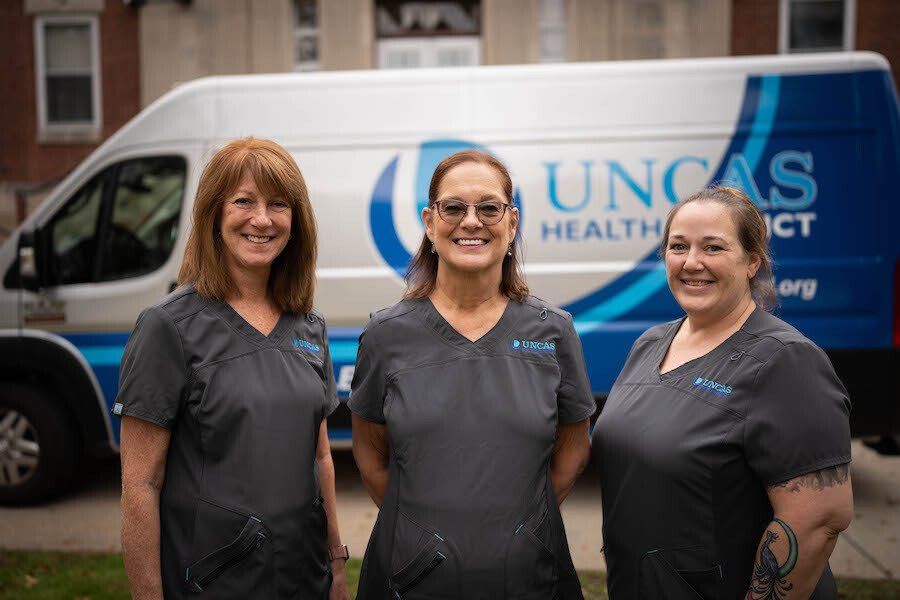
Uncas Mobile Health Team

The Uncas Health District is committed to ensuring the well-being of all residents in our community. That’s why we’re proud to offer the Mobile Health Team, a free program that brings essential healthcare services directly to your community. Through the Mobile Health Team, we’re bringing essential services directly to the people who need them most.

Your health is our priority.

The Mobile Health Team is staffed by licensed healthcare professionals who are passionate about helping individuals and families achieve optimal health and well-being. We believe everyone deserves access to quality healthcare, and that’s why we remove the barriers of transportation and cost by bringing our services directly to where you are.

MEET THE MOBILE HEATH TEAM

We are proud to serve the residents of Bozrah, Franklin, Griswold, Lebanon, Lisbon, Montville, Norwich, Preston, Salem, Sprague, and Voluntown. The Mobile Health Team operates by visiting soup kitchens, driving through food pantries, and senior centers to provide education and vital services:

  • COVID-19 and flu vaccines: Protect yourself and your loved ones from preventable illnesses.
  • Rapid testing for Hepatitis C and HIV: Get tested quickly and discreetly in a safe and supportive environment.
  • Syringe services: Access clean needles and harm reduction resources.
  • Tick testing: Stay informed about the risk of tick-borne diseases.
  • Blood pressure screenings: Monitor your heart health and take control of your well-being.
  • Smoking cessation support: Get the help you need to quit smoking for good.
  • Prevention of sexually transmitted infections: Learn how to protect yourself and your partner(s).
  • Education on public health topics: Stay informed about important health issues affecting our community.

CHECK OUT THE MOBILE HEALTH TEAM CALENDAR

No question is too small.

Individuals who visit us at these events can approach us with any questions they may have. We are here to listen and provide support, and we strive to link you to care whenever necessary. For instance, if a Hepatitis C or HIV test result is reactive (positive), the Mobile Health Team can connect you to the appropriate care provider, such as an ID clinic or another healthcare facility.

Prevention is key.

The Mobile Health Team focuses on providing screenings and preventative services to help individuals and families stay healthy and informed. Our primary objective is to keep our communities safe and educated on public health issues.

Taking care of your health has never been easier.

The Uncas Health District’s Mobile Health Team is here to help you stay on top of your health and well-being. Visit our website or call us at 860-823-1189 to learn more about our upcoming events and schedule your visit.

Additional information

  • All services are free and confidential.
  • Some services may require pre-registration.

Through the Uncas Health District’s Mobile Health Team, we’re bringing essential services directly to the people who need them most. By working together, we can create a healthier and happier community for everyone.