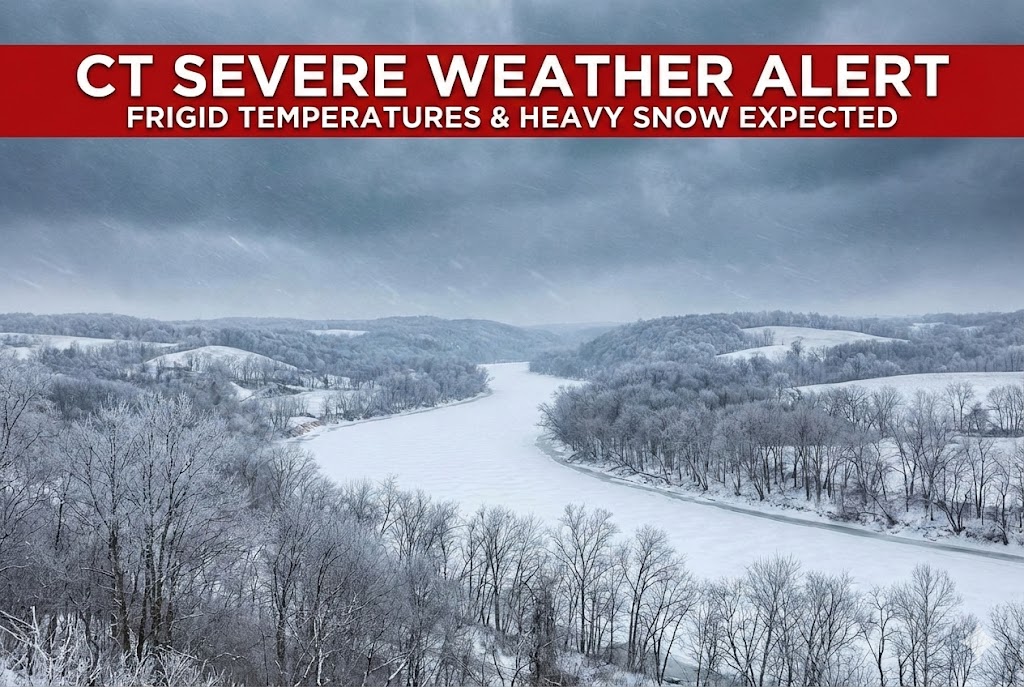
Cold Streak: Winter Safety Risks to Avoid During Extended Frigid Weather

A single bitterly cold night is tough. But when ice-cold temperatures hang around for several days, the risks can stack up fast — especially if the power goes out, your home heating is disrupted, or you're improvising to stay warm. Here are the biggest dangers to keep on your radar, plus practical steps you can take to stay safe.

Carbon monoxide: the invisible, fast-moving danger

When heat or electricity is interrupted, people often turn to generators or alternative heat sources. The problem: Carbon monoxide (CO) is colorless and odorless, and it can build up quickly indoors.

High-risk scenarios include:

  • Running a generator in a garage, basement, shed, or near open windows/doors

  • Using charcoal grills, camp stoves, or other outdoor cooking devices indoors

  • Using fuel-burning heaters that aren’t properly vented

Safer habits that save lives:

  • Run generators outdoors only—more than 20 feet from the home, doors, and windows, and aim exhaust away from the house.

  • Install CO alarms (and check batteries). CO alarms are especially important if you use any fuel-burning equipment.

  • If anyone develops headache, dizziness, nausea, confusion, or unusual sleepiness, get to fresh air immediately and call for help—CO poisoning can mimic the flu, but it’s far more urgent.

Winter fire hazards: space heaters and “temporary fixes”

Cold spells also increase home fire risk because we’re using more heat sources—often in bedrooms, living rooms, and near fabrics.

Common winter fire causes:

  • Space heaters too close to curtains, bedding, furniture, or clutter

  • Overloaded outlets, power strips, or extension cords

  • Improper use of ovens or stovetops for heat

  • Fireplace/wood stove misuse or poor maintenance

Reduce fire risk with these basics:

Heating equipment—especially space heaters and heating stoves—accounts for a large share of home heating fire deaths and injuries.

Cold exposure: frostbite and hypothermia can happen faster than you think

When temperatures drop below 20°F, your body loses heat quickly — especially if you’re wet, in the wind, or outside for extended periods (shoveling, walking pets, waiting for a ride, clearing cars).

Frostbite timeline (the key factor is wind chill):

  • The National Weather Service wind chill guidance shows exposed skin can freeze in about 30 minutes under certain wind chill conditions (and faster in more extreme wind chills).

  • Example from NWS materials: 0°F with a 15 mph wind can create a wind chill of around -19°F, at which frostbite can occur in ~30 minutes.

Protect yourself and others:

  • Dress in layers; cover hands, ears, and face; wear wind-resistant outer layers.

  • Take frequent warm-up breaks when shoveling or working outside.

  • Check on neighbors, older adults, and anyone without reliable heat.

Home hazards during deep cold: ice, falls, and roof damage

Icy walkways and slips

Falls are one of the most common winter injuries — often right at home.

  • Clear and treat steps/sidewalks promptly with rock salt or a de-icer, and use sand or kitty litter for traction when needed.

  • Wear footwear with good traction; take short steps and use handrails.

Ice dams and water damage

After cycles of melting and refreezing, ice dams can form along roof edges. When that happens, water can back up under shingles and leak into attics and walls — leading to ceiling damage, insulation issues, and mold risk.

What helps:

  • Safely remove roof-edge snow from the ground using a roof rake (avoid climbing onto icy roofs).

  • Address root causes in the long term: attic insulation and ventilation, and keeping gutters clear.

Resources in CT if you don’t have safe heat or shelter

If you or someone you know is homeless, staying somewhere without working heat, or dealing with a loss of electricity/water, help is available:

If someone is in immediate danger from cold exposure, fire, or suspected carbon monoxide poisoning, call 911 right away.

Public Notice: Certificate of Need Application for Change of Governance of Outpatient Surgical Facility

This posting is made pursuant to Connecticut General Statutes § 19a-639a, regarding the Certificate of Need application process.

Public Notice

River Valley ASC, LLC, SCA-River Valley, LLC, and HHC Surgery Center Holdings, LLC are filing a Certificate of Need Application pursuant to Section 19a-638 of the Connecticut General Statutes for the change in governance of an outpatient surgical facility. HHC Surgery Center Holdings, LLC will request CON approval to assume an additional seat on the Board of Managers of SCA-River Valley, LLC, the majority owner of River Valley Ambulatory Surgical Center, LLC. River Valley Ambulatory Surgery Center, LLC owns and operates River Valley Ambulatory Surgery Center, a licensed outpatient surgical facility located at 45 Salem Turnpike in Norwich.  The proposal is part of a phased transaction and has no associated capital expenditure.


UPDATE: Governor Extends Cold Severe Cold Weather Protocol Through Feb. 5

Governor Ned Lamont has extended Connecticut’s Severe Cold Weather Protocol through Thursday, February 5, 2026, as forecasts indicate extremely cold temperatures will continue into early February.

This is expected to be an exceptionally frigid period, delivering some of the coldest temperatures the state has experienced so far this season, particularly overnight. Over the next week, temperatures are likely to range from a high of 28 degrees and a low of -2 degrees with wind chills reaching -19 degrees at times.

The purpose of the protocol is to ensure that the most vulnerable populations receive protection from severe cold, which can be life-threatening if exposed to the elements for extended periods. While enacted, a system is set up for state agencies and municipalities to coordinate with United Way 2-1-1 and Connecticut’s network of shelters to make sure that anyone in need can access shelter from the outdoors, including transportation to shelters.

Anyone in need of shelter or a warming center is urged to visit 211ct.org or call 2-1-1 to find available locations. Transportation can be provided if necessary.

“We’re about to experience some of the coldest weather Connecticut has had in quite a while, and it cannot be stressed enough that temperatures this low can be fatal if someone is outside for too long,” Governor Lamont said. “This protocol enables us to partner with municipalities and nonprofits to see that shelters and warming centers are available for anyone in need. I also urge everyone to bring their pets indoors during this period because these conditions can be extremely dangerous for them, as well.”

The following actions are implemented while the protocol is enacted:

  • The Connecticut Department of Emergency Services and Public Protection’s Division of Emergency Management and Homeland Security uses its WebEOC communications network, an internet-based system that enables local, regional, and state emergency management officials and first responders to share up-to-date information on a variety of situations and conditions. The system monitors capacity at shelters across the state, enabling 2-1-1 to act as a clearinghouse to help find shelter space for those who need it. Local officials, working through WebEOC, can alert 2-1-1 and the state when they open temporary shelters or warming centers.
  • The Connecticut Department of Social Services, Connecticut Department of Housing, and Connecticut Department of Mental Health and Addiction Services coordinate with 2-1-1 and the Connecticut Coalition to End Homelessness, along with community-based providers, to provide transportation for people seeking shelter.

For emergency management news and resources, visit the state’s CTPrepares website at ct.gov/ctprepares.

Recall Alert: FDA Investigating Salmonella Outbreak Linked to “Super Greens” Dietary Supplement

Cases have been reported across the U.S., including Connecticut

Federal health officials are investigating a multistate Salmonella Typhimurium outbreak linked to a popular greens powder sold online — and Connecticut is among the states reporting cases.

What Product is Involved?

The FDA says the outbreak is linked to Live it Up-brand Super Greens dietary supplement powder (including Original and Wild Berry flavors). The company has issued a recall covering products (including stick packs) with expiration dates from 08/2026 to 01/2028, and the FDA notes the recalled items include lots beginning with the letter “A.”

These products were primarily sold online, including through the Live it Up website and major online marketplaces.

How Big is the Outbreak?

As of the FDA/CDC update on January 15, 2026, officials report 45 illnesses across 21 states, including 12 hospitalizations and no deaths. Connecticut is listed among the affected states.

Symptoms to Watch for

Salmonella infection often causes diarrhea, fever, and stomach/abdominal cramps. Symptoms typically begin within a few days after exposure and usually last about a week. Some people—especially children under 5, adults 65+, and people with weakened immune systems—are more likely to have severe illness.

CDC recommends contacting a healthcare provider right away if you have severe symptoms such as:

  • Diarrhea with a fever higher than 102°F

  • Diarrhea lasting more than 3 days or bloody diarrhea

  • Vomiting that prevents keeping liquids down

  • Signs of dehydration (low urination, dry mouth, dizziness)

What Consumers Should Do Now

If you have this product at home:

  1. Do not consume it. Throw it away or return it for a refund (per the company’s instructions).

  2. Clean and sanitize any containers, counters, scoops, or surfaces the powder may have touched.

  3. If you develop symptoms, contact your healthcare provider and let them know if you recently used the recalled greens powder.

Peak Flu Season Is Here — Why Vigilance Matters (Especially in 2026)

Every winter, influenza shows up in a familiar way: schools and workplaces see more absences, urgent care wait times climb, and many households cycle through coughs, fevers, and fatigue. That’s because flu season in the U.S. typically ramps up in fall and winter, with flu activity most often peaking between December and February — and historically, February is the most common peak month.

That timing matters. When we hit the “peak,” flu spreads more easily, more people are contagious at the same time, and the chance of bringing illness into your home, workplace, or social circle goes up. The good news: a few practical habits—done consistently—can make a real difference.

Flu Shots are Still Too Low, and Fewer Doses Have Been Given in Key Settings

As of early January 2026, CDC survey data show that 44.1% of adults have received a flu shot. That means more than half of adults are still unvaccinated during the heart of flu season.

At the same time, CDC’s weekly dashboard (based on claims data) indicates fewer flu vaccine doses have been administered to adults in retail pharmacies and physician medical offices compared with the same point last season. As of December 20, 2025, an estimated 33.2 million adult doses were given in pharmacies (about 1.8 million fewer than last season), and 18.3 million were given in medical offices (about 807,163 fewer). That’s roughly 2.6 million fewer doses in those two settings combined.

Bottom line: even with vaccination available in many convenient places, too many people remain unprotected—and that creates more opportunities for flu to spread and cause severe illness.

It’s Not Too Late to Get Vaccinated

CDC recommends annual flu vaccination for everyone ages 6 months and older who doesn’t have contraindications. And while the vaccine isn’t perfect, the CDC notes that even when circulating viruses differ from what’s expected, vaccination still helps protect against severe illness, hospitalization, and death.

If you’ve been meaning to get a flu shot, this is your nudge: it can still help—especially for older adults, young children, pregnant people, and anyone with chronic medical conditions.

Common-Sense Ways to Prevent Flu (and Other Winter Respiratory Illnesses)

Think of flu prevention like layers. No single step is flawless, but stacking a few habits dramatically improves your odds.

1) Stay Home When You’re Sick

One of the most powerful ways to stop the spread is also the simplest: don’t share your germs. CDC advises returning to normal activities only when, for at least 24 hours, both are true:

  • Your symptoms are improving overall, and

  • You’ve had no fever without using fever-reducing medication.

2) Cover Coughs and Sneezes — and Consider a Mask in Crowded Indoor Spaces

Flu spreads mainly through respiratory droplets when people cough, sneeze, or talk. Covering your mouth and nose helps, and if you’re sick (or caring for someone who is), a well-fitting mask adds an extra layer that can reduce the spread to others.

3) Wash Hands Often — and Avoid Touching Your Face

Handwashing (or using alcohol-based sanitizer when soap and water aren’t available) reduces the risk of transferring germs from surfaces to your eyes, nose, or mouth.

4) Improve Indoor Air When Possible

Fresh air and cleaner air matter more than many people realize. CDC includes taking steps to improve air quality—bringing in outdoor air, using filtration, or choosing outdoor gatherings when practical—as part of efforts to reduce respiratory virus spread.

5) Clean “High-Touch” Surfaces During Illness Waves

Doorknobs, light switches, phones, remote controls, and countertops are constantly handled—especially in shared spaces. Regular cleaning during a household illness can help reduce spread.

6) Keep Your Body Resilient

Good sleep, hydration, nutritious food, and stress management won’t “block” flu on their own—but they support your immune system and recovery if you do get sick.

Know the Symptoms — and Act Early if You’re High-Risk

Flu often comes on suddenly. Common symptoms include fever or chills, cough, sore throat, runny or stuffy nose, body aches, headache, and fatigue (sometimes vomiting/diarrhea, more often in children).

If you’re in a group at higher risk for complications (including young children, adults 65+, pregnant people, and those with certain medical conditions), CDC recommends contacting a healthcare provider early if symptoms start—because antiviral medications work best when started within about 2 days of symptom onset.

When to Seek Urgent or Emergency Care

Most people recover at home, but the flu can become serious. CDC lists emergency warning signs that should prompt immediate medical attention. A few key examples include:

In adults: difficulty breathing/shortness of breath, chest or abdominal pain/pressure, confusion or inability to arouse, seizures, not urinating, severe weakness, or symptoms that improve then worsen.

In children: fast or troubled breathing, bluish lips/face, ribs pulling in with breaths, chest pain, dehydration, seizures, high fever not controlled by medicine, or symptoms that improve then worsen.

If you’re unsure, call your healthcare provider for guidance.

A Community Reminder from the Uncas Health District

Flu season peak is exactly when small choices add up: getting vaccinated, staying home when sick, and protecting others in shared indoor spaces. Whether you’re looking out for a newborn in the family, an older neighbor, a coworker with a chronic condition, or your own household, these steps help reduce the spread of flu and similar respiratory illnesses.