
Recall Alert: FDA Investigating Salmonella Outbreak Linked to “Super Greens” Dietary Supplement

Cases have been reported across the U.S., including Connecticut

Federal health officials are investigating a multistate Salmonella Typhimurium outbreak linked to a popular greens powder sold online — and Connecticut is among the states reporting cases.

What Product is Involved?

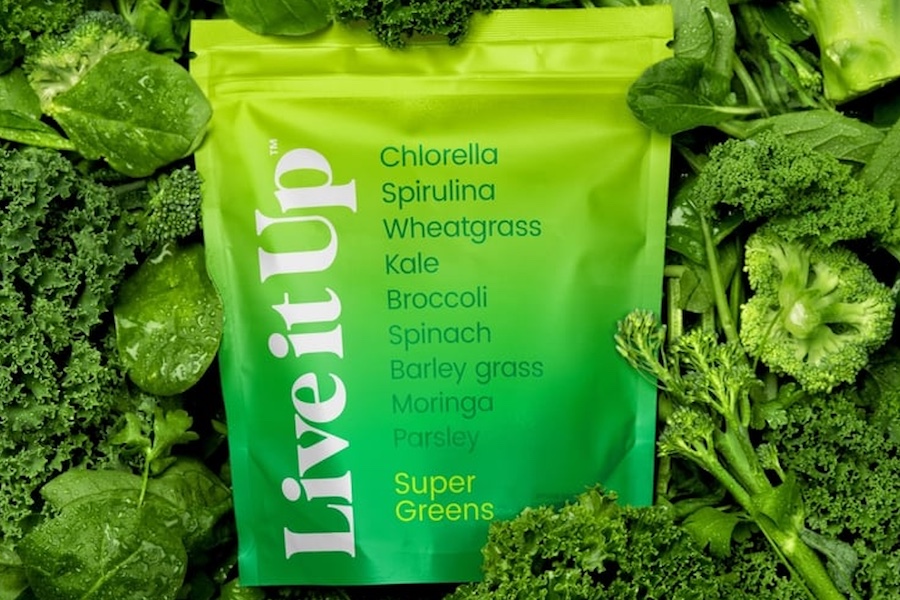
The FDA says the outbreak is linked to Live it Up-brand Super Greens dietary supplement powder (including Original and Wild Berry flavors). The company has issued a recall covering products (including stick packs) with expiration dates from 08/2026 to 01/2028, and the FDA notes the recalled items include lots beginning with the letter “A.”

These products were primarily sold online, including through the Live it Up website and major online marketplaces.

How Big is the Outbreak?

As of the FDA/CDC update on January 15, 2026, officials report 45 illnesses across 21 states, including 12 hospitalizations and no deaths. Connecticut is listed among the affected states.

Symptoms to Watch for

Salmonella infection often causes diarrhea, fever, and stomach/abdominal cramps. Symptoms typically begin within a few days after exposure and usually last about a week. Some people—especially children under 5, adults 65+, and people with weakened immune systems—are more likely to have severe illness.

CDC recommends contacting a healthcare provider right away if you have severe symptoms such as:

  • Diarrhea with a fever higher than 102°F

  • Diarrhea lasting more than 3 days or bloody diarrhea

  • Vomiting that prevents keeping liquids down

  • Signs of dehydration (low urination, dry mouth, dizziness)

What Consumers Should Do Now

If you have this product at home:

  1. Do not consume it. Throw it away or return it for a refund (per the company’s instructions).

  2. Clean and sanitize any containers, counters, scoops, or surfaces the powder may have touched.

  3. If you develop symptoms, contact your healthcare provider and let them know if you recently used the recalled greens powder.
Salmonella Oyster Outbreak: What You Need to Know

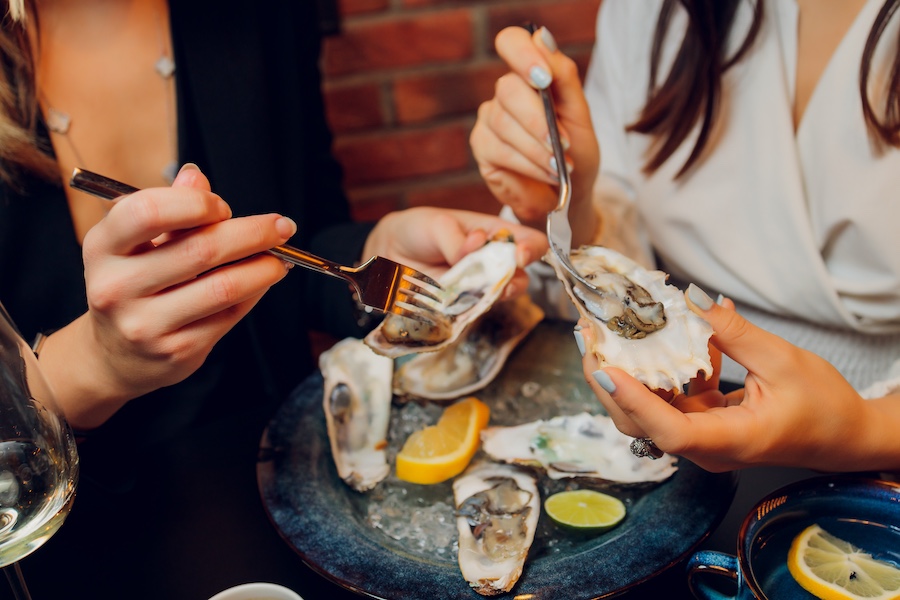
raw oysters

If you’ve enjoyed raw oysters lately—or were planning to for your New Year's celebrations — a recent CDC outbreak notice deserves your immediate attention. In Connecticut, where oysters are a coastal staple, staying informed is the best way to keep your family safe.

On December 23, 2025, the CDC reported an ongoing multistate outbreak of Salmonella Telelkebir infections. While the investigation is still ongoing and no formal recall has been issued yet, the evidence linking raw oysters is significant.

The Outbreak by the Numbers

The CDC is currently tracking a growing number of cases across the country:

  • 64 confirmed illnesses across 22 states.

  • 20 hospitalizations (nearly 1 in 3 cases).

  • 0 deaths reported to date.

  • Illness Timeline: Cases began appearing in June 2025, with the most recent reported in late November.

  • Why investigators are focused on oysters: 74% of sick individuals reported eating raw oysters in the week before falling ill—a rate far higher than the general population.

Connecticut Connection

While this is a national outbreak, it hits close to home. Local reporting from CT Insider indicates that at least two Connecticut residents have already fallen ill.

Because oysters are distributed through complex networks of restaurants and markets, a contaminated batch can end up on a plate anywhere. Even if you aren't eating oysters harvested locally the risk remains present while the source remains unidentified.

How to Stay Safe (Actionable Advice)

Until the CDC identifies the specific source or harvester responsible, the safest course of action is to avoid raw oysters entirely.

If you are a seafood lover, follow these CDC-backed safety tips:

  • Cook Them Thoroughly: Heat kills Salmonella. Opt for fried, baked, broiled, or steamed oysters.

  • Don't Rely on "Cures": Hot sauce, lemon juice, and alcohol do not kill the bacteria. They might add flavor, but they won't prevent infection.

  • Watch for Cross-Contamination: Keep raw seafood and its juices far away from other foods in your kitchen. Wash all surfaces and utensils thoroughly after they have come into contact with raw shellfish.

  • Know Your Risk: If you are over 65, under 5, or immunocompromised, the CDC strongly advises against consuming raw shellfish altogether, as you are at a significantly higher risk for severe illness.

Symptoms: When to Call a Doctor

Salmonella symptoms usually appear within 6 hours to 6 days of eating contaminated food. Most people recover in about a week, but you should contact a healthcare provider immediately if you experience:

  1. A fever higher than 102°F.

  2. Bloody diarrhea or diarrhea lasting more than 3 days.

  3. Severe vomiting that prevents you from keeping liquids down.

  4. Dehydration (signs include dry mouth, dizziness, and infrequent urination).

How to Help: Report Suspected Illness

Reporting your illness is the fastest way for public health officials to "connect the dots" and stop the spread of the outbreak.

  • Contact your local health department first if you believe you became ill from a specific restaurant or store.

  • Unsure who to call? Contact the CT Department of Public Health Food Protection Program at (860) 509-7297.