
Fireworks Safety: Celebrate Independence Day Responsibly 

kids playing with sparklers

As Independence Day approaches, there will be a number of fireworks displays in and around eastern Connecticut. These celebrations are considered tradition, but it’s crucial to remember that fireworks are explosives and require proper handling to ensure everyone’s safety.

This article will explore the importance of fireworks safety, how to enjoy public displays responsibly, and understanding the legal limitations of personal fireworks.

The Dangers of Mishandling Fireworks

Fireworks, even seemingly harmless sparklers, pose a significant risk of injury. According to the U.S. Consumer Product Safety Commission, thousands of people are treated in emergency rooms each year due to fireworks-related incidents. These injuries can range from burns to eye damage and, in some cases, lead to dismemberment or even death. Specifically, in 2023 alone:

  • 9,700 people were treated in emergency rooms for fireworks injuries

  • 8 fireworks-related deaths were reported

  • 42% of injuries were burns.

  • 66% of fireworks injuries happened in the weeks surrounding July 4.

Connecticut Fireworks Laws and Regulations

Fireworks are not allowed by law in Connecticut for use by non-professional, non-licensed users. This includes firecrackers, bottle rockets, Roman candles, and similar devices. Sparklers and fountains, which technically are not considered fireworks, may be sold, but they may not legally be sold to or used by persons younger than 16.

If you’re considering using fireworks, it’s important to be aware of local laws. The only legal fireworks for personal use are sparklers, snaps, and certain types of ground-based fountains. However, even these seemingly innocuous items can cause burns, so strict supervision is necessary, especially around children. Last year, 700 emergency room visits were related to sparklers.

Enjoying Public Fireworks Displays Safely

The safest way to enjoy fireworks is to attend a public display conducted by licensed professionals. These displays are meticulously planned and executed, minimizing the risk of accidents. Here’s how to enjoy a public fireworks display safely:

  • Maintain a safe distance: Always adhere to the designated viewing area established by event organizers.

  • Keep children close: Supervise children closely throughout the display.

  • Be mindful of pets: Fireworks can frighten pets. Consider leaving them in a quiet, safe place during the display.

  • Leave fireworks to the professionals: Don’t attempt to use your own fireworks, even if they seem safe.

What to Do if You’re Concerned About a Fireworks Display

If you have concerns about the safety of a fireworks display near you, it’s important to voice them. Contact your local fire department or law enforcement agency to inquire about the permits and safety protocols in place.

Remember: Fireworks are best left to the professionals. By attending public displays and prioritizing safety, we can all enjoy a happy and healthy Independence Day celebration.

Sign Up for the Uncas Health District’s Weekly Newsletter: Public Health Happenings

Extreme Hot Weather Protocol Activated — What You Need to Know

Woman drinking water in heat wave

With temperatures expected to reach the mid-to-upper 80s for several consecutive days this week, Governor Ned Lamont has activated the state’s “Extreme Hot Weather Protocol”  to ensure that the most vulnerable populations receive protection from the hot conditions. The protocol goes into effect at noon on Tuesday, June 18, and will remain in effect through noon on Sunday, June 23.

Staying Cool During the Heatwave

Those in the Uncas Health District can find a continuously updated list of available cooling centers by calling 2-1-1 or visiting 211ct.org. Additionally, St. Vincent de Paul Place in Norwich will be open as a cooling center starting at 6:30 a.m. each day through Saturday.

Taking Precautions

Extreme heat can pose serious health risks, especially for vulnerable populations. Here are some essential precautions to take during the heatwave:

  • Stay Hydrated: Drink plenty of water throughout the day, even if you don’t feel thirsty. Avoid sugary drinks and excessive amounts of alcohol, as they can dehydrate you.
  • Stay Cool Indoors: Limit strenuous activity outdoors, especially during peak heat hours (typically between 10 am and 4 pm). If you don’t have air conditioning, spend time in public libraries, shopping malls, or cooling centers.
  • Dress for the Weather: Wear loose-fitting, lightweight clothing made from breathable fabrics like cotton.
  • Protect Yourself from the Sun: Apply sunscreen with SPF 30 or higher and wear a wide-brimmed hat whenever outdoors.
  • Never Leave Children or Pets Unattended in Vehicles: This can be deadly, even for short periods.

Recognizing Heat-Related Illness

It’s important to be aware of the signs of heat-related illness, which can range from mild to life-threatening. Here’s what to watch for:

  • Heat Exhaustion: Symptoms include heavy sweating, weakness, dizziness, nausea, and cold, clammy skin.
  • Heatstroke: This is a medical emergency and requires immediate medical attention. Signs include a high body temperature (above 103°F), confusion, disorientation, seizures, and a rapid, weak pulse.

If you experience any concerning symptoms, move to a cool place, remove excess clothing, and drink fluids. In severe cases, call 911 immediately.

By following these tips and staying informed, you can stay safe and healthy during this heatwave. Let’s work together to beat the heat and ensure a comfortable week for everyone in Connecticut.

Additional Tips From the Department of Public Health

Level Up Your Self-Love: Free HIV Testing at St. Vincent de Paul Place on June 27

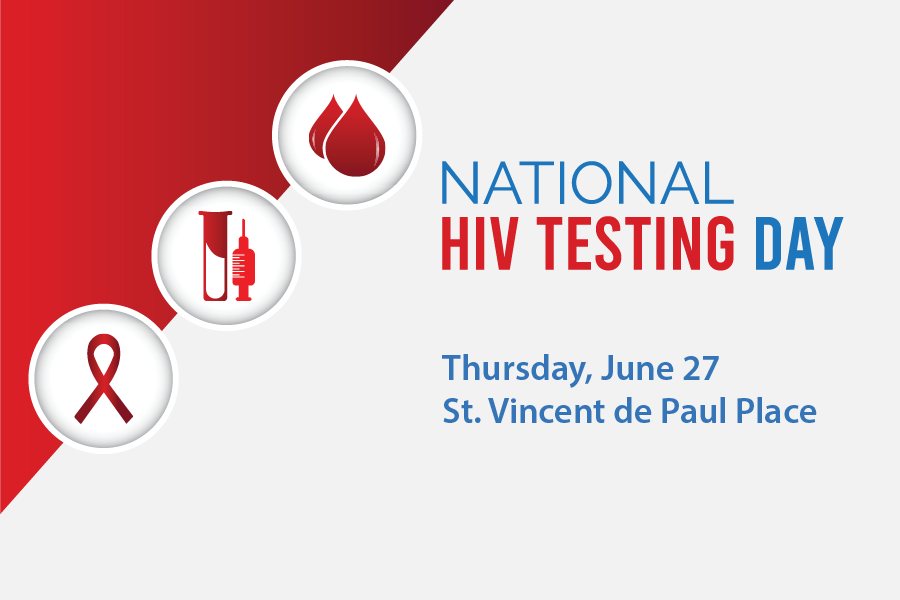
June 27 is National HIV Testing Day. Show yourself some love by getting an HIV test at St. Vincent de Paul Place in Norwich.

When: Thursday, June 27th from 9:00-11:30 a.m

Where: St. Vincent de Paul Place, Norwich

Uncas Health District will be on-site to provide free, confidential HIV testing. This is a quick and easy way to know your status and take control of your health. Test results come in as fast as 20 minutes.

For reactive tests, Yale New Haven Health will be on-site to link you to care. There are many effective treatments available for HIV, and people with HIV can live long and healthy lives.

Don’t wait! Get tested today.

For more information about HIV testing, please visit HIV.gov.

Men’s Health Month: Prioritizing Your Well-Being

man smiling making heart gesture

June is Men’s Health Month, an important time to emphasize how crucial it is for men to take action on their preventive healthcare. Data from the Centers for Disease Control and Prevention (CDC) indicates a concerning disparity: women are 33% more likely to visit a doctor and significantly more likely to adhere to preventive screenings and checkups. According to a study by the Cleveland Clinic, only half (50 percent) of men surveyed said that they consider getting their annual check-ups a regular part of taking care of themselves. This month serves as an opportunity to bridge this gap and empower men to take a proactive approach to their health.

The Importance of Preventive Care

Regular medical checkups, even in the absence of concerning symptoms, are a cornerstone of proactive healthcare. These visits allow physicians to identify potential health risks early on when intervention can be most effective.

Key Health Screenings for Men

  • Prostate Cancer Screenings: Prostate cancer is a prevalent concern for men, particularly those over 50 or with a family history. Early detection through prostate-specific antigen (PSA) testing and digital rectal examinations is critical for successful treatment.
  • Colon Cancer Screenings: Colon cancer is another serious threat to men’s health. Routine screenings, such as colonoscopies, can detect and remove precancerous polyps before they develop into cancer.
  • Other Considerations: Additional screenings, such as blood pressure checks, cholesterol tests, and blood sugar monitoring, are crucial for identifying potential risk factors for heart disease, stroke, and diabetes.

Building a Foundation of Wellness

Beyond preventive screenings, establishing healthy lifestyle habits is essential for overall well-being.

  • Diet & Nutrition: Men are encouraged to focus on a balanced diet rich in fruits, vegetables, whole grains, and lean protein sources. Limiting intake of processed foods, saturated fats, and added sugars is key.
  • Physical Activity: Regular exercise is vital for maintaining a healthy weight, reducing stress, and improving overall health. Aim for at least 150 minutes of moderate-intensity exercise or 75 minutes of vigorous-intensity exercise per week.
  • Mental Health Awareness: Men are less likely to seek help for mental health concerns, despite the prevalence of issues like stress, anxiety, and depression. Open communication with a doctor or therapist is crucial to managing these challenges and maintaining emotional well-being.

Taking Charge of Your Health

Men’s Health Education & Awareness Month is a springboard for ongoing commitment to health. By prioritizing preventive healthcare, establishing healthy habits, and seeking support from healthcare professionals, men can optimize their physical and mental well-being. Remember, prioritizing your health is an investment in a longer, stronger, and more fulfilling life.

Learn more about the Uncas Health District Mobile Health Team

Food Service + Salon Relicensing Due June 30 — File Online Today!

Register icon on keyboard button.

The Uncas Health District is excited to announce that we have transitioned to a paperless online licensing submission system, which will improve the convenience and accuracy of our annual food service and salon licensing process.

As an operator, it is your responsibility to create an account on www.myhealthdepartment.com/uhd; this is where you will then be able to fill out your application and submit supporting documents directly online.

Uncas Health District is now accepting electronic payments.  A link to pay the required fees online will be sent to valid email addresses. It is your responsibility to make sure we have a valid email address on file.

If you are unable to process payments online for any reason, you may visit our office or mail in payment.

All payments and completed paperwork MUST be received by June 30, 2024, or a late fee will be automatically assessed. 


Food Service Relicensing

Salon Relicensing

Hurricane Season: It’s Never Too Early to Be Prepared

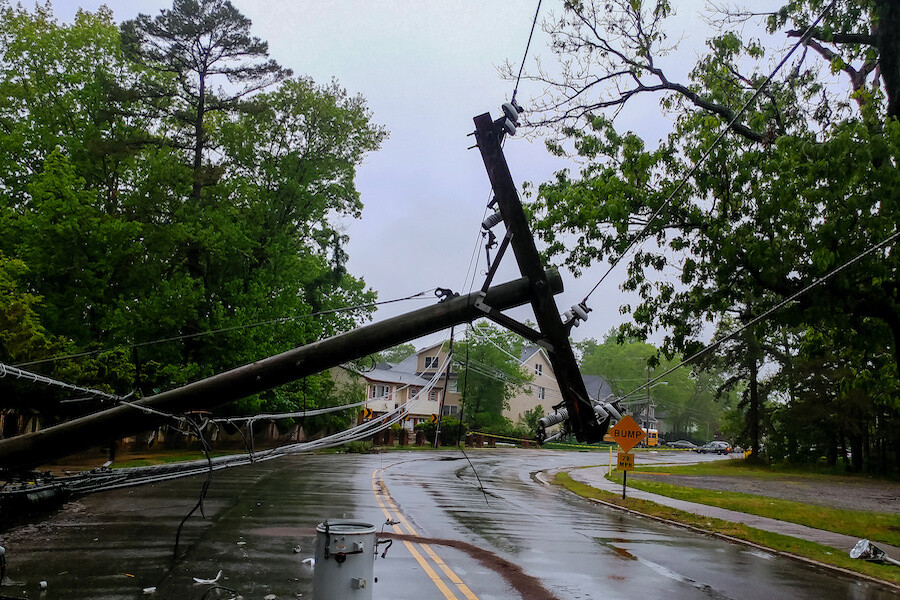
storm damage

It’s June, the days are long and sunny, and thoughts of tropical storms are probably far from your mind. But here in Southeastern Connecticut, hurricane season officially began on June 1st. While major hurricanes are rare in our region, we can still experience the effects of these powerful storms later in the season, typically between August and late September.

Governor Ned Lamont recently emphasized the importance of being proactive in a press release, urging residents to take steps now to ensure their safety and well-being in the event of a hurricane.

“It’s never too early to make sure you and your family are prepared for natural disasters, especially hurricanes,” Governor Lamont said. “Hurricane season is part of our reality in Connecticut, and we’re doing everything we can to make preparations and ensure our residents stay safe, including reminding everyone about the steps they can take to protect themselves, such as making an emergency plan and pulling together emergency kits. A few small steps like these can go a long way and save you time in the event that you need to act quickly.”

Here are some key ways to be prepared for a potential hurricane:

  • Build an Emergency Kit: Stock up on non-perishable food, bottled water (at least one gallon per person per day for three days), a first-aid kit, medications, flashlights, batteries, a battery-powered radio, and a whistle (for signaling for help). Don’t forget to include items for specific needs, like baby supplies or pet food.
  • Power Outage Plan: Charge all portable electronics beforehand. Consider investing in a solar phone charger or a hand-crank radio for extended outages. Flashlights are essential, but headlamps can be even more helpful, keeping your hands free.
  • Water Safety: Hurricanes often bring heavy rain and flooding. Fill a bathtub with clean water for sanitation purposes in case the water supply is compromised.
  • Flood Preparedness: If you live in a low-lying area, consider having sandbags on hand to help prevent floodwaters from entering your home.
  • Secure Your Property: Trim branches from trees around your home to minimize wind damage. Board up windows if necessary. Bring in outdoor furniture and decorations that could become projectiles in high winds.

Stay Informed

Download the CT Prepares app for real-time weather alerts and emergency information.

Preparation is key

 Taking steps now can help ensure your family’s safety and peace of mind throughout the hurricane season.