What is the CT Syringe Services Program?

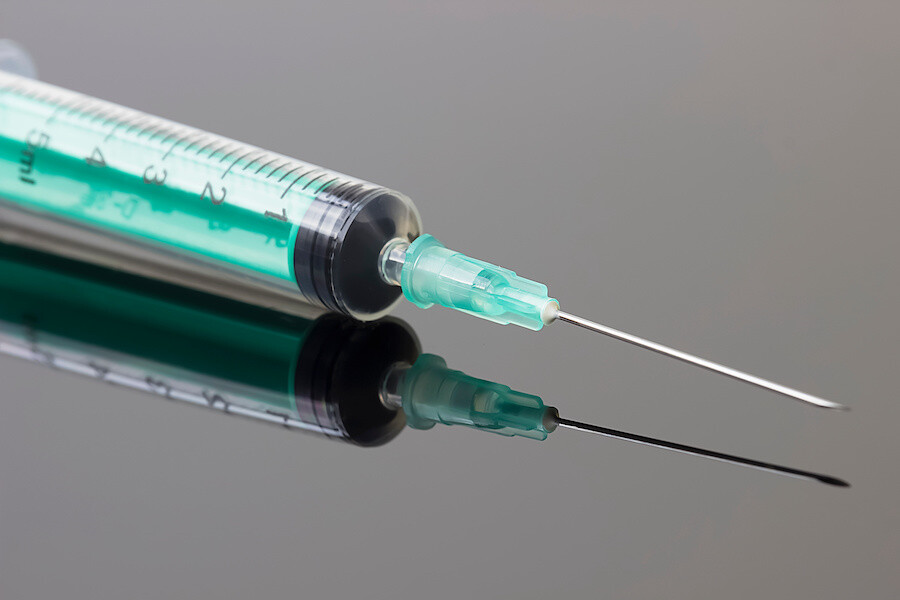
Syringe Services Programs (SSPs) are community-based programs that provide access to sterile needles and syringes, facilitate safe disposal of used syringes, and provide and link to other important services and programs such as: Referral to substance use disorder treatment programs; Screening, care, and treatment for viral hepatitis and HIV; Education about overdose prevention and safer injection practices; Vaccinations, including those for hepatitis A and hepatitis B; Screening for sexually transmitted diseases; Abscess and wound care; Naloxone distribution and education; Referral to social, mental health, and other medical services (CDC SSPs). 

To access the Uncas Health District SSP for you or someone in need, contact Susan Dubb, Public Health Nurse at (860) 823-1189 x123 or [email protected].  There is no cost for this service and our staff will be happy to schedule a confidential appointment. 

Infographic: What Are Syringe Services Programs

DPH warns residents about severe Vibrio infections caused by consumption of raw shellfish or exposure to salt or brackish water

The Connecticut Department of Public Health (DPH) is warning residents about the potential dangers of consuming raw shellfish and exposure to salt or brackish water along Long Island Sound, due to severe Vibrio vulnificus infections.

Since July 1, three cases of V. vulnificus infections have been reported to DPH. The three patients are between 60-80 years of age. All three patients were hospitalized and one died.  One patient reported consuming raw oysters from an out-of-state establishment. Two patients reported exposure to salt or brackish water in Long Island Sound. Both patients had pre-existing open cuts or wounds or sustained new wounds during these activities which likely led to the infections. 

“The identification of these severe cases, including one fatality, due to V. vulnificus is concerning,” said DPH Commissioner Manisha Juthani, MD. “People should consider the potential risk of consuming raw oysters and exposure to salt or brackish water and take appropriate precautions. Particularly during the hottest months of the summer, bacteria are more likely to overgrow and contaminate raw shellfish. Given our current heat wave, this may be a time to exercise particular caution in what you consume.”

V. vulnificus infection is an extremely rare illness. Five cases were reported in 2020 in Connecticut, and none in 2021 and 2022. V. vulnificus infections from oysters can result in severe illness, including bloodstream infections.  V. vulnificus can also cause wound infections when open wounds are exposed to warm salt or brackish water (mix of salt and fresh water).  People with a V. vulnificus infection can get seriously ill and need intensive care or limb amputation. About one in five people with this type of infection die. People at greatest risk for illness from V. vulnificus are those with weakened immune systems and the elderly.

 You can reduce your chance of getting this type of infection by following these precautions:

  • Don’t eat raw or undercooked oysters or other shellfish. 
  • If you have a wound (including from a recent surgery, piercing, or tattoo), stay out of saltwater or brackish water, if possible. This includes wading at the beach.
  • Cover your wound with a waterproof bandage if it could come into contact with saltwater, brackish water, marine life, or raw or undercooked seafood and its juices. This contact can happen during everyday activities, such as swimming, fishing, or walking on the beach.
  • Wash wounds and cuts thoroughly with soap and water after they have contact with saltwater, brackish water, marine life, raw seafood, or its juices.

 For more information on V. vulnificus infections, visit https://www.cdc.gov/vibrio/wounds.html 


From the CT State Department of Public Health
 

Back to School: Get caught up with vaccines

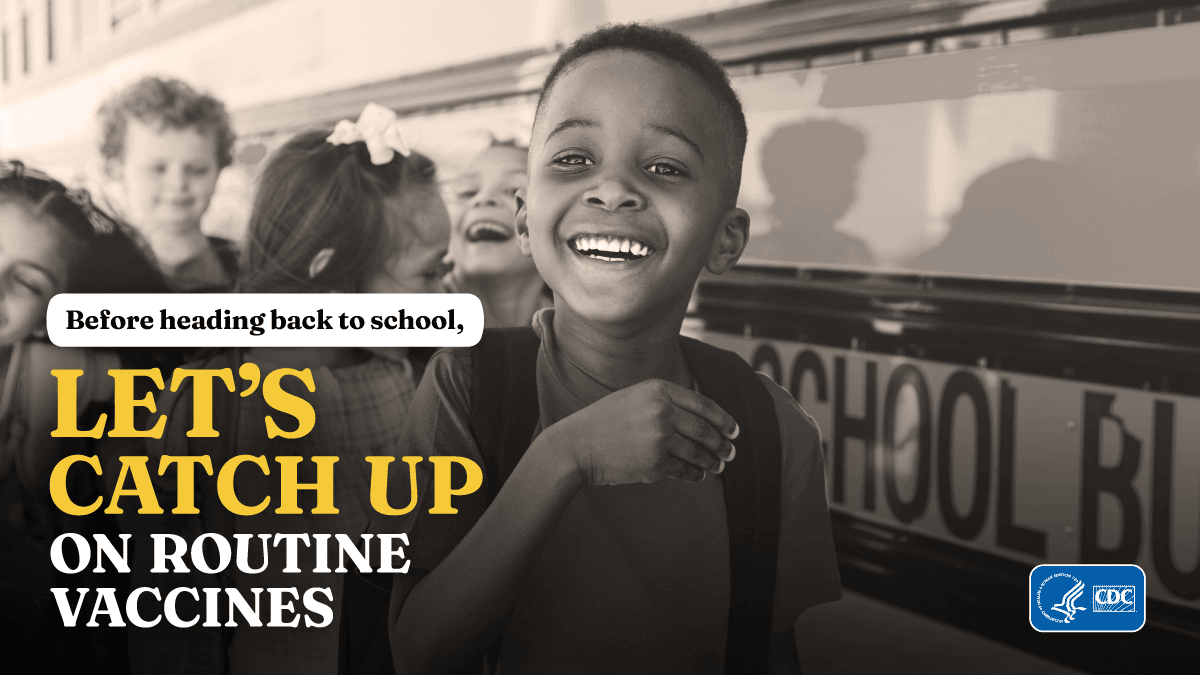
We are just a few short weeks away from sending our children back to school for the 2023-24 academic year. While shopping for pencils, notebooks, and school clothes may be top of mind, Uncas Health District also reminds parents to ensure their children are up-to-date with their routine vaccinations.

To help parents take care of this important preventative health need, Uncas Health District will be out in the community with our Mobile Health Team offering preventative health care such as blood pressure screening, COVID-19 and Flu vaccines, Hepatitis C / HIV testing, syringe services, wound care info, and information about other health services offered by the Uncas Health District.

Upcoming Mobile Health Team Appearances

Friday, August 4 10 AM – 11 AM MOBILE FOOD PANTRY at Preston Senior Center
Wednesday, August 9 4 PM – 5 PM MOBILE FOOD PANTRY at Three Rivers Community College, Norwich
Thursday, August 10 1 PM – 3 PM UCFS Health Fair, Norwich
Tuesday, August 15 11 AM – 1 PM Franklin Senior Center
Wednesday, August 16 10:30 AM – 1 PM St. Vincent DePaul Place, Norwich
Thursday, August 17 4 PM – 5:30 PM MOBILE FOOD PANTRY at Griswold High School
Wednesday, August 23 1 PM – 2 PM MOBILE FOOD PANTRY at Dodd Stadium, Norwich
Tuesday, August 29 11:30 AM – 3 PM Three Rivers Community College Health Fair, Norwich
Wednesday, August 30 11 AM – 3 PM Three Rivers Community College Health Fair, Norwich

August is National Breastfeeding Awareness Month

August is National Breastfeeding Awareness Month.  Within our state, the Connecticut Breastfeeding Coalition offers incredible resources and materials to support breastfeeding.  This includes information on becoming a breastfeeding-friendly worksite and the applicable laws for employers.

To learn more about the Connecticut Breastfeeding Coalition, please visit their website.

About National Breastfeeding Awareness Month

On August 6, 2011, the U.S. Breastfeeding Committee (USBC) officially declared that August is National Breastfeeding Month. The USBC ‘s theme for  2023 is This is Our Why — conceived to shine a light on the many and varying reasons why this work is so important and center the conversation on the babies and families who need our support. USBC invites everyone to celebrate mothers and lactating parents and work to protect, promote, and support breastfeeding and human milk feeding for the 13th annual National Breastfeeding Month.

To learn more about the U.S. Breastfeeding Committee, please visit their website.


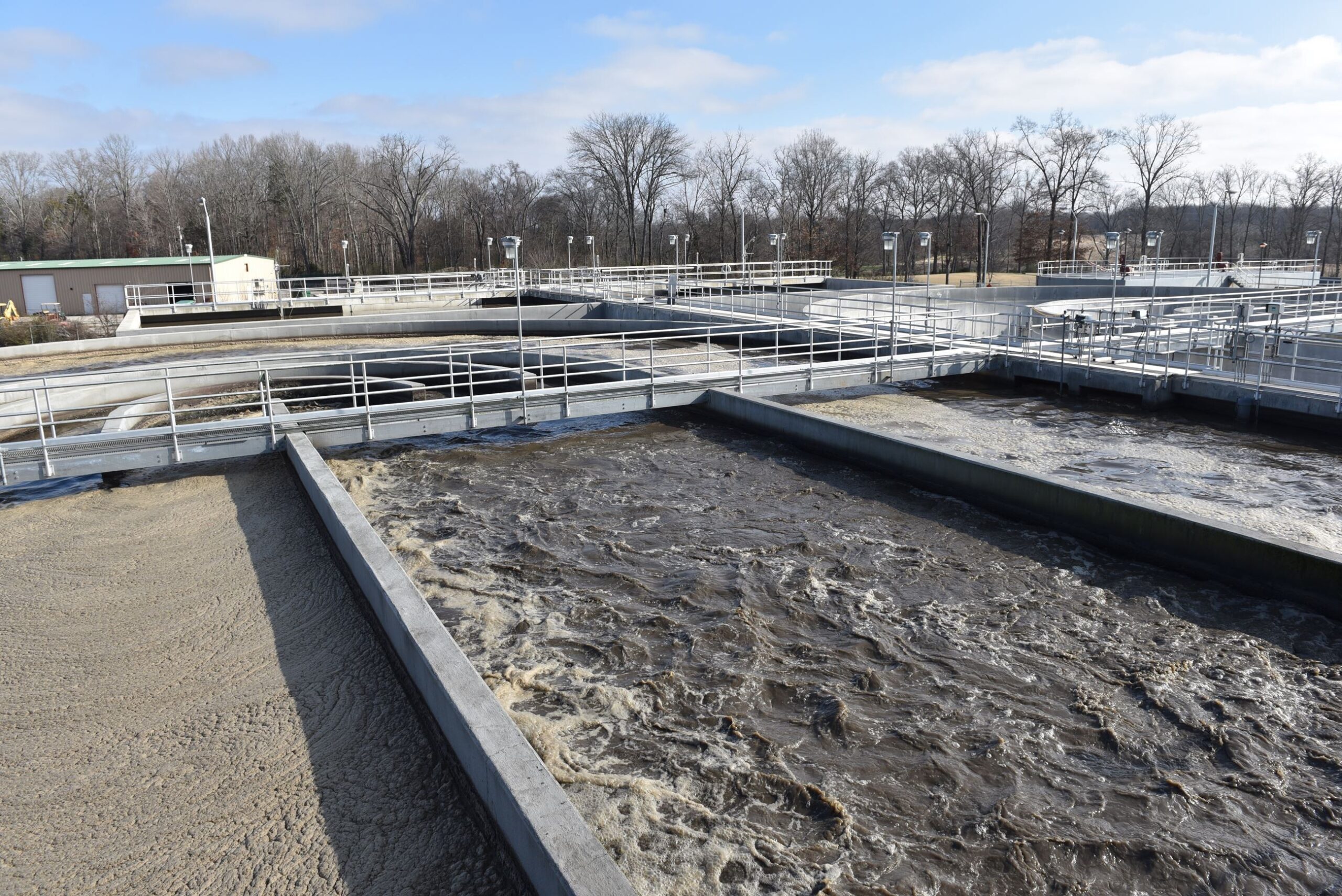
Wastewater-based epidemiology

Wastewater-based epidemiology (WBE) has been widely used to monitor the spread of COVID-19. We must now consider building on the knowledge acquired over the past three years to extend the use of the technique to a broad range of human health and lifestyle aspects.  

Widely believed to be among the most promising aspects of WBE is the potential of applying the approach to study a range of population health issues and lifestyle aspects, including dietary habits, illegal drug usage, or medications.  This technology is relatively inexpensive and offers an opportunity to anticipate increases in certain health outcomes while targeting interventions.