Save a Life Day — Free Nalaxone Training on April 8th

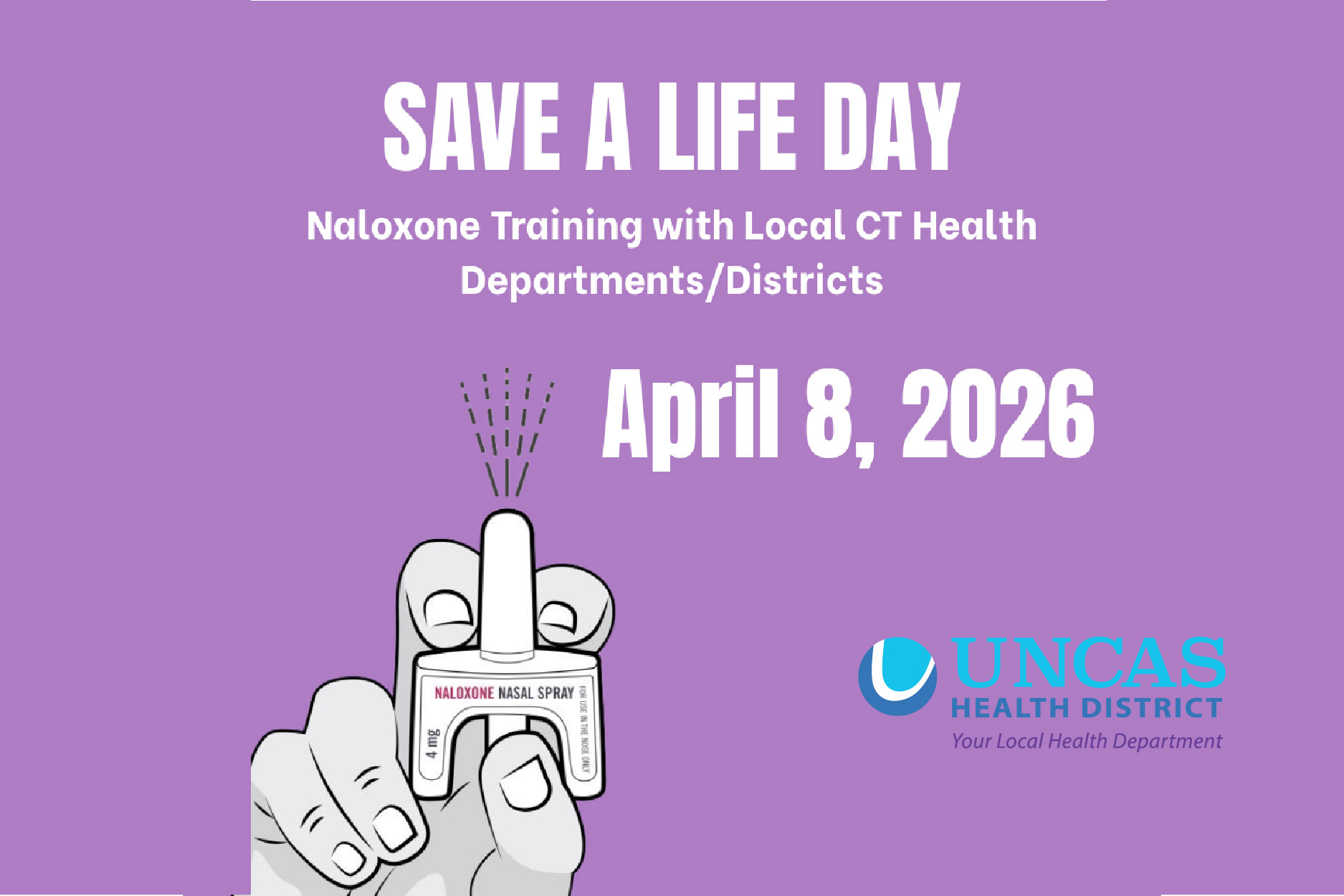
On Wednesday, April 8, the Uncas Health District will take part in Save A Life Day, a statewide effort focused on naloxone training, overdose prevention, and public education.

Held during National Public Health Week, Save A Life Day gives people a simple, practical way to learn how to respond in an overdose emergency. The goal is clear: help more people recognize the signs of an opioid overdose, know what to do, and feel prepared to use naloxone if needed.

As part of this effort, Uncas Health District will host a free drop-in naloxone training from 11:00 a.m. to 1:00 p.m. at the Mohegan Fire House, 2029 Norwich New London Turnpike, Uncasville. Community members can stop in at any time during those hours. No long program, no special background, and no complicated process — just an opportunity to learn something that could help save a life. Questions can be directed to [email protected].

Save A Life Day is about giving people the knowledge and confidence to act. Naloxone is a medication used to reverse an opioid overdose, and training helps people understand when and how to use it. For many families, friends, coworkers, and neighbors, that kind of information can make a real difference in a critical moment.

While Uncas Health District is proud to bring this training opportunity to our community, this is also part of a broader effort happening across Connecticut. Health departments and districts across the state are participating in Save A Life Day, demonstrating a shared commitment to overdose prevention and community education.

At its core, Save A Life Day is about preparedness, awareness, and reducing stigma. It is a reminder that overdose prevention is not just for medical professionals or emergency responders. Everyday people can learn these skills too — and that knowledge matters.

The Uncas Health District encourages community members to visit the Mohegan Fire House on April 8th and help save lives.

Save a Life — Learn How to Use Nalaxone

On April 9th, 2025, local health departments across Connecticut will be recognizing the second annual Save a Life Day. This initiative educates people on how they can recognize an opioid overdose emergency and respond to it by administering Naloxone. 

Naloxone acts quickly to reverse the effects of someone whose breathing has slowed or stopped due to an opioid overdose. With these overdoses becoming a serious public health crisis, the medication is now carried by first responders and becoming more widely available to individuals and businesses as well.

Here’s how Naloxone can save a life during an opioid overdose, and how you can learn more about using it.


Recognizing an opioid overdose

Acting quickly is crucial to reversing the effects of the overdose. Common signs of someone experiencing an opioid overdose include:

  • Slow or shallow breathing, or breathing that has stopped
  • Tiny pupils
  • Unresponsiveness to voice or touch
  • Pale, clammy, or bluish skin
  • Loss of consciousness
  • Slowed heartbeat


Using Naloxone in an emergency

Although it is available in an injectable form, Naloxone is typically given as a nasal spray. The medication acts as an opioid antagonist, binding to opioid receptors in the brain and quickly blocking their effects. However, it is important to note that this only works for overdoses of opioids (like heroin, fentanyl, or prescription painkillers) and not for overdoses of other substances.

To use Naloxone, simply follow the instructions on the spray. Once administered, you should call 911 immediately, since the effects of the medication can wear off and it is essential to get additional help. If a person does not respond after two to three minutes, a second dose can be administered.


Where to get Naloxone training

Pharmacists who have been approved to dispense Naloxone can educate anyone who receives this medication on its use. A list of these approved pharmacies is available at the Connecticut Department of Consumer Protection.  

Naloxone training can also be available through primary care providers or substance use treatment programs.


Who should have Naloxone available?

Naloxone is available to anyone who wants to be prepared for a potential opioid overdose emergency. This might include friends or family members of opioid users, or businesses and organizations in areas with significant opioid overdose rates.

If a loved one is using opioids, help is available. Visit the Uncas Health Department’s Harm Reduction program and the Connecticut Department of Mental Health and Addiction Services for more information.