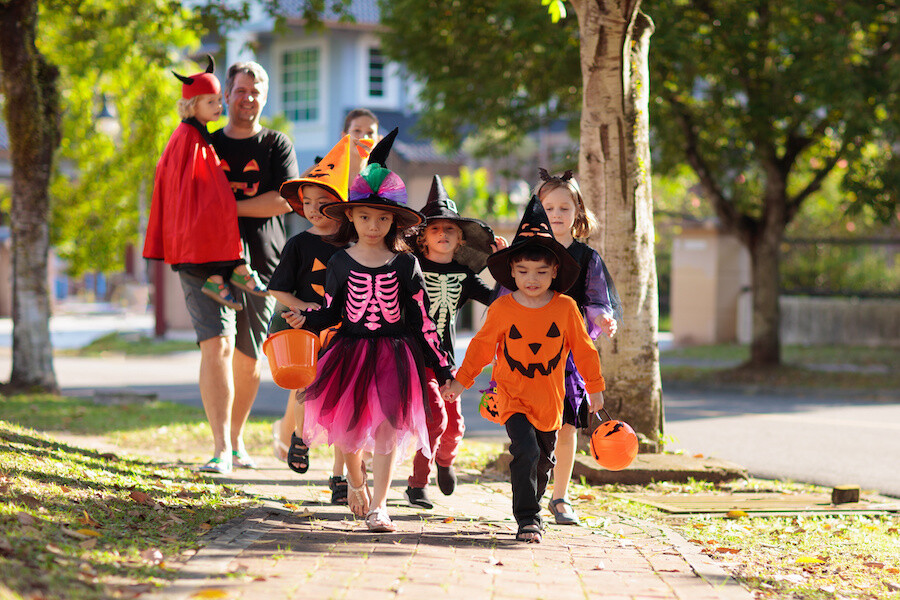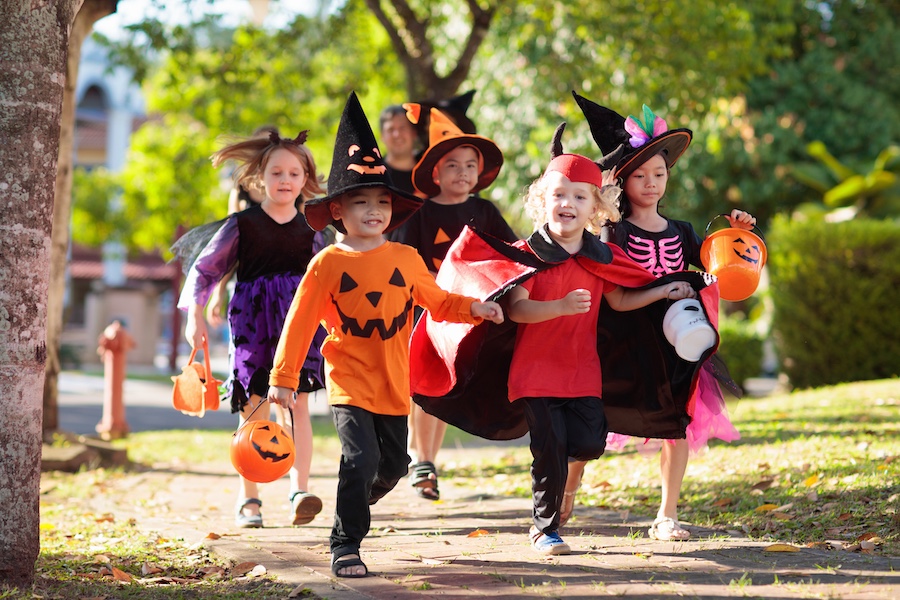
Halloween falls on a Saturday this year, which means more kids out earlier, more families on the sidewalks, and more cars on neighborhood streets as the sun sets just before 6 p.m. It's one of the best nights of the year for kids, and also one of the riskiest. According to the National Safety Council, children are more than twice as likely to be hit by a car and killed on Halloween than on any other day of the year.
The biggest factor is simple: it's dark, and people are hard to see. Here's how families and drivers across our district can keep the night fun and safe.
Make Costumes Easy to See
Many of the most popular costumes (ninjas, witches, vampires, superheroes in dark suits) blend right into the night. A few small additions make a big difference for a driver trying to spot your child from down the block.
- Add reflective tape to the front and back of costumes and treat bags. The American Academy of Pediatrics recommends planning costumes that are bright and reflective.
- Carry a light. A flashlight, headlamp, or glow stick helps kids see where they're walking and helps drivers see them.
- Choose bright colors when you can. If the costume has to be dark, a glowing accessory or reflective vest underneath still works.
- Skip the full mask. Masks can block side vision, which matters most when crossing the street. The National Safety Council suggests nontoxic face paint instead; test it on a small patch of skin first.
- Check the fit. Costumes should be short enough to avoid tripping, and hats shouldn't slide down over the eyes.
- Look for "flame resistant" on the label for costumes, wigs, and accessories, per the U.S. Food and Drug Administration.
- Avoid decorative contact lenses without a prescription. The FDA warns that non-prescription lenses can cause infections and even permanent vision loss.
On the route itself, stick to well-lit streets, use sidewalks and crosswalks, and walk, never run, across the street. Younger children should always have an adult with them, and older kids should travel in groups on a route you've agreed on.
Drivers: Slow Down and Look Twice
Even with reflective gear, a small child in a dark costume is hard to see at dusk, and excited trick-or-treaters don't always stop at the curb. If you need to drive on Halloween evening, plan for a slower trip.
- Drive well below the speed limit in neighborhoods, and keep scanning both sides of the road. The National Highway Traffic Safety Administration (NHTSA) reminds drivers to watch for children in unexpected places, since they may dart into the street.
- Take extra care in driveways and alleys. Back out slowly and check behind you for small kids you can't see from the driver's seat.
- Be most alert at twilight and after dark, when kids in dark clothing are hardest to spot.
- Put the phone away. A glance at a screen is all it takes to miss a child stepping off the curb.
- Turn your headlights on early, even before it's fully dark.
- Keep new drivers off the road if you can. The National Safety Council encourages families to discourage inexperienced drivers from driving on Halloween night.
- Never drive impaired. NHTSA reports that in 2023, nearly half of all crash deaths on Halloween night were alcohol-related. If you're heading to a party, plan a sober ride home, and if you see a driver you think is impaired, call 911.
Check the Candy Before Anyone Digs In
Ask kids to wait until they get home to eat anything, then sort through the haul together.
- Toss anything unwrapped or homemade from people you don't know, and anything with torn wrappers, pinholes, or an odd look, as the FDA advises.
- Remove choking hazards for young children, including gum, peanuts, hard candy, and small toys.
- Read labels for allergens. The AAP notes that candy can still trigger a reaction if it was made in a facility that handles the allergen. Children with severe allergies should carry their epinephrine auto-injector while trick-or-treating.
- Watch for cannabis edibles. Deliberate tampering is rare, but the AAP warns that some THC products are packaged to look almost exactly like popular candy brands. Check for THC symbols, and if you keep edibles at home, lock them up and away from the candy bowl.
If you think your child ate something harmful, call Poison Control at 1-800-222-1222. For severe symptoms, call 911.
Want to make your porch welcoming for kids with food allergies? Join the Teal Pumpkin Project by placing a teal pumpkin outside and offering non-food treats like stickers or glow sticks.
Enjoy the Treats, Just Not All at Once
A pillowcase full of candy is part of the fun, but eating it all in one night usually ends in a stomachache. A little planning keeps Halloween sweet for days, not just hours.
- Start with a real meal. The AAP suggests a good dinner before heading out, so kids are less tempted to snack along the way.
- Set a plan for the stash. Agree together on a few pieces a day, and stretch the candy out over the following days and weeks. Clear, consistent rules work better than surprise limits.
- Pair candy with something filling, like a piece of fruit, cheese, or a glass of milk, as part of a regular snack or dessert.
- Brush afterward. Sticky and sour candies cling to teeth, so a good brushing helps protect against cavities.
- Hand out something different. Consider small boxes of raisins, pretzels, or popcorn, or non-food treats like pencils, stickers, bubbles, or spider rings. These are also a great fit for kids with food allergies.
- Remember the walk counts. Trick-or-treating is a good chunk of evening exercise for the whole family.