Winter’s Not Done Yet: Safety Tips for Heavy Snow

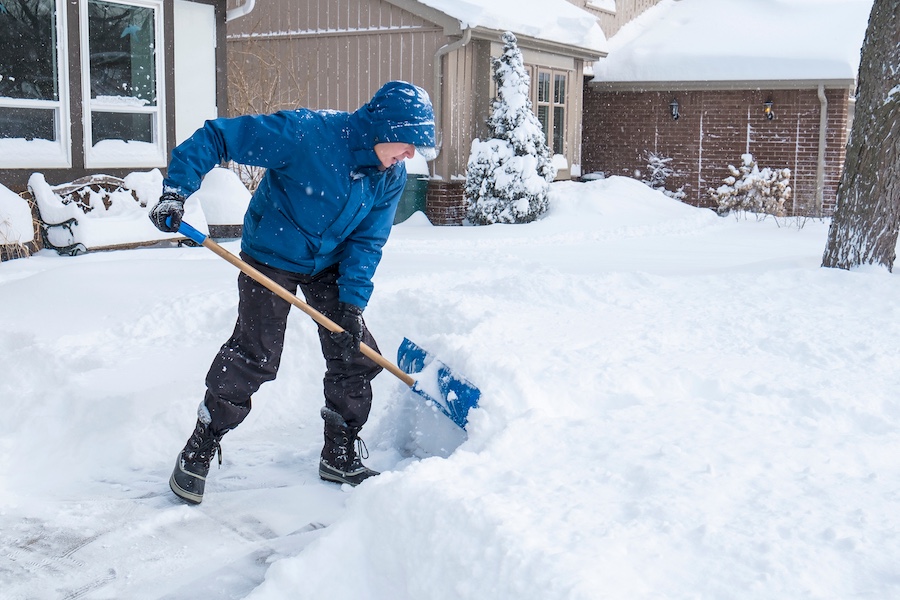
man shoveling heavy snow

The last few weeks have been a reminder that winter in eastern Connecticut can still pack a punch. During the recent blizzard, North Stonington recorded 30.8 inches of snow — the highest total reported in Connecticut. And even when the flakes stop, winter hazards don’t: daytime melting followed by overnight refreezing can create slick sidewalks and black ice on roads. With more cold air (and additional wintry systems) still possible, now is a great time to reset our winter safety habits.

Below are practical ways to protect your back, your balance, and your family—whether you’re shoveling, playing in the snow, or driving in messy conditions.

Shovel Smart: Protect Your Heart, Back, and Shoulders

Shoveling looks like “just another chore,” but it can be surprisingly intense — especially with heavy, wet snow. A large U.S. study found an average of 11,500 snow-shoveling injuries/medical emergencies treated in emergency departments each year, and it recorded 1,647 cardiac-related deaths over the study period.

Before You Start

  • Warm up for 3–5 minutes. A short walk in place, shoulder rolls, and gentle leg stretches can reduce strain.
  • Dress for traction and warmth. Wear warm layers and boots with good grip; consider ice cleats if you’re often on packed snow.
  • Know your risk. If you have heart disease, high blood pressure, or you’re not used to vigorous activity, consider asking someone else to shovel—or using a snow blower.

While You Shovel

  • Push when you can; lift only when you must. Pushing is usually easier on your back.
  • Lift with your legs, not your back. Keep the shovel close, keep loads small, and avoid twisting (turn your whole body instead).
  • Pace yourself. Take a quick break every 10–15 minutes.
  • Take the storm in stages. Clearing a few inches at a time is safer than tackling a heavy end-of-storm pile.
  • Watch the cold + exertion combo. The CDC recommends dressing warmly and avoiding overexertion in cold weather.
  • Snow blower tip: The American Heart Association notes snow blowing generally doesn’t raise heart rate as much as shoveling, but you should still take cold-weather exertion seriously.

Stop Right Away if You Feel Symptoms

If you feel chest pain/pressure, unusual shortness of breath, dizziness, or a racing heartbeat, stop immediately. If symptoms don’t quickly improve, call 9-1-1.

Slip-and-Fall Prevention: Small Steps that Make a Big Difference

Snow and ice don’t just affect driveways — they show up on porch steps, sidewalks, parking lots, and even inside entryways where snow melts into puddles.

Outside: Sidewalks, Stairs, and Driveways

  • Clear a safe path first. Focus on one walkway and the steps/railings you use most.
  • Use salt, sand, or traction material. Reapply after temperature swings and refreezing.
  • Use the railing and keep your hands free. A backpack is safer than carrying items in your hands.
  • Be extra cautious after sundown. Melt/refreeze cycles increase the chance of black ice.

Inside: Prevent Wipeouts at the Door

  • Place sturdy mats inside and outside the entry.
  • Wipe up meltwater promptly.
  • Keep entryways well-lit and clutter-free (boots and wet gloves can quickly become tripping hazards).

Snow Play Safety: Keep Winter Fun (and Safe)

Snow days are exciting—especially for kids. A few quick rules can help prevent injuries.

Sledding Basics

The National Safety Council recommends:

  • Wear a helmet (head injuries are one of the most serious sledding risks).
  • Pick a wide, gently sloped hill with a long, flat run-out.
  • Avoid roads, trees, fences, and poles, and never sled headfirst.
  • Stay off frozen ponds and lakes unless you’re certain conditions are safe.

Avoid Tunnels and Forts in Snowbanks

Plow piles and snowbanks can collapse, and children can be difficult for drivers or plow operators to see — especially near roads and driveways.

Dress for Safe Play

  • Waterproof gloves or mittens, warm socks, and layers.
  • Take warm-up breaks to prevent frostbite and hypothermia.

Driving in Snow and Ice: Slow Down and Stay Seen

Even careful drivers can get caught off guard when roads are slick. During a recent Connecticut storm, State Police reported 83 crashes in a short time window — plus hundreds of motorist assists.

Before You Go

  • Clear all snow and ice from windows, mirrors, lights—and the roof (snow can fly off and hit other cars).
  • Keep an emergency kit: blanket, flashlight, phone charger, water/snacks, small shovel, and traction aid (sand/kitty litter).

On the Road

  • Slow down and increase following distance—more than you normally would.
  • Assume bridges and shaded areas are icy. Black ice is common with refreeze conditions.
  • Avoid sudden braking and sharp turns.
  • If travel isn’t essential, consider delaying until conditions improve.

For more winter-driving preparedness tips, NHTSA offers guidance on vehicle readiness and safe driving habits in winter conditions.

Bottom Line

Big snow totals make headlines — but many injuries happen during cleanup, when sidewalks refreeze, or on the first drive back to normal routines. Winter isn’t quite done, so taking it slower (and planning ahead) can help keep you and your family safe.

Need help shoveling? Consider asking a neighbor, family member, or community resource for assistance — especially for older adults or anyone with heart conditions.
CT Residents Urged to Prepare for Blizzard Conditions Sunday through Monday

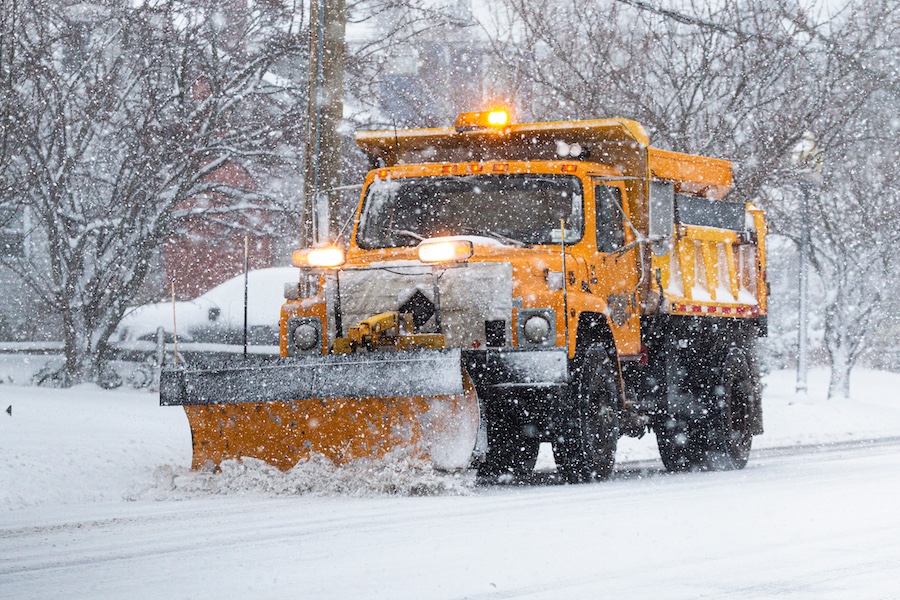
Yellow snowplow clearing a road during a snow storm

State Emergency Operations Center Activated Sunday Afternoon

Governor Ned Lamont today is urging Connecticut residents to prepare for the potential of blizzard conditions impacting the state starting on the night of Sunday, February 22, 2026, and continuing into the morning and throughout the day on Monday, February 23, 2026.

Various weather models currently forecast that the southern half of Connecticut may receive 16 to 22 inches of snow, while the northern half may receive 10 to 16 inches. Some models are predicting higher accumulations. Of particular concern with this approaching storm are the very strong wind gusts that are expected to impact the entire state, with gusts exceeding 50 miles per hour at times. Moderate coastal flooding is also expected during high tide.

The National Weather Service defines a blizzard as a storm containing heavy or blowing snow with winds in excess of 35 miles per hour for at least three hours and visibility frequently less than a quarter mile.

As of this afternoon, Winter Storm Watches have been issued for northern Connecticut, Winter Storm Warnings have been issued for southern Connecticut, and Blizzard Warnings have been issued along the coast, starting at 6:00 a.m. on Sunday and lasting until 6:00 p.m. on Monday.

“The forecast changed very quickly over the last 24 hours, and now it appears that we have a significant storm heading in our direction that is likely to bring blizzard conditions,” Governor Lamont said. “In addition to high rates of snowfall, the particular concern with this storm are the very strong wind gusts, which will make travel extremely dangerous and will cause visibility to be very low. I am urging everyone to plan ahead and stay off the roads on Sunday night and through at least Monday morning. We are monitoring the forecast as it evolves, and I advise everyone to stay alert for updates throughout the weekend.”

Connecticut Emergency Operations Center Partially Activated Sunday

In preparation for the storm, Governor Lamont is ordering a partial in-person activation of the Connecticut Emergency Operations Center (EOC) beginning at 5:00 p.m. on Sunday to monitor conditions and respond quickly to any needs that arise.

Located in Hartford, the EOC is the state’s central emergency management hub, where state leaders, agencies, and partners coordinate information, resources, and strategies to manage emergency situations. Additionally, the state’s five regional emergency management offices will partially activate on Sunday in locations across the state.

Under the state’s emergency management plan, a partial activation means that EOC partners from several primary state agencies responsible for managing emergency situations will coordinate continuously during the storm. A full activation, if needed, requires additional state agencies to participate. Those agencies remain on standby and are providing assistance as needed.

Connecticut’s Fleet of Snowplows is Ready for Deployment; Motorists are Urged to Plan Ahead and Use Caution

The Connecticut Department of Transportation has more than 600 snowplows and specialized equipment ready for deployment across the state. Crews will work around the clock as needed to clear snow and ice and restore safe travel conditions.

Motorists are strongly urged to plan ahead and avoid travel during the height of the storm. If drivers must be on the roads, they are urged to use the following tips:

  • Delay travel if possible: Staying home during the storm is the safest option.
  • Slow down: Reduce speed and allow extra time to stop on snow or ice-covered roads.
  • Leave extra space: Increase the following distance between vehicles, especially behind snowplows.
  • Be vehicle-ready: Keep fuel tanks full or electric vehicles charged and ensure tires and lights are in good condition.
  • Pack emergency supplies: Carry blankets, water, food, a flashlight, a phone charger, and a first aid kit.
  • Stay informed: Monitor forecasts and check real-time traffic and road conditions at CTroads.org before traveling.
  • Never drive impaired: Winter conditions demand full attention and alertness at all times.

When approaching a snowplow, motorists are urged to:

  • Give plows space: Stay well behind plows and avoid their blind spots, especially in the rear corners.
  • Never pass in active plowing zones: Passing snowplows can reduce visibility and increase the risk of collisions with thrown snow or the plow itself.
  • Be patient: Plows often drive slowly to clear snow effectively; crowding or tailgating can endanger both drivers and operators.

For more information about winter driving safety and snowplow awareness, visit nhtsa.gov/winter-driving-tips.

Stay Informed

For real-time updates on incidents that may be impacting state roads, visit CTroads.org.

Those using public transportation are encouraged to sign up for alert notifications with their transit operators, as schedule changes and service disruptions are likely during the storm.

To subscribe to emergency alerts through the state’s CT Alert notification system, visit ct.gov/ctalert.

For emergency management news and resources, visit the state’s CTPrepares website at ct.gov/ctprepares.

Cold Streak: Winter Safety Risks to Avoid During Extended Frigid Weather

A single bitterly cold night is tough. But when ice-cold temperatures hang around for several days, the risks can stack up fast — especially if the power goes out, your home heating is disrupted, or you're improvising to stay warm. Here are the biggest dangers to keep on your radar, plus practical steps you can take to stay safe.

Carbon monoxide: the invisible, fast-moving danger

When heat or electricity is interrupted, people often turn to generators or alternative heat sources. The problem: Carbon monoxide (CO) is colorless and odorless, and it can build up quickly indoors.

High-risk scenarios include:

  • Running a generator in a garage, basement, shed, or near open windows/doors

  • Using charcoal grills, camp stoves, or other outdoor cooking devices indoors

  • Using fuel-burning heaters that aren’t properly vented

Safer habits that save lives:

  • Run generators outdoors only—more than 20 feet from the home, doors, and windows, and aim exhaust away from the house.

  • Install CO alarms (and check batteries). CO alarms are especially important if you use any fuel-burning equipment.

  • If anyone develops headache, dizziness, nausea, confusion, or unusual sleepiness, get to fresh air immediately and call for help—CO poisoning can mimic the flu, but it’s far more urgent.

Winter fire hazards: space heaters and “temporary fixes”

Cold spells also increase home fire risk because we’re using more heat sources—often in bedrooms, living rooms, and near fabrics.

Common winter fire causes:

  • Space heaters too close to curtains, bedding, furniture, or clutter

  • Overloaded outlets, power strips, or extension cords

  • Improper use of ovens or stovetops for heat

  • Fireplace/wood stove misuse or poor maintenance

Reduce fire risk with these basics:

Heating equipment—especially space heaters and heating stoves—accounts for a large share of home heating fire deaths and injuries.

Cold exposure: frostbite and hypothermia can happen faster than you think

When temperatures drop below 20°F, your body loses heat quickly — especially if you’re wet, in the wind, or outside for extended periods (shoveling, walking pets, waiting for a ride, clearing cars).

Frostbite timeline (the key factor is wind chill):

  • The National Weather Service wind chill guidance shows exposed skin can freeze in about 30 minutes under certain wind chill conditions (and faster in more extreme wind chills).

  • Example from NWS materials: 0°F with a 15 mph wind can create a wind chill of around -19°F, at which frostbite can occur in ~30 minutes.

Protect yourself and others:

  • Dress in layers; cover hands, ears, and face; wear wind-resistant outer layers.

  • Take frequent warm-up breaks when shoveling or working outside.

  • Check on neighbors, older adults, and anyone without reliable heat.

Home hazards during deep cold: ice, falls, and roof damage

Icy walkways and slips

Falls are one of the most common winter injuries — often right at home.

  • Clear and treat steps/sidewalks promptly with rock salt or a de-icer, and use sand or kitty litter for traction when needed.

  • Wear footwear with good traction; take short steps and use handrails.

Ice dams and water damage

After cycles of melting and refreezing, ice dams can form along roof edges. When that happens, water can back up under shingles and leak into attics and walls — leading to ceiling damage, insulation issues, and mold risk.

What helps:

  • Safely remove roof-edge snow from the ground using a roof rake (avoid climbing onto icy roofs).

  • Address root causes in the long term: attic insulation and ventilation, and keeping gutters clear.

Resources in CT if you don’t have safe heat or shelter

If you or someone you know is homeless, staying somewhere without working heat, or dealing with a loss of electricity/water, help is available:

If someone is in immediate danger from cold exposure, fire, or suspected carbon monoxide poisoning, call 911 right away.

UPDATE: Governor Extends Cold Severe Cold Weather Protocol Through Feb. 5

Governor Ned Lamont has extended Connecticut’s Severe Cold Weather Protocol through Thursday, February 5, 2026, as forecasts indicate extremely cold temperatures will continue into early February.

This is expected to be an exceptionally frigid period, delivering some of the coldest temperatures the state has experienced so far this season, particularly overnight. Over the next week, temperatures are likely to range from a high of 28 degrees and a low of -2 degrees with wind chills reaching -19 degrees at times.

The purpose of the protocol is to ensure that the most vulnerable populations receive protection from severe cold, which can be life-threatening if exposed to the elements for extended periods. While enacted, a system is set up for state agencies and municipalities to coordinate with United Way 2-1-1 and Connecticut’s network of shelters to make sure that anyone in need can access shelter from the outdoors, including transportation to shelters.

Anyone in need of shelter or a warming center is urged to visit 211ct.org or call 2-1-1 to find available locations. Transportation can be provided if necessary.

“We’re about to experience some of the coldest weather Connecticut has had in quite a while, and it cannot be stressed enough that temperatures this low can be fatal if someone is outside for too long,” Governor Lamont said. “This protocol enables us to partner with municipalities and nonprofits to see that shelters and warming centers are available for anyone in need. I also urge everyone to bring their pets indoors during this period because these conditions can be extremely dangerous for them, as well.”

The following actions are implemented while the protocol is enacted:

  • The Connecticut Department of Emergency Services and Public Protection’s Division of Emergency Management and Homeland Security uses its WebEOC communications network, an internet-based system that enables local, regional, and state emergency management officials and first responders to share up-to-date information on a variety of situations and conditions. The system monitors capacity at shelters across the state, enabling 2-1-1 to act as a clearinghouse to help find shelter space for those who need it. Local officials, working through WebEOC, can alert 2-1-1 and the state when they open temporary shelters or warming centers.
  • The Connecticut Department of Social Services, Connecticut Department of Housing, and Connecticut Department of Mental Health and Addiction Services coordinate with 2-1-1 and the Connecticut Coalition to End Homelessness, along with community-based providers, to provide transportation for people seeking shelter.

For emergency management news and resources, visit the state’s CTPrepares website at ct.gov/ctprepares.