During National Volunteer Week, April 19–25, 2026, Uncas Health District is proud to recognize the individuals whose service helps protect the health, safety, and resilience of our communities. National Volunteer Week is a longstanding annual observance that honors the impact of volunteer service and the many ways volunteers strengthen communities across the country.
Across the towns served by Uncas Health District, volunteerism remains an essential part of everyday life. In public health and community safety, volunteers help sustain the networks residents rely on in both routine and emergency situations. Their service often happens quietly, but its value is seen every day in stronger preparedness, broader community support, and a deeper sense of local connection.
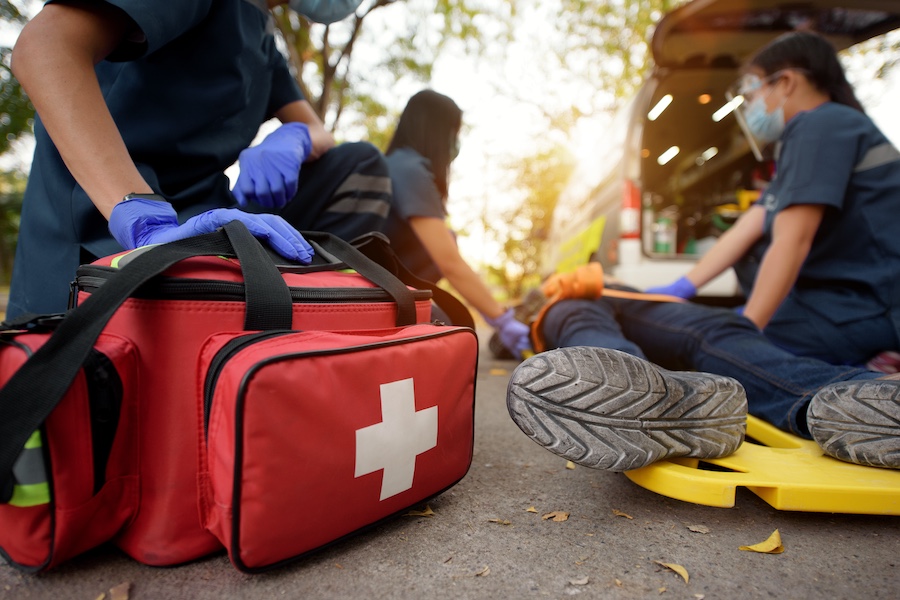
In many communities within the Uncas Health District, volunteer fire and EMS resources are an important part of local emergency response. That commitment is visible across Eastern Connecticut, where volunteer departments continue to provide fire protection and emergency medical services to their towns and surrounding areas.
Volunteerism is equally important in public health. At Uncas Health District, we see firsthand how health professionals, community members, and local partners contribute their time and expertise in support of clinics, education, outreach, preparedness, and community wellness initiatives. These efforts help extend the reach of public health services and strengthen our ability to respond to community needs in meaningful and practical ways.
One of the clearest examples of this commitment is the Uncas Health District Medical Reserve Corps (Uncas MRC), Region 4. The Uncas MRC is part of a national network of community-based volunteers who support public health infrastructure during emergencies and help strengthen community preparedness year-round. The program serves the Uncas Health District’s 11 municipalities — Bozrah, Franklin, Griswold, Lebanon, Lisbon, Montville, Norwich, Preston, Salem, Sprague, and Voluntown — and welcomes both medical professionals and non-medical support personnel.
Through the Medical Reserve Corps, volunteers receive free training and participate in drills, exercises, and community activities that prepare them to assist when needed. Uncas Health District notes that MRC volunteers support efforts such as flu clinics, health expos, recruitment events, and preparedness outreach, helping build a stronger and more resilient public health system across the region.
This is an important reminder that volunteer service in public health takes many forms. Some volunteers respond directly in emergencies. Others contribute through education, planning, clinic support, outreach, and preparedness efforts that help communities remain informed and connected. Whether serving through fire and EMS organizations, public health programs, or the Medical Reserve Corps, volunteers make a meaningful contribution to the well-being of our towns.
At Uncas Health District, we recognize that strong communities depend on collaboration. Public health is most effective when supported not only by agencies and systems, but also by individuals who are willing to share their time, skills, and commitment in service to others. Volunteers help strengthen local service capacity, improve community readiness, and reinforce partnerships that protect health and safety throughout the district.
This National Volunteer Week, Uncas Health District extends sincere appreciation to all those who volunteer in support of community health, emergency response, and public service. We are especially grateful to the members of our Medical Reserve Corps, as well as the volunteer fire and EMS personnel and community partners whose dedication continues to make a lasting difference across our region.
Their service reflects the very best of public health in action: local, responsive, compassionate, and rooted in community.