
National Nutrition Month: Practical, Affordable Tips for Eating Healthy

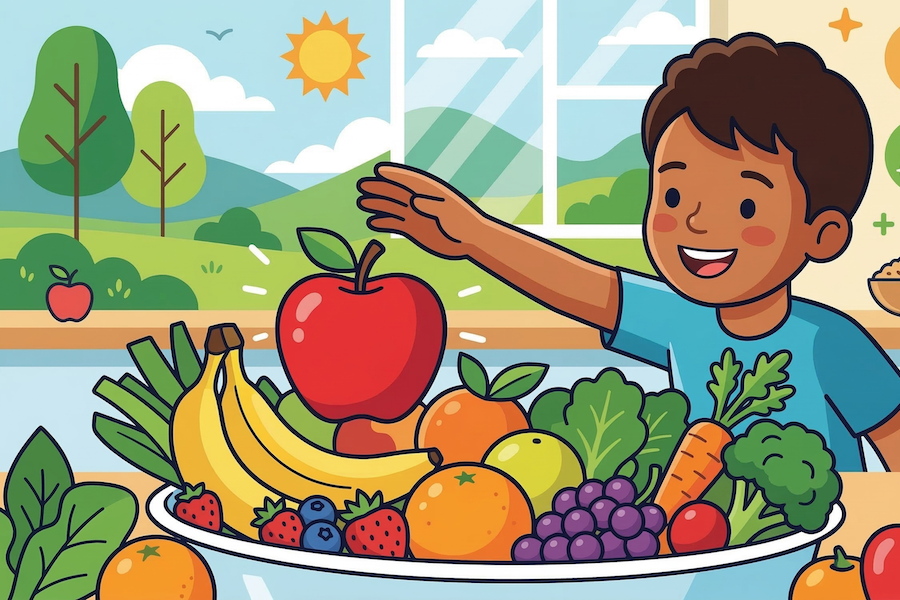
Boy reaching for fresh fruit

As we begin to come out of winter and look ahead to spring, it is a good time to reset routines and make a few modest changes that support better health. That is very much the spirit of National Nutrition Month, held each March to encourage informed food choices and healthy eating habits.

Start Small This Spring

After a long winter, many of us are ready for a fresh start. The good news is that healthier eating does not have to mean expensive groceries, a perfect diet, or a total pantry overhaul. Small, realistic changes — like planning meals, choosing water more often, or adding one more fruit or vegetable to your day — can add up over time. USDA MyPlate encourages practical, budget-conscious steps that make healthy eating more manageable.

Healthy Eating Can Be Realistic and Accessible

It is also important to recognize that healthy eating looks different from household to household. Not everyone has easy access to fresh fruits and vegetables because of cost, transportation, work schedules, or limited nearby options. That is why it helps to think beyond “fresh only.” USDA guidance notes that frozen, canned, and dried fruits and vegetables can also be nutritious, practical, and budget-friendly choices.

Practical Tips for Eating Well on a Budget

Plan a few meals before you shop

A simple plan can help reduce waste and curb impulse purchases. Check what you already have at home, make a short grocery list, and think about meals that can stretch into leftovers for lunch the next day. MyPlate recommends planning ahead as one of the easiest ways to eat well on a budget.

Choose produce in forms that fit your budget

Fresh produce is great, but it is not the only option. Frozen vegetables, canned beans, canned fruit packed in juice, and dried fruits can all help make meals and snacks more nutritious while lasting longer in the pantry or freezer. USDA specifically recommends looking beyond fresh when price or shelf life is a concern.

Build snacks that help you stay full

Try pairing fiber and protein when possible. Apples with peanut butter, yogurt with fruit, carrots with hummus, or whole-grain crackers with cheese are simple examples that can be more satisfying than snacks high in added sugar.

Drink more water and fewer sugary beverages

Choosing water more often is one small change that can make a real difference. Reading the Nutrition Facts label can also help you spot added sugars in drinks and packaged foods. FDA guidance says the label is designed to help consumers make informed choices, including around added sugars.

Be thoughtful about “healthy” sweetener swaps

Honey may sound like a better option than sugar, but it still counts as an added sugar. Rather than simply swapping one sweetener for another, a more helpful goal is often to gradually use less added sugar overall. Try flavoring oatmeal or yogurt with fruit, cinnamon, or vanilla instead.

Keep affordable basics on hand

A few low-cost staples can make healthy eating easier: oats, brown rice, beans, eggs, peanut butter, tuna, frozen vegetables, and frozen fruit are all versatile options that store well and can be used in many meals.

Use Spring as a Reset — Not a Pressure Test

Spring does not have to be about a major lifestyle overhaul. It can simply be a season to take a few steps in a healthier direction. Add one fruit to your breakfast. Pack a better snack. Try one more home-cooked meal each week. Small changes are often the most sustainable ones.

Local Resources for Healthier Eating on a Budget

For Connecticut residents who need extra support, there are programs designed to make healthier food more accessible:

A Healthy Spring Starts with Simple Choices

This National Nutrition Month, the goal is not perfection. It is progress. As winter gives way to spring, even a few modest changes can help improve energy, support long-term health, and make meals and snacks a little more nourishing. Start where you are, use what you have, and remember that healthy eating can be practical, flexible, and achievable.

Eating of the Green: The Benefits of Working More Greens Into Your Diet

This St. Patrick’s Day, Uncas Health District is encouraging you to add a little more green to your day — in the form of nutritious greens!

Yes, we know that the occasion is usually celebrated with richer foods (and drinks). But since St. Patrick’s Day takes place during National Nutrition Month, it’s also a perfect opportunity to explore vibrant, healthy greens that can boost your well-being. Here’s how the “eating of the green” can be good for you.


The Power of Green

There’s a reason your parents told you to eat your broccoli when you were a kid. Green vegetables are nutritional powerhouses, packed with essential vitamins, minerals, and antioxidants. Here’s why they deserve a place on your plate:

  • Vitamins and Minerals: Greens provide a rich array of vitamins and minerals, supporting everything from immune function and vision to bone health and blood clotting.
  • Fiber: Leafy greens are excellent sources of dietary fiber, which promotes digestive health, helps regulate blood sugar, and can aid in weight management.
  • Antioxidants: Greens contain antioxidants that protect your cells from damage caused by free radicals, reducing the risk of chronic diseases.
  • Hydration: Many greens have a high water content, helping you stay hydrated.


No Shortage of Greens to Try

There are so many different types of greens to include in your diet, and each one brings something to the table. Here’s a look at some of the key nutrients you can find in some of the more popular options: 

  • Spinach: Vitamins A, C, E, and K, as well as iron, calcium, magnesium, and potassium
  • Kale: Vitamins A, C, and K, as well as fiber and antioxidants.
  • Collard Greens: Calcium and vitamin K.
  • Broccoli: Vitamin C, fiber, and antioxidants.
  • Brussels Sprouts: Vitamins K and C, as well as fiber.
  • Lettuce: Vitamins A, C, and K, as well as fiber and potassium. Romaine and other darker varieties are more nutritious than iceberg lettuce.
  • Green Beans: Vitamins A, C, and K, as well as fiber.
  • Asparagus: Folate and vitamins K and A.
  • Herbs: While they are often served in small quantities, herbs can provide additional nutritional value through assorted vitamins, minerals, and antioxidants.

Getting More Greens into Your Diet

People often have difficulties getting enough greens into their diet. Factors such as busy schedules or concerns about vegetables going bad can cause people to choose more convenient (but less healthy) options instead. Here are some ways you can routinely incorporate greens into your diet. 

    • Start a Garden: This provides a ready source of greens right at your own home! Even a small container garden can add plenty of fresh vegetable options to your meal plan
    • Make More Salads: Regularly include a side salad with your meals, and experiment with different greens, toppings, and dressings
    • Have a Smoothie: Spinach, kale, or other greens are perfect for blending into smoothies for a nutritional boost.
    • Green Cooking: Sautee greens with garlic, olive oil, and a squeeze of lemon for an easy side dish, or work them into dishes like soups, stews, omelets, and stir frys
    • Green Baking: Spinach or kale can be baked into crispy chips, or mixed into muffins, breads, or even brownies for a secret dose of greens.

By incorporating more greens into our diets, we can feel healthier and more energized. So, go ahead and “eat the green” – your body will thank you!

Building Healthy Habits for Balanced Eating

March is National Nutrition Month, encouraging people to prioritize healthy eating as part of their overall well-being. The Mobile Health Team at Uncas Health District has been emphasizing this topic during their regular stops in the community, demonstrating how good nutrition is essential to staying healthy.

Here’s a look at why good nutrition is important, no matter what your age, as well as some helpful guidance on how you can develop healthy nutrition habits.


The Importance of Nutrition

  • For Children and Adolescents: Proper nutrition fuels growth, supports brain development, and builds a strong foundation for their health in adulthood. 
  • For Adults: A balanced diet provides the proper energy for daily activities, helps prevent weight gain and obesity, and reduces the risk of chronic diseases like heart disease, diabetes, and certain cancers.
  • For Older Adults: Good nutrition supports the changing needs that come with aging, helping older adults to maintain their muscle mass, strengthen their bones, and boost immunity.
  • General Benefits: Good nutrition has several universal benefits, including improved mood, better sleep, and overall vitality. 


MyPlate.gov: Your Guide to Balanced Eating

A great resource for creating balanced meals is MyPlate.gov, a simple, visual guide from the U.S. Department of Agriculture (USDA). If you’re still relying on the old food pyramid, MyPlate.gov is the place to go for updated guidance. It makes healthy eating easy to understand by emphasizing five food groups and their proportions:

  • Fruits: About a quarter of your plate should include fruits, featuring a variety of colors to provide a full range of vitamins and minerals.
  • Vegetables: Another quarter of your plate should be vegetables, prioritizing dark green, red, and orange vegetables for maximum nutrition.
  • Grains: A third quarter of your plate should include grains, which are essential for digestive health; make at least half of your grains whole grains, which are rich in fiber and great for your digestive health.
  • Protein: The last quarter of your plate should include lean protein sources like poultry, fish, beans, and nuts to help with building and repairing tissues.
  • Dairy: Older children and adults should have about three cups a day of low-fat or fat-free dairy products (or fortified soy alternatives) to provide calcium and vitamin D for bone health.


Healthy Habits to Embrace

Implementing the MyPlate.gov recommendations into your daily life is easier than you might think. Here are some practical tips:

  • Plan Your Meals: Once a week, plot out the meals you’d like to make for a week ahead. This will help you make healthier choices during your shopping trips and avoid impulse purchases. Home-cooked meals also tend to be healthier than restaurant or takeout food since you have more control over ingredients and portion sizes.
  • Involve the Whole Family: Make healthy eating a family affair! Explore new recipes, cook them together, and encourage each other to make healthy choices.
  • Snack Smart: Choose healthy snacks like fruits, vegetables, nuts, or yogurt instead of processed snacks that are high in fat or sugar.
  • Make Gradual Changes: Changing your diet takes time. Start by making small, manageable changes, like adding an extra serving of vegetables to your meals.

Adopting a healthy lifestyle is a continuous process. By following the MyPlate.gov recommendations and incorporating healthy habits into your daily routine, you can improve your overall health and well-being. Remember, small changes can make a big difference.

Food Connects Us: Celebrating National Nutrition Month 2025

girl giving her dad a cherry tomato while cooking

March is National Nutrition Month®, an annual initiative by the Academy of Nutrition and Dietetics designed to highlight the importance of informed food choices and healthy lifestyle habits. This year’s theme, “Food Connects Us,” emphasizes how nutrition not only fuels our bodies but also brings people together, fostering cultural appreciation, social connection, and overall well-being.

The State of Nutrition in the U.S.

Nutrition plays a crucial role in overall health, yet many Americans struggle with diet-related health concerns. According to the Centers for Disease Control and Prevention (CDC), 42% of adults in the U.S. are classified as obese, a condition linked to an increased risk of heart disease, stroke, type 2 diabetes, and certain cancers (CDC, 2023). Poor dietary habits, combined with a lack of physical activity, contribute to this growing public health challenge.

The impact of nutrition goes beyond individual health; it affects communities, economies, and healthcare systems. Studies indicate that diet-related chronic diseases account for approximately $173 billion in annual medical costs in the U.S. By focusing on healthier eating habits and regular physical activity, we can reduce these risks and improve overall quality of life.

Healthy Eating Habits for a Better Life

Improving nutrition doesn’t have to be overwhelming. Small, sustainable changes can make a significant impact. Here are some practical tips to incorporate better eating habits into daily life:

  1. Emphasize Whole Foods: Choose fruits, vegetables, whole grains, lean proteins, and healthy fats over processed foods.
  2. Practice Portion Control: Be mindful of serving sizes to avoid overeating, even with healthy foods.
  3. Stay Hydrated: Water is essential for digestion, metabolism, and overall bodily function. Aim for at least 8 cups a day.
  4. Plan and Prepare Meals: Cooking at home allows for better control over ingredients and portion sizes.
  5. Reduce Added Sugars and Sodium: Excessive sugar and salt intake can lead to health issues such as high blood pressure and diabetes.
  6. Listen to Your Body: Eat when hungry and stop when full, practicing intuitive eating rather than restrictive dieting.

The Role of Physical Activity

Nutrition and exercise go hand in hand. The Physical Activity Guidelines for Americans recommend at least 150 minutes of moderate-intensity aerobic activity per week. Regular physical activity helps maintain a healthy weight, strengthens muscles and bones, reduces the risk of chronic diseases, and boosts mental health.

The Social and Cultural Power of Food

This year’s theme, “Food Connects Us,” highlights the way meals bring families, friends, and communities together. Across cultures, food traditions are a means of storytelling, heritage preservation, and community bonding. Whether it’s sharing a home-cooked meal, participating in a community garden, or exploring new cuisines, food fosters social connections that contribute to mental and emotional well-being.

Taking Action This National Nutrition Month®

National Nutrition Month® is a great opportunity to evaluate personal eating habits and make positive changes. Here are a few ways to get involved:

  • Join Local Events: Many communities host nutrition workshops, cooking demonstrations, and health screenings.
  • Try a New Healthy Recipe: Experimenting with nutrient-rich ingredients can make healthy eating enjoyable.
  • Encourage Workplace Wellness: Advocate for healthier food options and wellness programs at work.
  • Educate Others: Share resources and knowledge to help family and friends make informed food choices.

By prioritizing nutrition and embracing the power of food to connect us, we can build healthier, stronger communities. This March, take small steps toward better nutrition and well-being—because when we eat well, we live well.

More From Uncas Health District