
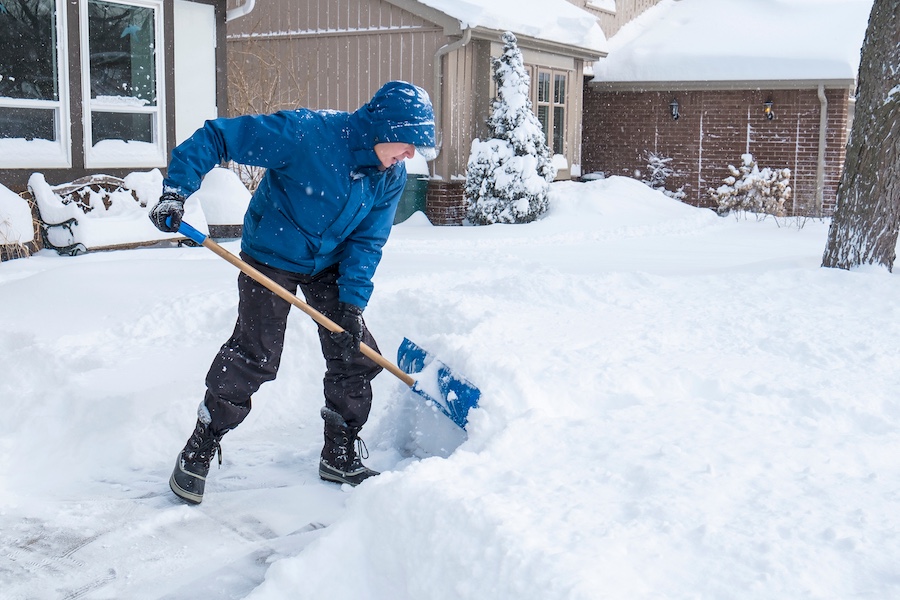
The last few weeks have been a reminder that winter in eastern Connecticut can still pack a punch. During the recent blizzard, North Stonington recorded 30.8 inches of snow — the highest total reported in Connecticut. And even when the flakes stop, winter hazards don’t: daytime melting followed by overnight refreezing can create slick sidewalks and black ice on roads. With more cold air (and additional wintry systems) still possible, now is a great time to reset our winter safety habits.
Below are practical ways to protect your back, your balance, and your family—whether you’re shoveling, playing in the snow, or driving in messy conditions.
Shovel Smart: Protect Your Heart, Back, and Shoulders
Shoveling looks like “just another chore,” but it can be surprisingly intense — especially with heavy, wet snow. A large U.S. study found an average of 11,500 snow-shoveling injuries/medical emergencies treated in emergency departments each year, and it recorded 1,647 cardiac-related deaths over the study period.
Before You Start
- Warm up for 3–5 minutes. A short walk in place, shoulder rolls, and gentle leg stretches can reduce strain.
- Dress for traction and warmth. Wear warm layers and boots with good grip; consider ice cleats if you’re often on packed snow.
- Know your risk. If you have heart disease, high blood pressure, or you’re not used to vigorous activity, consider asking someone else to shovel—or using a snow blower.
While You Shovel
- Push when you can; lift only when you must. Pushing is usually easier on your back.
- Lift with your legs, not your back. Keep the shovel close, keep loads small, and avoid twisting (turn your whole body instead).
- Pace yourself. Take a quick break every 10–15 minutes.
- Take the storm in stages. Clearing a few inches at a time is safer than tackling a heavy end-of-storm pile.
- Watch the cold + exertion combo. The CDC recommends dressing warmly and avoiding overexertion in cold weather.
- Snow blower tip: The American Heart Association notes snow blowing generally doesn’t raise heart rate as much as shoveling, but you should still take cold-weather exertion seriously.
Stop Right Away if You Feel Symptoms
If you feel chest pain/pressure, unusual shortness of breath, dizziness, or a racing heartbeat, stop immediately. If symptoms don’t quickly improve, call 9-1-1.
Slip-and-Fall Prevention: Small Steps that Make a Big Difference
Snow and ice don’t just affect driveways — they show up on porch steps, sidewalks, parking lots, and even inside entryways where snow melts into puddles.
Outside: Sidewalks, Stairs, and Driveways
- Clear a safe path first. Focus on one walkway and the steps/railings you use most.
- Use salt, sand, or traction material. Reapply after temperature swings and refreezing.
- Use the railing and keep your hands free. A backpack is safer than carrying items in your hands.
- Be extra cautious after sundown. Melt/refreeze cycles increase the chance of black ice.
Inside: Prevent Wipeouts at the Door
- Place sturdy mats inside and outside the entry.
- Wipe up meltwater promptly.
- Keep entryways well-lit and clutter-free (boots and wet gloves can quickly become tripping hazards).
Snow Play Safety: Keep Winter Fun (and Safe)
Snow days are exciting—especially for kids. A few quick rules can help prevent injuries.
Sledding Basics
The National Safety Council recommends:
- Wear a helmet (head injuries are one of the most serious sledding risks).
- Pick a wide, gently sloped hill with a long, flat run-out.
- Avoid roads, trees, fences, and poles, and never sled headfirst.
- Stay off frozen ponds and lakes unless you’re certain conditions are safe.
Avoid Tunnels and Forts in Snowbanks
Plow piles and snowbanks can collapse, and children can be difficult for drivers or plow operators to see — especially near roads and driveways.
Dress for Safe Play
- Waterproof gloves or mittens, warm socks, and layers.
- Take warm-up breaks to prevent frostbite and hypothermia.
Driving in Snow and Ice: Slow Down and Stay Seen
Even careful drivers can get caught off guard when roads are slick. During a recent Connecticut storm, State Police reported 83 crashes in a short time window — plus hundreds of motorist assists.
Before You Go
- Clear all snow and ice from windows, mirrors, lights—and the roof (snow can fly off and hit other cars).
- Keep an emergency kit: blanket, flashlight, phone charger, water/snacks, small shovel, and traction aid (sand/kitty litter).
On the Road
- Slow down and increase following distance—more than you normally would.
- Assume bridges and shaded areas are icy. Black ice is common with refreeze conditions.
- Avoid sudden braking and sharp turns.
- If travel isn’t essential, consider delaying until conditions improve.
For more winter-driving preparedness tips, NHTSA offers guidance on vehicle readiness and safe driving habits in winter conditions.
Bottom Line
Big snow totals make headlines — but many injuries happen during cleanup, when sidewalks refreeze, or on the first drive back to normal routines. Winter isn’t quite done, so taking it slower (and planning ahead) can help keep you and your family safe.
Need help shoveling? Consider asking a neighbor, family member, or community resource for assistance — especially for older adults or anyone with heart conditions.