Colorectal Cancer Screening: Options, What to Expect, and When to Start

Doctor and man talking about colonoscopy options.

As we head into Colorectal Cancer Awareness Month, it’s time to talk about the one cancer "success story" we can all get behind: prevention.

Colorectal cancer remains a major health challenge. For 2026, the American Cancer Society (ACS) estimates roughly 158,000 new cases and 55,000 deaths in the U.S. alone. While rates are dropping in older adults, diagnoses in people under 50 are on the rise — making it the leading cause of cancer death in men under 50 and second for women.

The silver lining? This is one of the few cancers that can be stopped before it even starts. By finding and removing precancerous polyps, screening doesn't just find cancer — it can prevent it.

When Should You Start?

Guidelines have shifted recently due to a rising trend among younger adults. Here is the current roadmap for those at average risk:

  • Ages 45–75: This is the "screening window." If you are in this age bracket, regular screening is a must.
  • Ages 76–85: Screening is an individual decision. Talk to your doctor about your health history and prior results.
  • Ages 85+: Screening is generally no longer recommended.

Are You "Average Risk"?

Most people are, but you might need to start earlier than 45 if you have:

  • A family history of colorectal cancer or certain polyps.
  • A personal history of inflammatory bowel disease (Ulcerative Colitis or Crohn’s).
  • A known hereditary syndrome (like Lynch syndrome or FAP).
  • A history of radiation to the abdomen or pelvis.

Pro Tip: If a close relative was diagnosed, find out how old they were. Doctors often recommend starting screening 10 years earlier than the age at which your relative was diagnosed.

Your 2026 Screening Menu: Which Test is Best?

There is no "single best test" for everyone. The best test is the one you actually complete. Most options fall into these categories:

Screening Options at a Glance

Stool-Based (FIT) Every Year At home; No prep; Non-invasive. Must be done every single year.
Stool DNA (FIT-DNA) Every 3 Years Highly convenient; No prep. Higher rate of "false positives" than colonoscopy.
Colonoscopy Every 10 Years Can find AND remove polyps in one visit. Requires bowel prep and a day off for sedation.
CT Colonography Every 5 Years Non-invasive "virtual" scan. Still requires bowel prep; can't remove polyps.

The "Golden Rule" of Stool Tests

If you choose an at-home stool test (like FIT or Cologuard) and it comes back abnormal/positive, you must follow up with a colonoscopy. Without that second step, the screening isn't complete. In 2026, many insurance plans now cover this follow-up colonoscopy as part of the screening process, but always double-check your coverage.

Listen to Your Body: Symptoms to Watch For

Screening is for people who feel fine. If you are experiencing any of the following, don't wait for your next scheduled screening — call your doctor now:

  • Changes in bowel habits (diarrhea, constipation, or narrowing of the stool) lasting more than a few days.
  • Rectal bleeding or blood in the stool (which may look dark or tarry).
  • Abdominal cramping or persistent gas pain.
  • Unexplained weight loss.
  • Weakness or excessive fatigue (often a sign of anemia).

Your March Action Plan

  1. Check the Calendar: If you’re 45 or older and haven’t been screened, this is your sign.
  2. Gather the History: Ask your parents or siblings about their history with polyps or cancer.
  3. Choose Your Path: Ask your doctor: "Based on my history, am I a candidate for an at-home test, or should we go straight to a colonoscopy?"
  4. Follow Through: If you choose a yearly test, set a recurring calendar alert.

Bottom Line: Colorectal cancer is highly treatable and often preventable. When caught at a localized stage, the 5-year survival rate is 91%. Give yourself the gift of a clean bill of health this March.

This article is for general education and isn’t a substitute for personal medical advice. Always consult with a healthcare professional to determine the best screening plan for your specific health profile.

CT Residents Urged to Prepare for Blizzard Conditions Sunday through Monday

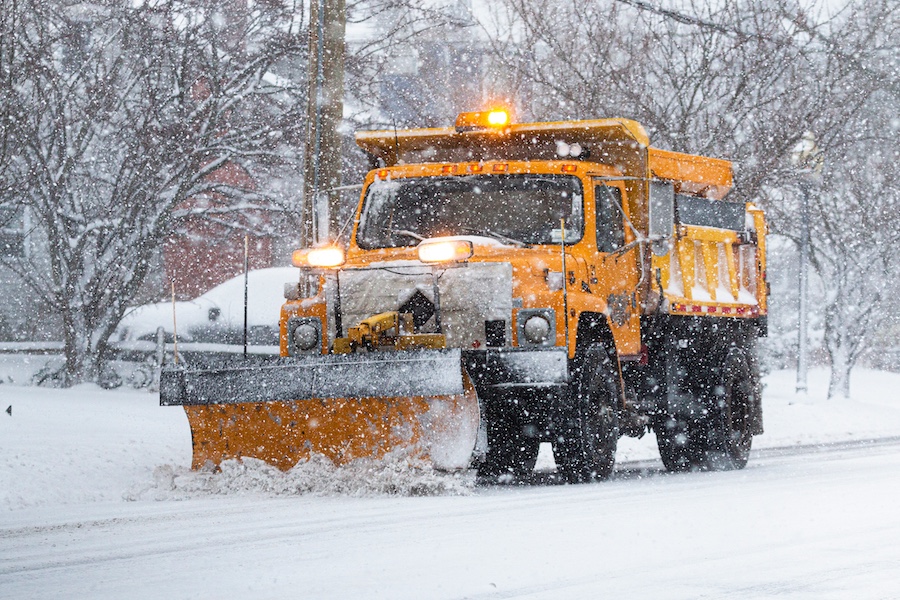
Yellow snowplow clearing a road during a snow storm

State Emergency Operations Center Activated Sunday Afternoon

Governor Ned Lamont today is urging Connecticut residents to prepare for the potential of blizzard conditions impacting the state starting on the night of Sunday, February 22, 2026, and continuing into the morning and throughout the day on Monday, February 23, 2026.

Various weather models currently forecast that the southern half of Connecticut may receive 16 to 22 inches of snow, while the northern half may receive 10 to 16 inches. Some models are predicting higher accumulations. Of particular concern with this approaching storm are the very strong wind gusts that are expected to impact the entire state, with gusts exceeding 50 miles per hour at times. Moderate coastal flooding is also expected during high tide.

The National Weather Service defines a blizzard as a storm containing heavy or blowing snow with winds in excess of 35 miles per hour for at least three hours and visibility frequently less than a quarter mile.

As of this afternoon, Winter Storm Watches have been issued for northern Connecticut, Winter Storm Warnings have been issued for southern Connecticut, and Blizzard Warnings have been issued along the coast, starting at 6:00 a.m. on Sunday and lasting until 6:00 p.m. on Monday.

“The forecast changed very quickly over the last 24 hours, and now it appears that we have a significant storm heading in our direction that is likely to bring blizzard conditions,” Governor Lamont said. “In addition to high rates of snowfall, the particular concern with this storm are the very strong wind gusts, which will make travel extremely dangerous and will cause visibility to be very low. I am urging everyone to plan ahead and stay off the roads on Sunday night and through at least Monday morning. We are monitoring the forecast as it evolves, and I advise everyone to stay alert for updates throughout the weekend.”

Connecticut Emergency Operations Center Partially Activated Sunday

In preparation for the storm, Governor Lamont is ordering a partial in-person activation of the Connecticut Emergency Operations Center (EOC) beginning at 5:00 p.m. on Sunday to monitor conditions and respond quickly to any needs that arise.

Located in Hartford, the EOC is the state’s central emergency management hub, where state leaders, agencies, and partners coordinate information, resources, and strategies to manage emergency situations. Additionally, the state’s five regional emergency management offices will partially activate on Sunday in locations across the state.

Under the state’s emergency management plan, a partial activation means that EOC partners from several primary state agencies responsible for managing emergency situations will coordinate continuously during the storm. A full activation, if needed, requires additional state agencies to participate. Those agencies remain on standby and are providing assistance as needed.

Connecticut’s Fleet of Snowplows is Ready for Deployment; Motorists are Urged to Plan Ahead and Use Caution

The Connecticut Department of Transportation has more than 600 snowplows and specialized equipment ready for deployment across the state. Crews will work around the clock as needed to clear snow and ice and restore safe travel conditions.

Motorists are strongly urged to plan ahead and avoid travel during the height of the storm. If drivers must be on the roads, they are urged to use the following tips:

  • Delay travel if possible: Staying home during the storm is the safest option.
  • Slow down: Reduce speed and allow extra time to stop on snow or ice-covered roads.
  • Leave extra space: Increase the following distance between vehicles, especially behind snowplows.
  • Be vehicle-ready: Keep fuel tanks full or electric vehicles charged and ensure tires and lights are in good condition.
  • Pack emergency supplies: Carry blankets, water, food, a flashlight, a phone charger, and a first aid kit.
  • Stay informed: Monitor forecasts and check real-time traffic and road conditions at CTroads.org before traveling.
  • Never drive impaired: Winter conditions demand full attention and alertness at all times.

When approaching a snowplow, motorists are urged to:

  • Give plows space: Stay well behind plows and avoid their blind spots, especially in the rear corners.
  • Never pass in active plowing zones: Passing snowplows can reduce visibility and increase the risk of collisions with thrown snow or the plow itself.
  • Be patient: Plows often drive slowly to clear snow effectively; crowding or tailgating can endanger both drivers and operators.

For more information about winter driving safety and snowplow awareness, visit nhtsa.gov/winter-driving-tips.

Stay Informed

For real-time updates on incidents that may be impacting state roads, visit CTroads.org.

Those using public transportation are encouraged to sign up for alert notifications with their transit operators, as schedule changes and service disruptions are likely during the storm.

To subscribe to emergency alerts through the state’s CT Alert notification system, visit ct.gov/ctalert.

For emergency management news and resources, visit the state’s CTPrepares website at ct.gov/ctprepares.

Cancer Prevention & Early Detection: A Roadmap for Every Age

daughter and father eating heathy foods.

Cancer is a heavy word, but prevention is where you take your power back. The goal isn’t perfection; it’s about understanding your risks and staying ahead of the clock. Most screenings come back normal. When they don’t, catching things early—at the "precancerous" or early stage—is a total game-changer for treatment.

What’s Actually Driving Your Risk?

It’s helpful to separate the "fixed" from the "flexible" so you know where to focus your energy.

Factors You Can't Change

Age: Risk naturally increases over time.

Genetics: Your family's health history.

Past History: Prior radiation or conditions.

Biology: Hormones and reproductive history.

Factors You Can Influence

Tobacco & Alcohol: The two biggest movers.

Metabolic Health: Diet and physical activity.

UV Exposure: Sun protection and tanning.

Infections: Staying current on HPV and Hep B/C.

Prevention Basics: The "Big Wins"

You don’t have to overhaul your entire life today. These four habits offer the highest "return on investment" for your health:

  • Tobacco: Support > Willpower. Quitting is hard, but you don't have to white-knuckle it. Using coaching and nicotine replacement (patches/gum) doubles your chances of success.

  • Alcohol: The "Less is Better" Approach. You don't necessarily have to totally abstain from drinking, but cutting back — even by two drinks a week — lowers risk for several cancers (including breast and colon).

  • Movement & Fiber: Focus on "crowding out" the bad stuff. Adding fiber (beans, berries, grains) and walking 20 minutes a day creates a metabolic environment where cancer has a harder time starting.

  • Test Your Home for Radon: In Connecticut, radon is a significant but invisible risk. It’s the leading cause of lung cancer in non-smokers.

Screening Timeline: What to Do & When

Note: This is for average-risk individuals. If you have a family history, your "start date" might be 10 years earlier than what is listed below.

Teens & 20s: The Foundation

  • HPV Vaccination: Ideally completed by age 11–12, but "catch-up" shots are effective through age 26 (and sometimes up to 45).

  • Cervical Cancer: Screening (Pap tests) begins at age 21.

  • Know Your Roots: Ask your relatives about their health history now. It’s easier to get these details before records get lost.

Ages 30–39: The Maintenance Phase

  • Cervical Screening: Continue Pap/HPV testing as recommended by your doctor.

  • Risk Check-in: A great time to discuss family history changes or lifestyle goals with your primary care provider.

Ages 40–49: The Shift to Proactive

  • Breast Cancer: Routine mammograms now officially begin at age 40 for most women.

  • Colorectal Cancer: Screening starts at age 45. You can choose between a colonoscopy or an at-home stool test (like Cologuard).

Age 50–70+: Staying Vigilant

  • Lung Cancer: If you have a 20-pack-year smoking history, ask about a yearly low-dose CT scan.

  • Prostate Cancer: Starting at age 55 (or earlier for Black men), have a "shared decision-making" talk with your doctor about PSA testing.

  • Hepatitis C: A one-time blood test is recommended for all adults to prevent liver cancer.

The "Red Flag" Rule: Regardless of your age or when your last screening was, see a doctor for:

  • Unexplained weight loss

  • Lumps or skin changes

  • Changes in bowel habits or unusual bleeding

  • A cough that won't quit

Heart Health Month: Small Changes for a Healthier Heart

Heart Health Month

Heart Health Month is a good reminder that heart disease doesn’t appear overnight—and neither does prevention. The encouraging news: everyday choices can make a real difference. According to the American Heart Association, cardiovascular disease (CVD) was listed as the underlying cause of 941,652 deaths in the U.S. in 2022, and 48.6% of U.S. adults had some form of CVD between 2017–2020.

Even if you feel “fine,” risk factors can quietly build over time. The American Heart Association’s 2025 statistics update highlights how common several major risks are: nearly 47% of U.S. adults have high blood pressure, more than 72% have unhealthy weight, and 57% have type 2 diabetes or prediabetes.

Below are practical, realistic ways to start caring for your heart—without a total lifestyle overhaul.

Start with a Simple Checklist: American Heart Association’s “Life’s Essential 8”

The American Heart Association summarizes the biggest drivers of heart health into Life’s Essential 8 — a set of behaviors and health factors that improve cardiovascular health and lower risk for heart disease and stroke.

Think of these as “small-change categories.” You don’t have to tackle them all at once. Pick one or two, start where you are, and build from there.

Eat Heart-Smart (one swap at a time)

Healthy eating doesn’t have to mean perfect eating. Try one of these small, repeatable moves:

Reduce Sodium — Without Bland Food

Most adults should aim for no more than 2,300 mg of sodium per day, with an optimal goal of 1,500 mg/day, according to the American Heart Association.

Try this:

  • Choose “no-salt-added” canned goods when possible (or rinse canned beans/vegetables).

  • Compare labels and pick the lower-sodium option you’ll actually eat.

  • Flavor with garlic, citrus, vinegar, herbs, and spice blends instead of extra salt.

Cut Back on Added Sugar (especially in drinks)

The American Heart Association recommends limiting added sugars to no more than 6% of calories per day — roughly 6 teaspoons/day for most women and 9 teaspoons/day for most men.

Try this:

  • Swap one sugary drink per day for water, seltzer, or unsweetened tea.

  • Check the Nutrition Facts panel for “Added Sugars.”

Watch Saturated Fat — Focus on “Replacement,” Not Restriction

The American Heart Association recommends a dietary pattern that keeps saturated fat to less than 6% of total daily calories.

Try this:

  • Use olive/canola oil instead of butter more often.

  • Choose lean proteins (fish, beans, lentils, skinless poultry) a few times per week.

  • Add nuts/seeds or avocado for satisfying “healthy fats.”

Move More (and sit less) in Ways that Fit Your Life

You don’t need a gym membership for heart benefits. It is recommended that adults get at least 150 minutes/week of moderate activity (or 75 minutes/week of vigorous), plus muscle-strengthening activities at least 2 days/week, and to spend less time sitting.

Small-change ideas that add up:

  • Take a 10-minute walk after one meal each day.

  • Set a timer to stand up and move for 2–3 minutes every hour.

  • Turn phone calls into “walk calls.”

  • Add strength in tiny doses: wall push-ups, chair squats, or resistance bands twice a week.

Quit Nicotine (and get support — because it’s hard)

If you smoke or vape, quitting is one of the most powerful heart-health moves you can make. If you’ve tried before, that doesn’t mean you failed — it means you practiced. Talk with a healthcare provider about medications, nicotine replacement, and quit supports that can double your chances of success.

Free Tobacco Cessation Program: Starts March 10

Small step: set a “practice quit” day (even 24 hours) to learn your triggers and plan your next attempt.

Protect Your Sleep — Your Heart Notices

Sleep is not a luxury; it’s part of heart health. The American Heart Association notes that good sleep is vital to cardiovascular health, and adults should aim for an average of 7–9 hours per night.

Two simple upgrades:

  • Keep the same wake-up time most days of the week.

  • Create a 20-minute wind-down routine (dim lights, no doom-scrolling, quiet music/reading).

Know Your Numbers — and Recheck Them

Many major heart risks (like high blood pressure, high cholesterol, and high blood sugar) can be present without obvious symptoms. If you haven’t had a checkup lately, consider this your nudge.

Start here:

  • Ask your provider about screening for blood pressure, cholesterol, and blood glucose.

  • If you’re monitoring your blood pressure at home, bring your readings to your appointments.

  • If you take medications, take them as prescribed—consistency matters.

A “Small Changes” 7-Day Heart-Health Starter Plan

If you want a simple way to begin, try this:

  • Day 1: Add one serving of fruits/vegetables.

  • Day 2: Take a 10-minute walk.

  • Day 3: Swap a sugary drink for an unsweetened alternative.

  • Day 4: Choose a lower-sodium version of one packaged food.

  • Day 5: Do 10 minutes of strength (bodyweight or bands).

  • Day 6: Aim for 7–9 hours of sleep (start wind-down 30 minutes earlier).

  • Day 7: Schedule a checkup or screening you’ve been putting off.

Repeat what worked. Skip what didn’t. The goal is progress you can keep.

Don’t Ignore Warning Signs: Call 911

Prevention is important — but so is quick action in an emergency.

Heart attack warning signs can include chest discomfort, upper body discomfort (arms, neck/jaw), shortness of breath, and more. If you think someone may be having a heart attack, call 911 right away.

For strokes, remember F.A.S.T. (Face drooping, Arm weakness, Speech difficulty, Time to call 911).

The Bottom Line

Heart Health Month isn’t about becoming a new person by next week. It’s about stacking small, realistic choices—more movement, smarter nutrition, better sleep, fewer risk exposures—until your “everyday” starts working for your heart.

Cold Streak: Winter Safety Risks to Avoid During Extended Frigid Weather

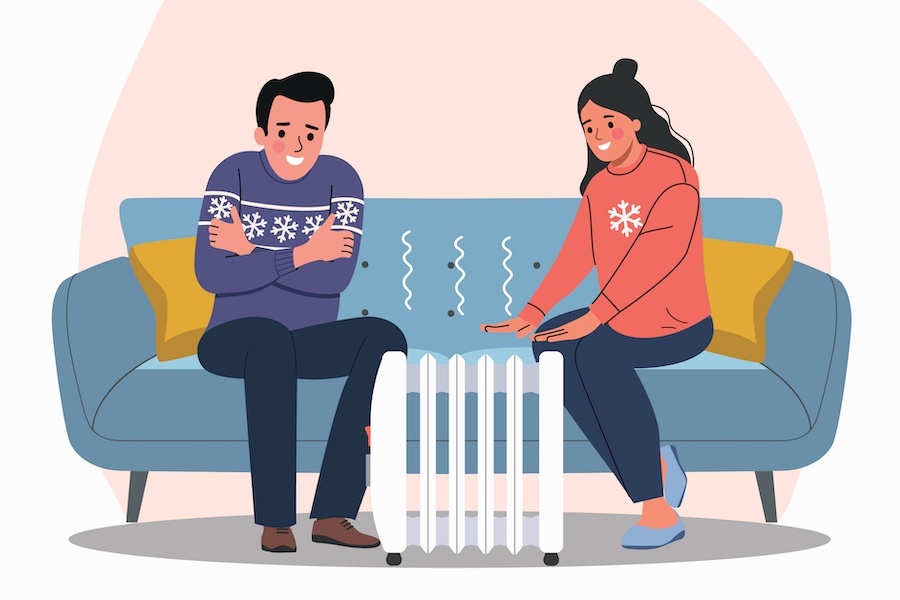
A single bitterly cold night is tough. But when ice-cold temperatures hang around for several days, the risks can stack up fast — especially if the power goes out, your home heating is disrupted, or you're improvising to stay warm. Here are the biggest dangers to keep on your radar, plus practical steps you can take to stay safe.

Carbon monoxide: the invisible, fast-moving danger

When heat or electricity is interrupted, people often turn to generators or alternative heat sources. The problem: Carbon monoxide (CO) is colorless and odorless, and it can build up quickly indoors.

High-risk scenarios include:

  • Running a generator in a garage, basement, shed, or near open windows/doors

  • Using charcoal grills, camp stoves, or other outdoor cooking devices indoors

  • Using fuel-burning heaters that aren’t properly vented

Safer habits that save lives:

  • Run generators outdoors only—more than 20 feet from the home, doors, and windows, and aim exhaust away from the house.

  • Install CO alarms (and check batteries). CO alarms are especially important if you use any fuel-burning equipment.

  • If anyone develops headache, dizziness, nausea, confusion, or unusual sleepiness, get to fresh air immediately and call for help—CO poisoning can mimic the flu, but it’s far more urgent.

Winter fire hazards: space heaters and “temporary fixes”

Cold spells also increase home fire risk because we’re using more heat sources—often in bedrooms, living rooms, and near fabrics.

Common winter fire causes:

  • Space heaters too close to curtains, bedding, furniture, or clutter

  • Overloaded outlets, power strips, or extension cords

  • Improper use of ovens or stovetops for heat

  • Fireplace/wood stove misuse or poor maintenance

Reduce fire risk with these basics:

Heating equipment—especially space heaters and heating stoves—accounts for a large share of home heating fire deaths and injuries.

Cold exposure: frostbite and hypothermia can happen faster than you think

When temperatures drop below 20°F, your body loses heat quickly — especially if you’re wet, in the wind, or outside for extended periods (shoveling, walking pets, waiting for a ride, clearing cars).

Frostbite timeline (the key factor is wind chill):

  • The National Weather Service wind chill guidance shows exposed skin can freeze in about 30 minutes under certain wind chill conditions (and faster in more extreme wind chills).

  • Example from NWS materials: 0°F with a 15 mph wind can create a wind chill of around -19°F, at which frostbite can occur in ~30 minutes.

Protect yourself and others:

  • Dress in layers; cover hands, ears, and face; wear wind-resistant outer layers.

  • Take frequent warm-up breaks when shoveling or working outside.

  • Check on neighbors, older adults, and anyone without reliable heat.

Home hazards during deep cold: ice, falls, and roof damage

Icy walkways and slips

Falls are one of the most common winter injuries — often right at home.

  • Clear and treat steps/sidewalks promptly with rock salt or a de-icer, and use sand or kitty litter for traction when needed.

  • Wear footwear with good traction; take short steps and use handrails.

Ice dams and water damage

After cycles of melting and refreezing, ice dams can form along roof edges. When that happens, water can back up under shingles and leak into attics and walls — leading to ceiling damage, insulation issues, and mold risk.

What helps:

  • Safely remove roof-edge snow from the ground using a roof rake (avoid climbing onto icy roofs).

  • Address root causes in the long term: attic insulation and ventilation, and keeping gutters clear.

Resources in CT if you don’t have safe heat or shelter

If you or someone you know is homeless, staying somewhere without working heat, or dealing with a loss of electricity/water, help is available:

If someone is in immediate danger from cold exposure, fire, or suspected carbon monoxide poisoning, call 911 right away.

Public Notice: Certificate of Need Application for Change of Governance of Outpatient Surgical Facility

This posting is made pursuant to Connecticut General Statutes § 19a-639a, regarding the Certificate of Need application process.

Public Notice

River Valley ASC, LLC, SCA-River Valley, LLC, and HHC Surgery Center Holdings, LLC are filing a Certificate of Need Application pursuant to Section 19a-638 of the Connecticut General Statutes for the change in governance of an outpatient surgical facility. HHC Surgery Center Holdings, LLC will request CON approval to assume an additional seat on the Board of Managers of SCA-River Valley, LLC, the majority owner of River Valley Ambulatory Surgical Center, LLC. River Valley Ambulatory Surgery Center, LLC owns and operates River Valley Ambulatory Surgery Center, a licensed outpatient surgical facility located at 45 Salem Turnpike in Norwich.  The proposal is part of a phased transaction and has no associated capital expenditure.


UPDATE: Governor Extends Cold Severe Cold Weather Protocol Through Feb. 5

Governor Ned Lamont has extended Connecticut’s Severe Cold Weather Protocol through Thursday, February 5, 2026, as forecasts indicate extremely cold temperatures will continue into early February.

This is expected to be an exceptionally frigid period, delivering some of the coldest temperatures the state has experienced so far this season, particularly overnight. Over the next week, temperatures are likely to range from a high of 28 degrees and a low of -2 degrees with wind chills reaching -19 degrees at times.

The purpose of the protocol is to ensure that the most vulnerable populations receive protection from severe cold, which can be life-threatening if exposed to the elements for extended periods. While enacted, a system is set up for state agencies and municipalities to coordinate with United Way 2-1-1 and Connecticut’s network of shelters to make sure that anyone in need can access shelter from the outdoors, including transportation to shelters.

Anyone in need of shelter or a warming center is urged to visit 211ct.org or call 2-1-1 to find available locations. Transportation can be provided if necessary.

“We’re about to experience some of the coldest weather Connecticut has had in quite a while, and it cannot be stressed enough that temperatures this low can be fatal if someone is outside for too long,” Governor Lamont said. “This protocol enables us to partner with municipalities and nonprofits to see that shelters and warming centers are available for anyone in need. I also urge everyone to bring their pets indoors during this period because these conditions can be extremely dangerous for them, as well.”

The following actions are implemented while the protocol is enacted:

  • The Connecticut Department of Emergency Services and Public Protection’s Division of Emergency Management and Homeland Security uses its WebEOC communications network, an internet-based system that enables local, regional, and state emergency management officials and first responders to share up-to-date information on a variety of situations and conditions. The system monitors capacity at shelters across the state, enabling 2-1-1 to act as a clearinghouse to help find shelter space for those who need it. Local officials, working through WebEOC, can alert 2-1-1 and the state when they open temporary shelters or warming centers.
  • The Connecticut Department of Social Services, Connecticut Department of Housing, and Connecticut Department of Mental Health and Addiction Services coordinate with 2-1-1 and the Connecticut Coalition to End Homelessness, along with community-based providers, to provide transportation for people seeking shelter.

For emergency management news and resources, visit the state’s CTPrepares website at ct.gov/ctprepares.

Recall Alert: FDA Investigating Salmonella Outbreak Linked to “Super Greens” Dietary Supplement

Cases have been reported across the U.S., including Connecticut

Federal health officials are investigating a multistate Salmonella Typhimurium outbreak linked to a popular greens powder sold online — and Connecticut is among the states reporting cases.

What Product is Involved?

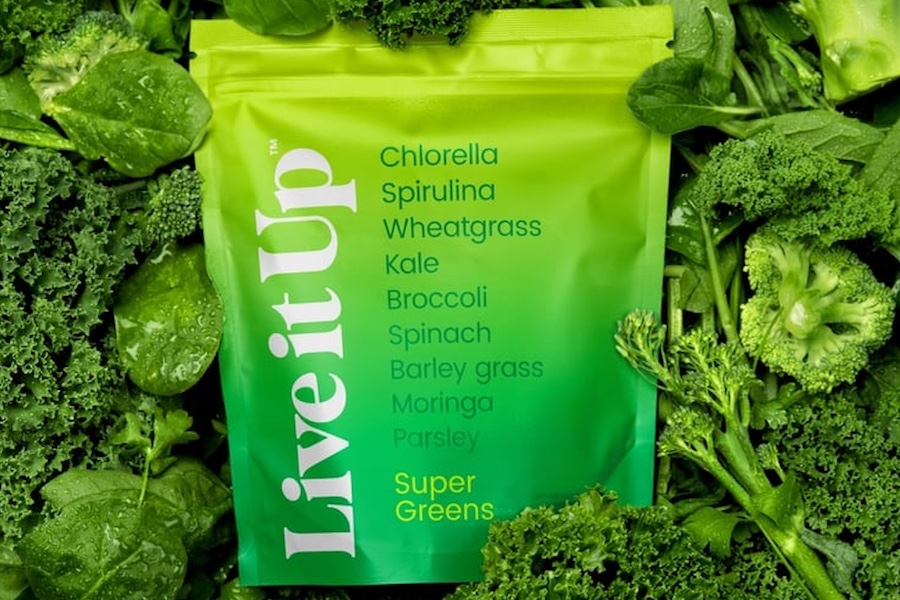
The FDA says the outbreak is linked to Live it Up-brand Super Greens dietary supplement powder (including Original and Wild Berry flavors). The company has issued a recall covering products (including stick packs) with expiration dates from 08/2026 to 01/2028, and the FDA notes the recalled items include lots beginning with the letter “A.”

These products were primarily sold online, including through the Live it Up website and major online marketplaces.

How Big is the Outbreak?

As of the FDA/CDC update on January 15, 2026, officials report 45 illnesses across 21 states, including 12 hospitalizations and no deaths. Connecticut is listed among the affected states.

Symptoms to Watch for

Salmonella infection often causes diarrhea, fever, and stomach/abdominal cramps. Symptoms typically begin within a few days after exposure and usually last about a week. Some people—especially children under 5, adults 65+, and people with weakened immune systems—are more likely to have severe illness.

CDC recommends contacting a healthcare provider right away if you have severe symptoms such as:

  • Diarrhea with a fever higher than 102°F

  • Diarrhea lasting more than 3 days or bloody diarrhea

  • Vomiting that prevents keeping liquids down

  • Signs of dehydration (low urination, dry mouth, dizziness)

What Consumers Should Do Now

If you have this product at home:

  1. Do not consume it. Throw it away or return it for a refund (per the company’s instructions).

  2. Clean and sanitize any containers, counters, scoops, or surfaces the powder may have touched.

  3. If you develop symptoms, contact your healthcare provider and let them know if you recently used the recalled greens powder.

Peak Flu Season Is Here — Why Vigilance Matters (Especially in 2026)

Every winter, influenza shows up in a familiar way: schools and workplaces see more absences, urgent care wait times climb, and many households cycle through coughs, fevers, and fatigue. That’s because flu season in the U.S. typically ramps up in fall and winter, with flu activity most often peaking between December and February — and historically, February is the most common peak month.

That timing matters. When we hit the “peak,” flu spreads more easily, more people are contagious at the same time, and the chance of bringing illness into your home, workplace, or social circle goes up. The good news: a few practical habits—done consistently—can make a real difference.

Flu Shots are Still Too Low, and Fewer Doses Have Been Given in Key Settings

As of early January 2026, CDC survey data show that 44.1% of adults have received a flu shot. That means more than half of adults are still unvaccinated during the heart of flu season.

At the same time, CDC’s weekly dashboard (based on claims data) indicates fewer flu vaccine doses have been administered to adults in retail pharmacies and physician medical offices compared with the same point last season. As of December 20, 2025, an estimated 33.2 million adult doses were given in pharmacies (about 1.8 million fewer than last season), and 18.3 million were given in medical offices (about 807,163 fewer). That’s roughly 2.6 million fewer doses in those two settings combined.

Bottom line: even with vaccination available in many convenient places, too many people remain unprotected—and that creates more opportunities for flu to spread and cause severe illness.

It’s Not Too Late to Get Vaccinated

CDC recommends annual flu vaccination for everyone ages 6 months and older who doesn’t have contraindications. And while the vaccine isn’t perfect, the CDC notes that even when circulating viruses differ from what’s expected, vaccination still helps protect against severe illness, hospitalization, and death.

If you’ve been meaning to get a flu shot, this is your nudge: it can still help—especially for older adults, young children, pregnant people, and anyone with chronic medical conditions.

Common-Sense Ways to Prevent Flu (and Other Winter Respiratory Illnesses)

Think of flu prevention like layers. No single step is flawless, but stacking a few habits dramatically improves your odds.

1) Stay Home When You’re Sick

One of the most powerful ways to stop the spread is also the simplest: don’t share your germs. CDC advises returning to normal activities only when, for at least 24 hours, both are true:

  • Your symptoms are improving overall, and

  • You’ve had no fever without using fever-reducing medication.

2) Cover Coughs and Sneezes — and Consider a Mask in Crowded Indoor Spaces

Flu spreads mainly through respiratory droplets when people cough, sneeze, or talk. Covering your mouth and nose helps, and if you’re sick (or caring for someone who is), a well-fitting mask adds an extra layer that can reduce the spread to others.

3) Wash Hands Often — and Avoid Touching Your Face

Handwashing (or using alcohol-based sanitizer when soap and water aren’t available) reduces the risk of transferring germs from surfaces to your eyes, nose, or mouth.

4) Improve Indoor Air When Possible

Fresh air and cleaner air matter more than many people realize. CDC includes taking steps to improve air quality—bringing in outdoor air, using filtration, or choosing outdoor gatherings when practical—as part of efforts to reduce respiratory virus spread.

5) Clean “High-Touch” Surfaces During Illness Waves

Doorknobs, light switches, phones, remote controls, and countertops are constantly handled—especially in shared spaces. Regular cleaning during a household illness can help reduce spread.

6) Keep Your Body Resilient

Good sleep, hydration, nutritious food, and stress management won’t “block” flu on their own—but they support your immune system and recovery if you do get sick.

Know the Symptoms — and Act Early if You’re High-Risk

Flu often comes on suddenly. Common symptoms include fever or chills, cough, sore throat, runny or stuffy nose, body aches, headache, and fatigue (sometimes vomiting/diarrhea, more often in children).

If you’re in a group at higher risk for complications (including young children, adults 65+, pregnant people, and those with certain medical conditions), CDC recommends contacting a healthcare provider early if symptoms start—because antiviral medications work best when started within about 2 days of symptom onset.

When to Seek Urgent or Emergency Care

Most people recover at home, but the flu can become serious. CDC lists emergency warning signs that should prompt immediate medical attention. A few key examples include:

In adults: difficulty breathing/shortness of breath, chest or abdominal pain/pressure, confusion or inability to arouse, seizures, not urinating, severe weakness, or symptoms that improve then worsen.

In children: fast or troubled breathing, bluish lips/face, ribs pulling in with breaths, chest pain, dehydration, seizures, high fever not controlled by medicine, or symptoms that improve then worsen.

If you’re unsure, call your healthcare provider for guidance.

A Community Reminder from the Uncas Health District

Flu season peak is exactly when small choices add up: getting vaccinated, staying home when sick, and protecting others in shared indoor spaces. Whether you’re looking out for a newborn in the family, an older neighbor, a coworker with a chronic condition, or your own household, these steps help reduce the spread of flu and similar respiratory illnesses.

Resolutions That Stick: A Realistic Approach to a Healthy New Year

Older man walking on a treadmill.

When the calendar flips, it’s tempting to aim for a total life overhaul. But from a public health perspective, the most powerful resolutions aren’t the most extreme—they’re the ones that reduce risk, build protective habits, and make it easier for you (and the people around you) to stay healthy all year long.

If you’re making New Year’s resolutions, consider selecting a few that improve long-term health outcomes and promote community well-being. Here are practical, high-impact ideas—plus tips to make them realistic and sustainable.

1) Make “Prevention” Your #1 Health Goal

Preventive care is one of the strongest predictors of better long-term health. A simple resolution: stay up to date on checkups, vaccines, and screenings.

Try this:

  • Schedule your annual physical (or wellness visit).

  • Ask what screenings you’re due for (blood pressure, cholesterol, diabetes, colon cancer, cervical cancer, breast cancer, etc.).

  • Review vaccines for your age and health status (including seasonal vaccines).

  • Keep a list of all medications and supplements you take, and bring it to every appointment.

2) Move More — Without the “All or Nothing” Trap

Physical activity supports heart health, mental well-being, sleep quality, balance, and overall health. The key is consistency, not perfection.

Try this:

  • Pick a minimum you can hit even on busy days (example: a 10-minute walk).

  • Attach movement to something you already do: after coffee, after dinner, or during one phone call each day.

  • Add strength-building twice a week (bodyweight exercises count).

3) Treat Your Sleep Like it’s a Health Appointment

Sleep affects mood, immunity, weight regulation, focus, and the risk of chronic diseases. A strong resolution: build a predictable sleep routine.

Try this:

  • Choose a consistent wake-up time.

  • Set a “screens down” reminder 30–60 minutes before bed.

  • Create a wind-down routine: dim the lights, stretch, read, take a shower, or listen to something calming.

  • If you snore loudly, stop breathing during sleep, or feel exhausted despite enough hours, talk to a healthcare provider.

4) Eat in a Way You Can Sustain (and Enjoy)

Public health nutrition isn’t about strict rules—it’s about patterns that support energy, stable blood sugar, heart health, and gut health over time.

Try this:

  • Add one “default” healthy breakfast or lunch you can repeat.

  • Aim to include a fruit or vegetable at most meals.

  • Keep convenient, nourishing options on hand (frozen vegetables, beans, canned fish, plain yogurt, nuts).

  • Hydrate intentionally—carry a water bottle and refill it.

5) Support Your Mental Health — Proactively

Mental health is health. Consider a resolution that strengthens coping skills before stress hits.

Try this:

  • Schedule one meaningful connection each week.

  • Build a “stress first aid kit”: music, movement, journaling, a breathing app, and a short outdoor break.

  • Consider therapy, support groups, or coaching if stress, anxiety, depression, or grief is weighing you down.

  • If alcohol or substances are your primary coping tool, make a plan to add healthier supports—and reach out for help if you need it.

If you or someone you know is in crisis in the U.S., you can call or text 988 for the Suicide & Crisis Lifeline.

6) Make Your Home a Safer Place

Many preventable injuries and exposures happen at home. A few small steps can reduce risk for everyone in your household.

Try this:

  • Test smoke and carbon monoxide detectors; replace batteries if needed.

  • Store medications, cannabis products, alcohol, and cleaning supplies locked and out of reach of children and pets.

  • Review medication expiration dates and dispose of any medications that are no longer needed safely.

  • If you have firearms, store them in a locked, unloaded, and separate location from ammunition.

7) Prevent Infections with Simple, Everyday Habits

Maintaining your own health helps protect those in your community who are more vulnerable, including babies, older adults, and individuals with compromised immune systems.

Try this:

  • Wash your hands regularly (especially before eating and after using the restroom).

  • Cover your coughs and sneezes; stay home when you’re sick if possible.

  • Improve indoor air quality by opening a window, using exhaust fans, or running an air purifier.

  • Keep up with recommended vaccines and boosters.

8) Choose a Safety Resolution that Protects Others

Some of the most life-saving resolutions don’t look like “wellness” goals at first glance.

Try one of these:

  • Buckle up every ride, every seat — make it non-negotiable.

  • Commit to no impaired driving (alcohol, cannabis, or other substances). Make a plan before you go out.

  • Learn CPR and keep your emergency contacts up to date.

  • Keep naloxone available if you or someone close to you may be at risk of opioid overdose.

9) Make One Community-Health Resolution

Health isn’t only individual — your environment, connections, and access to resources matter.

Try this:

  • Check in on a neighbor who lives alone during cold snaps or heat waves.

  • Volunteer locally once a month (food pantries, shelters, community cleanups).

  • Donate blood if you’re eligible.

  • Share verified health information—and pause before reposting rumors online.

10) Make Your Resolutions “SMART,” So They’re Achievable

Instead of: “I’ll get healthy.”
Try: “I’ll walk 10 minutes after dinner 4 days a week.”

Instead of: “I’ll sleep more.”
Try: “I’ll set a 10:30 p.m. bedtime alarm on weekdays.”

A good rule: Start so small you can’t fail, then build.

A Healthier Year Doesn’t Require Perfection

The best resolutions are those that lower risk, strengthen routines, and make your life safer and more resilient—both physically and mentally. Pick 2–3 priorities, write them down, and plan for the weeks when motivation dips (because it will).