
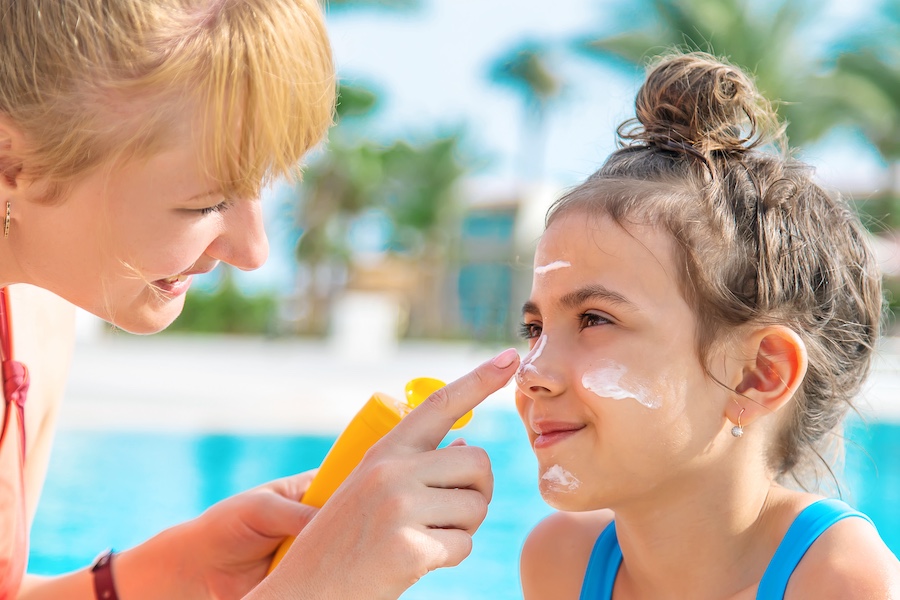
Warm, sunny days are a welcome part of summer in Connecticut, but too much sun and heat can quickly become dangerous. Whether you are spending time at the beach, working outdoors, attending a community event, or enjoying your own backyard, taking sun safety seriously can help prevent sunburn, heat-related illness, and long-term skin damage.
Ultraviolet, or UV, rays from the sun can damage skin cells, even on cloudy or cooler days. According to the Centers for Disease Control and Prevention, most skin cancers are caused by too much exposure to UV light, and skin cancer is the most common cancer in the United States. UV rays are typically strongest at midday, making sun protection especially important between late morning and mid-afternoon.
Sunscreen Is Important — But It Is Not the Only Step
Sunscreen is one of the most effective tools for reducing sun damage, but it works best when used correctly and combined with other protective steps. The American Cancer Society recommends choosing a broad-spectrum sunscreen with an SPF of 30 or higher to help protect against harmful UV rays.
Apply sunscreen generously to all exposed skin before going outside, including easy-to-miss areas such as the ears, neck, hairline, the tops of the feet, and the lips. Sunscreen should be reapplied at least every two hours, and more often after swimming, sweating, or toweling off. The American Academy of Dermatology also emphasizes that sunscreen must be applied correctly to provide effective protection.
Other smart sun-safety steps include:
- Seek shade, especially during late morning through mid-afternoon.
- Wear a wide-brimmed hat that shades the face, ears, and neck.
- Choose lightweight, tightly woven clothing or clothing labeled with UV protection.
- Wear sunglasses that block UVA and UVB rays.
- Check the UV Index before spending extended time outdoors.
The U.S. Environmental Protection Agency recommends sun protection when the UV Index is 3 or higher. At very high UV levels, extra protection is needed, especially during late morning through mid-afternoon.
Sunburns Are More Than Temporary Discomfort
A sunburn is a sign that the skin has been damaged by UV radiation. While redness, pain, peeling, and tenderness may fade after a few days, repeated sunburns can increase the risk of long-term skin damage and skin cancer.
Sunburn can also make it harder for the body to cool itself, which can contribute to dehydration and increase the risk of heat-related illness. If you do get sunburned, get out of the sun, drink water, cool the skin with a cool bath or damp cloth, and avoid further sun exposure while the skin heals.
Seek medical care if a sunburn causes severe blistering, fever, chills, dizziness, confusion, dehydration, or signs of infection.
Know the Warning Signs of Heat Exhaustion and Heat Stroke
Heat-related illness happens when the body cannot cool itself properly. During extreme heat or high humidity, sweating may not be enough to keep body temperature at a safe level. The Connecticut Department of Public Health notes that heat stress can range from mild conditions, such as heat rash or cramps, to more serious conditions, including heat exhaustion.
Warning signs of heat exhaustion may include:
- Heavy sweating
- Headache
- Dizziness or faintness
- Nausea or vomiting
- Weakness or fatigue
- Irritability
- Thirst
- Muscle cramps
- Decreased urination
If heat exhaustion is suspected, move the person to a cooler place, loosen clothing, apply cool cloths, and encourage small sips of water. Seek medical attention if symptoms worsen or do not improve.
Heat stroke is a medical emergency. According to the CDC, symptoms may include confusion, slurred speech, loss of consciousness, seizures, very high body temperature, and hot, dry skin or heavy sweating. Call 911 immediately if heat stroke is suspected. While waiting for emergency help, move the person to a cooler area and begin cooling them with cool cloths, cold water, or other available methods.
Some are at Higher Risk for Heat Stroke
Anyone can be affected by sun exposure and extreme heat, but some people are more vulnerable, including older adults, infants and young children, pregnant people, outdoor workers, athletes, people with chronic health conditions, and people taking certain medications.
During hot weather, check on family members, neighbors, and others who may need help staying cool. Never leave children, adults, or pets in a parked car, even for a short time.
Protect Your Skin
Sun safety is not just for beach days. UV exposure adds up over time, and protection is important any time you are outdoors. Building simple habits — applying sunscreen, wearing protective clothing, seeking shade, staying hydrated, and recognizing warning signs — can help prevent painful sunburns, reduce the risk of heat illness, and protect long-term skin health.
Before heading outside, take a few minutes to plan ahead. A hat, water bottle, sunscreen, sunglasses, and shaded breaks can make a meaningful difference in keeping you and your family safe all summer long.