Breast Cancer touches nearly every family in some way, which makes Breast Cancer Awareness Month a good moment for our community to check in on their own health and look out for the people around them.
The message of the month is hopeful. Screening catches cancer earlier, treatment keeps getting better, and every conversation you start can nudge someone toward a lifesaving appointment.
Why Screening Is Your Best Protection
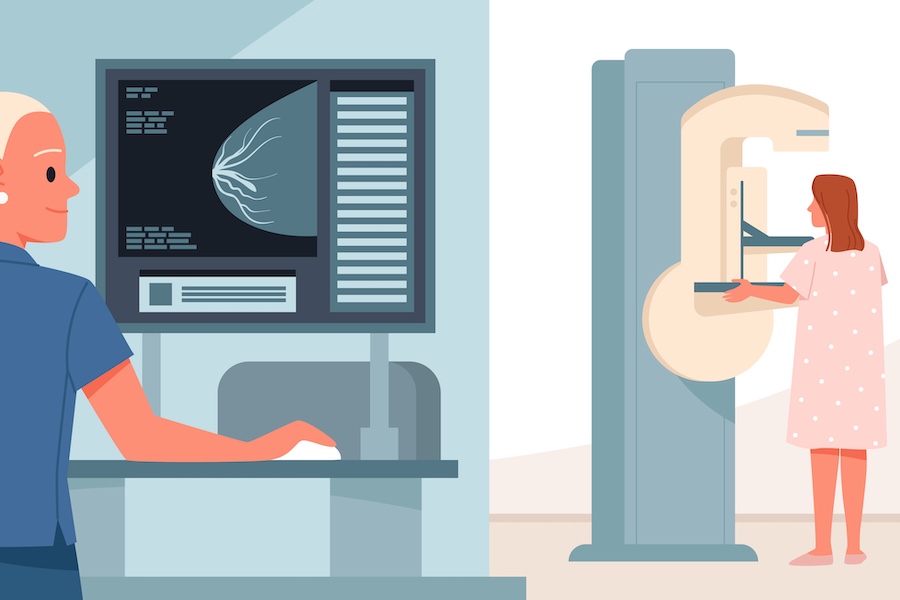
Finding breast cancer early gives people the most options and the best chance of a full recovery. A mammogram can detect changes in the breast years before a lump can be felt, and cancers caught at an early stage often need less aggressive treatment.
The guidance on when to start has shifted in recent years. The U.S. Preventive Services Task Force now recommends mammograms every other year for women ages 40 to 74. The American Cancer Society says women ages 40 to 44 have the option to begin yearly screening, women ages 45 to 54 should screen every year, and women ages 55 and older can switch to every other year or continue annually as long as they are in good health.
Some people need to start sooner. Those with a strong family history, a known BRCA gene mutation, or a history of chest radiation at a young age should talk with their provider about adding an MRI and beginning around age 30. Women with dense breast tissue should also ask whether additional imaging makes sense for them, since dense tissue can make mammograms harder to read.
Screening works best alongside everyday awareness. Get to know how your breasts normally look and feel, and report any change to a health care provider right away, such as a new lump, skin dimpling, nipple changes, or unexplained swelling or pain. Don't wait for your next scheduled mammogram.
Men can develop breast cancer too, though it is far less common. Anyone who notices a lump or other change should be seen.
Treatment Is Getting Better and More Gentle
Breast cancer death rates have fallen steadily since 1989, an overall decline of 44% through 2023, according to the American Cancer Society. Earlier detection and better treatment share the credit.
Treatment is also becoming more personal. Doctors now match therapy to the specific features of each tumor, which means many patients receive more effective care with fewer side effects. Several advances highlighted at this year's American Society of Clinical Oncology meeting, reported by OncoDaily, show where things are heading:
- Targeted drugs that deliver chemotherapy directly to cancer cells. Known as antibody-drug conjugates, they have shown strong results in both triple-negative and HER2-positive metastatic breast cancer. In one study of HER2-positive disease, patients on trastuzumab deruxtecan went a median of 40.7 months without their cancer progressing, compared with 26.9 months on standard chemotherapy.
- Immunotherapy for specific subtypes. Pembrolizumab combined with chemotherapy continued to show lasting benefit in early-stage triple-negative breast cancer.
- Doing less when less is enough. In the OPTIMA trial, genomic testing allowed 68% of patients with early hormone-receptor-positive disease to safely skip chemotherapy, with a five-year invasive-cancer-free rate of 90.4%.
These results come from clinical research and apply to particular types and stages of breast cancer. Anyone facing a diagnosis should talk with their care team about which options fit their situation.
Spreading Breast Cancer Awareness
You don't need a big platform to make a difference. Small, personal actions often work best because people listen to those they trust.
- Start the conversation. Remind a mother, sister, friend, or coworker to schedule her mammogram. Offer to go along or to drive.
- Make your own appointment. If you're due, book it this week and tell someone you did.
- Share reliable information. Pass along this post and screening guidance from your health care provider or the American Cancer Society, and check a source before you share anything else.
- Know your family history. Ask relatives about cancer in your family and share what you learn with your doctor.
- Support local efforts. Take part in a community walk, fundraiser, or awareness event, or wear pink at work or school this month to start a conversation.
- Reach people who are often missed. Help neighbors who may face cost, language, transportation, or scheduling barriers find a screening option close to home.
- Check in on those in treatment. A meal, a ride, or a kind message means a great deal to someone going through it.
Take the Next Step
If you are 40 or older, or have risk factors that put you in a higher-risk group, call your primary care provider this week to ask whether it's time for a mammogram. If you don't have a provider or are concerned about cost, contact the Uncas Health District to be connected with screening programs and low-cost options in your area.
Breast cancer is serious, but fewer people are dying from it than ever, and much of that progress began with someone choosing to get checked. This October, be that person for yourself or someone you love.