
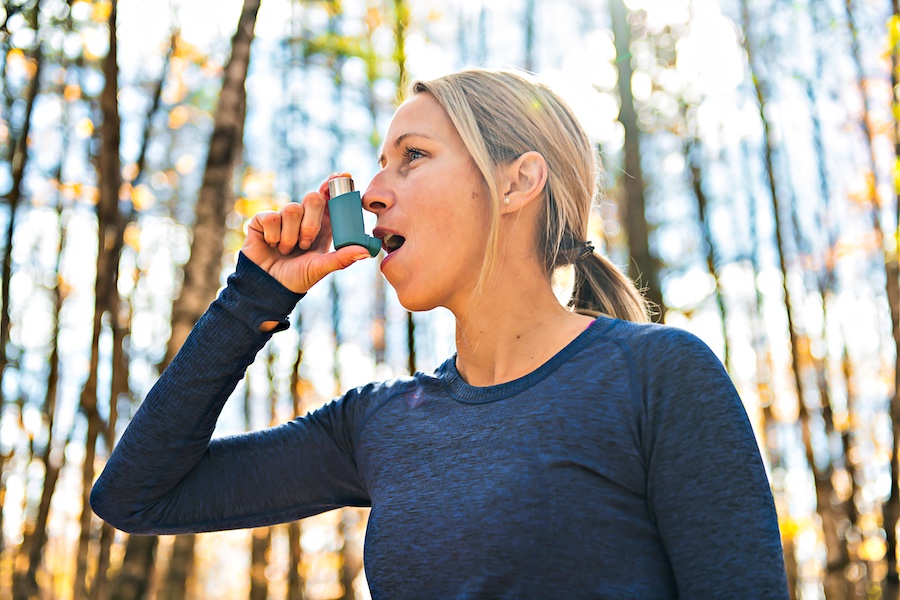
Fall has arrived in southeastern Connecticut, bringing cooler mornings, changing leaves, and, for many people, a return of allergy symptoms. Ragweed pollen and mold can make this a difficult season for people with allergies or asthma. Cooler air and respiratory illnesses may add to the challenge.
A few practical steps can help you recognize your triggers and keep symptoms under control.
Know What May Be Causing Your Symptoms
Ragweed is a common fall allergy trigger. Its pollen can cause sneezing, a runny or stuffy nose, and itchy eyes. Mold can also be a concern, especially around damp leaves outdoors or moisture inside the home.
For people with asthma, these triggers may bring on coughing, wheezing, chest tightness, or shortness of breath. Asthma symptoms can also worsen when the air turns cold or when someone develops a respiratory infection. If you are unsure what is causing recurring symptoms, talk with a healthcare provider.
Reduce Your Exposure
You do not have to stay inside all season, but small changes can help:
- Pay attention to pollen and air quality reports. If pollen triggers your symptoms, consider moving yardwork or other outdoor activities to a better day.
- Keep pollen out of your living space. Close windows when pollen levels are high, and change clothes and shower after spending time outdoors.
- Use care with fallen leaves. Damp leaf piles can contain mold. If raking or yard cleanup worsens your symptoms, ask someone else to handle it when possible.
- Address indoor moisture. Fix leaks, dry wet areas promptly, and use ventilation or a dehumidifier where needed. The EPA explains how mold can affect allergies and asthma.
Check Your Asthma Plan Before Symptoms Show
If you have asthma, make sure you know how to follow your asthma action plan, have access to your prescribed medication, and understand when to seek help. Take medication as directed, even when you feel well. If you are coughing at night, limiting activities because of breathing symptoms, or needing your reliever medication more often, contact your healthcare provider to review your treatment plan.
Fall is also a good time to think about respiratory illness prevention. Flu, COVID-19, and RSV can trigger asthma attacks. Ask your healthcare provider which vaccinations are recommended for you, and take everyday steps to avoid getting sick.
Get urgent medical help if breathing becomes difficult or your prescribed quick-relief treatment is not helping. Call 911 for severe trouble breathing or difficulty speaking because of shortness of breath.
Fall allergies and asthma are manageable, but persistent symptoms deserve attention. Knowing your triggers, limiting exposure, and having a plan in place can help you enjoy the season more comfortably.