
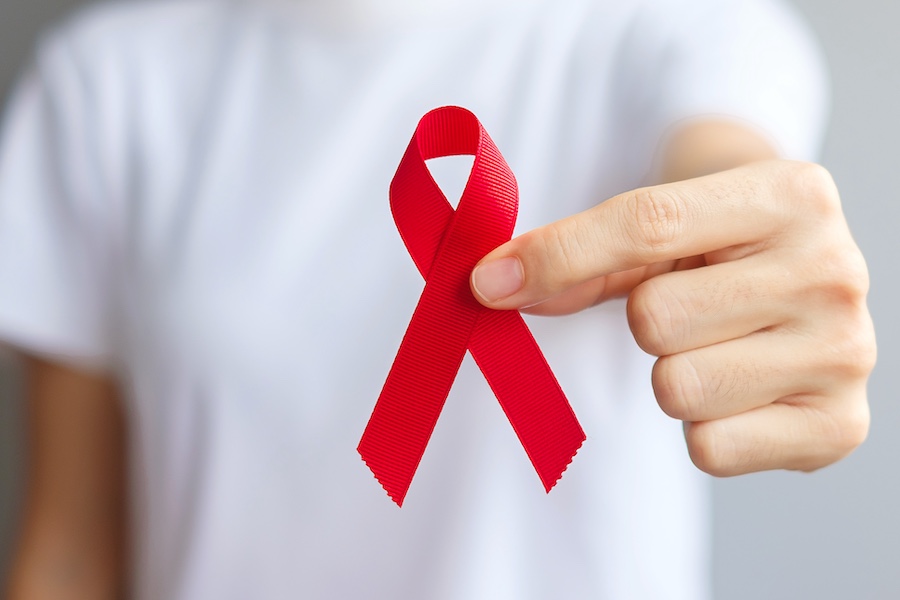
National HIV Testing Day, observed annually on June 27, highlights the importance of HIV testing as a routine part of preventive health care. Early detection is critical because it connects individuals to timely treatment, improves long-term health outcomes, and helps reduce the spread of HIV within the community. Advances in HIV treatment have made it possible for people living with HIV to lead long, healthy lives while also lowering the risk of transmission when the virus is effectively managed.
HIV can affect anyone, regardless of age, gender, background, or relationship status. Because HIV may not cause noticeable symptoms for years, testing is the only way to know your status. For many people, getting tested brings peace of mind. For those who test positive, early detection opens the door to effective treatment, long-term health, and measures to prevent transmission to others.
Early Detection Makes a Difference
When HIV is diagnosed early, people can begin medical care sooner. Today’s HIV treatments are highly effective at controlling the virus, protecting the immune system, and helping people live long, healthy lives. Early treatment can also reduce the amount of virus in the body, known as viral load.
This matters because the lower a person’s viral load, the lower the chance of passing HIV to someone else. When a person living with HIV takes medication as prescribed and maintains an undetectable viral load, they cannot transmit HIV through sex. This powerful advancement is often called “Undetectable = Untransmittable,” or U=U.
Early detection also gives people the information they need to make informed choices. A negative test result can be an opportunity to talk with a health care provider about prevention tools such as condoms, PrEP, or other steps that may reduce risk. A positive test result can connect someone to treatment, support services, and ongoing care.
HIV Treatment Has Come a Long Way
HIV is no longer the diagnosis it once was. While there is still no cure, modern antiretroviral therapy can control HIV very effectively. Many people living with HIV take medication daily or receive treatment through other approved options recommended by their health care provider.
With consistent treatment, HIV can become a manageable chronic condition. People who begin and remain in care can maintain their health, protect their partners, and continue living full, active lives. These medical advances are one of the greatest public health successes of recent decades, but they only work when people know their status and can access care.
HIV Testing Is Also a Public Safety Tool
HIV testing is not only about personal health. It is also about community health.
When people know their status, they can take steps to protect themselves and others. Early diagnosis helps prevent new infections by connecting people to treatment sooner. It also reduces the stigma and uncertainty that can keep people from seeking care. The more routine HIV testing becomes, the easier it is for people to talk openly, get support, and make informed decisions.
Public health depends on prevention, education, and access. HIV testing supports all three. It helps identify infections earlier, connects people to care, and gives communities the information needed to reduce transmission.
Who Should Get Tested?
The Centers for Disease Control and Prevention recommends that everyone ages 13 to 64 get tested for HIV at least once as part of routine health care. Some people may benefit from testing more often, including those who have had more than one sexual partner, have a partner whose HIV status is unknown, have been diagnosed with another sexually transmitted infection, or share injection equipment.
Testing can be done through a health care provider, community clinic, local health department, or at-home testing option. Many testing services are free or low-cost, and results may be available quickly depending on the type of test used.
Take the Step: Know Your Status
National HIV Testing Day is a good reminder that testing is a normal and responsible part of taking care of your health. Whether your result is negative or positive, knowing your status gives you options, resources, and control.
Consider making HIV testing part of your routine wellness plan. Encourage loved ones to do the same. A simple test can lead to earlier care, better outcomes, and a healthier community for everyone.