
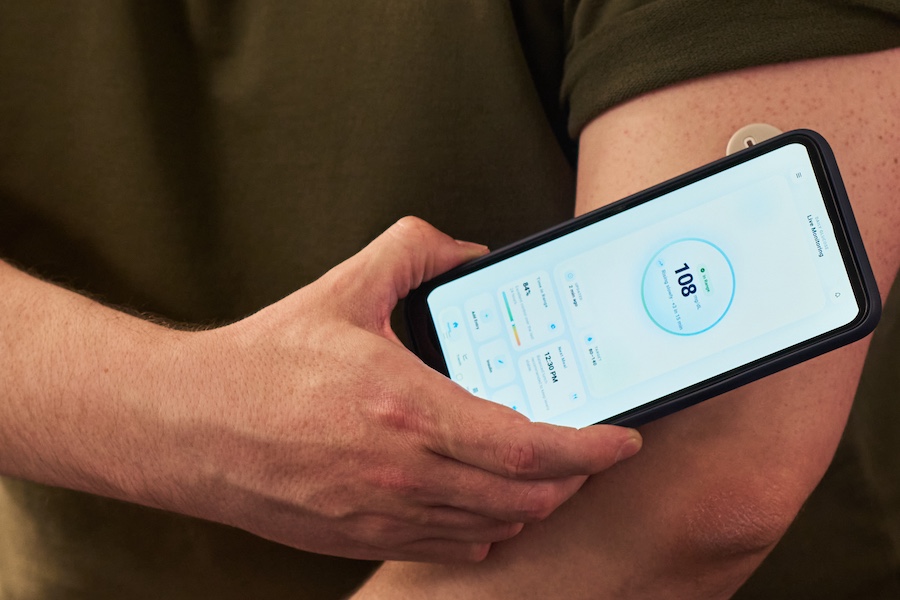
November is National Diabetes Month, led each year by the National Institute of Diabetes and Digestive and Kidney Diseases (NIDDK), and it's a good time to ask a simple question: do you know your blood sugar numbers? Many people don't, and that matters. Diabetes often develops quietly for years before it causes symptoms, and by the time it's found, damage to the heart, kidneys, eyes, and nerves may already be underway.
The encouraging part is that type 2 diabetes, the most common form, can often be prevented or delayed. Small, steady changes to how we eat, move, and get checked can make a real difference, and help is available close to home.
Diabetes by the Numbers
According to the Centers for Disease Control and Prevention's latest National Diabetes Statistics Report, an estimated 40.1 million people in the United States had diabetes in 2023, about 12% of the population. More than one in four adults with diabetes, roughly 11 million people, don't know they have it.
An even larger group is at risk. About 115 million U.S. adults have prediabetes, more than 2 in 5, and about 8 in 10 of them don't know it. Among adults 65 and older, more than half have prediabetes.
The stakes are high. The CDC reports that diabetes is the seventh leading cause of death in the U.S. and the leading cause of kidney failure, lower-limb amputations, and adult blindness. It is also the nation's most costly health condition, at $640 billion in 2021.
Connecticut is not immune. The state Department of Public Health estimated that 10.7% of Connecticut adults, about 309,000 people, had diagnosed diabetes in 2022, up from 8.3% in 2013. That figure likely undercounts the true number, since many cases go undiagnosed. DPH data also show higher rates among older adults, Black and Hispanic residents, and households earning under $25,000 a year.
Understanding the Types of Diabetes
When we eat, the body turns most food into sugar (glucose), and the hormone insulin helps move that sugar into our cells for energy. With diabetes, the body either doesn't make enough insulin or can't use it well, so sugar builds up in the blood. Over time, that can lead to heart disease, vision loss, and kidney disease.
- Type 1 diabetes is believed to be an autoimmune reaction that stops the body from making insulin. It is usually diagnosed in children and young adults, and people with type 1 need insulin every day. There is currently no known way to prevent it.
- Type 2 diabetes accounts for about 90% to 95% of diagnosed cases. The body doesn't use insulin well, and the condition develops over many years, often without noticeable symptoms.
- Prediabetes means blood sugar is higher than normal but not yet high enough for a type 2 diagnosis. It raises the risk of type 2 diabetes, heart disease, and stroke, and it can be reversed.
- Gestational diabetes develops during pregnancy in people who have never had diabetes. It usually goes away after the baby is born but raises the risk of type 2 diabetes later in life for both parent and child.
Who's at Risk, and What to Watch For
Some risk factors can't be changed, like age and family history. Others can. According to the CDC, you may be at higher risk for prediabetes and type 2 diabetes if you:
- Are 45 or older
- Are overweight or obese
- Have a parent, brother, or sister with type 2 diabetes
- Are physically active fewer than three times a week
- Have high blood pressure or non-alcoholic fatty liver disease
- Have had gestational diabetes, or given birth to a baby who weighed more than 9 pounds
- Are African American, Hispanic or Latino, American Indian, or Alaska Native (some Pacific Islander and Asian American people are also at higher risk)
Smoking matters too. People who smoke have a 30% to 40% higher risk of developing type 2 diabetes than people who don't.
Type 2 diabetes symptoms can take years to appear, and some people never notice any. When they do show up, common signs include frequent urination, increased thirst and hunger, unexplained weight loss, fatigue, blurry vision, numbness or tingling in the hands or feet, and cuts or sores that are slow to heal. Because symptoms are easy to miss, knowing your risk is often the best early warning.
Small Changes, Big Results
There is no known way to prevent type 1 diabetes, but type 2 is a different story. Prediabetes can be reversed, and the steps that help are practical ones.
- Lose a modest amount of weight. Guidelines summarized in American Family Physician recommend losing 5% to 7% of body weight for most people with prediabetes. For someone who weighs 200 pounds, that's about 10-14 pounds.
- Move more. Aim for 150 minutes of moderate activity a week, such as brisk walking. That works out to about 30 minutes, five days a week, and shorter bouts count too.
- Eat well. Focus on vegetables, fruits, whole grains, and lean proteins, and cut back on sugary drinks and heavily processed foods.
- Don't smoke. Quitting lowers diabetes risk along with many other health risks.
The evidence behind these steps is strong. In the landmark Diabetes Prevention Program study, people with prediabetes who joined a structured lifestyle change program cut their risk of developing type 2 diabetes by 58%, and by 71% for those over 60. That research is now the foundation of the CDC's National Diabetes Prevention Program, a year-long program led by trained lifestyle coaches who help participants build lasting habits around food, activity, stress, and motivation. Programs are offered in person and online, and you can find one near you.
Take the First Step
The single most useful thing you can do this November is find out where you stand.
- Take the CDC's 1-minute prediabetes risk test. It asks a few simple questions about age, family history, activity, and weight.
- Talk with your health care provider. If your score shows high risk, or you have any of the risk factors above, ask about a simple blood sugar test at your next visit.
- Pick one change and start small. A daily walk, a swap from soda to water, or an extra serving of vegetables is a real beginning.
- Ask about a lifestyle change program. If you're diagnosed with prediabetes, a CDC-recognized program can give you structure and support.
Diabetes is common, but it doesn't have to be inevitable. Knowing your risk today can protect your health for years to come.
November is National Diabetes Month, led each year by the National Institute of Diabetes and Digestive and Kidney Diseases (NIDDK), and it's a good time to ask a simple question: do you know your blood sugar numbers? Many people don't, and that matters. Diabetes often develops quietly for years before it causes symptoms, and by the time it's found, damage to the heart, kidneys, eyes, and nerves may already be underway.
The encouraging part is that type 2 diabetes, the most common form, can often be prevented or delayed. Small, steady changes to how we eat, move, and get checked can make a real difference, and help is available close to home.