
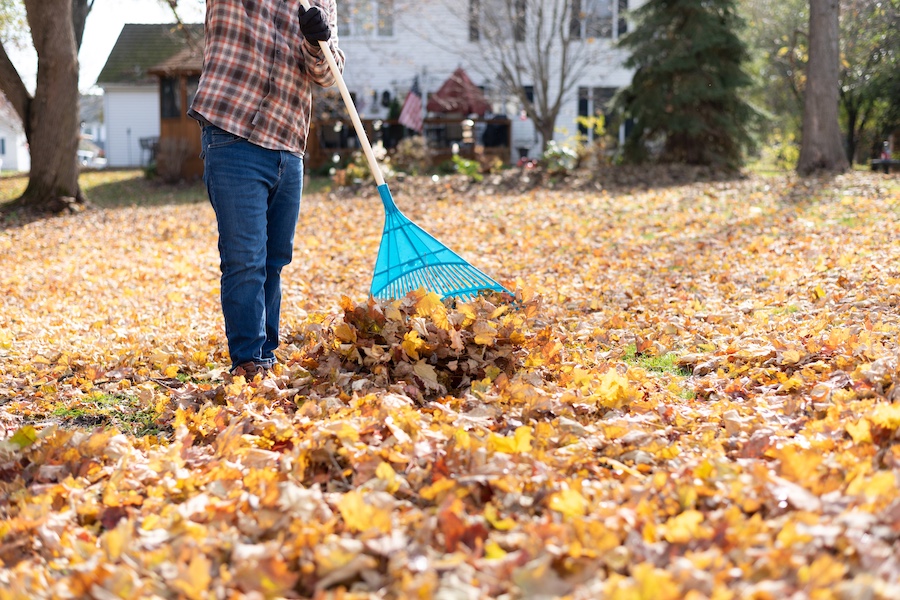
The weeks before the first hard frost are the best time to get your home, your health, and your household safety equipment ready for winter. Across the Uncas Health District, the cold months bring a predictable set of risks: heating-related fires, carbon monoxide poisoning, power outages that send families to generators, and respiratory illnesses that spread faster when we spend more time indoors.
Most of these risks are preventable with a few hours of work and a few quick appointments. This guide walks through four areas to tackle now, while the weather is still mild: preparing your home, getting vaccinated, testing your safety devices and generator, and having your heating system checked.
Winterize Your Home: Clean, Seal, and Keep the Air Moving
A tighter, warmer home is also a home where moisture, dust, and indoor pollutants build up. A little cleaning now keeps the air healthier all winter.
- Replace furnace and HVAC filters. A clogged filter makes your system work harder and circulates more dust, pet dander, and allergens. Check the filter monthly during heating season and replace it at least every three months, or sooner if you have pets or allergies.
- Clean vents, registers, and returns. Vacuum dust from supply and return grilles, and make sure furniture, rugs, and curtains are not blocking airflow.
- Clear the dryer vent. Lint buildup is a leading cause of dryer fires, and a blocked vent can also push exhaust back into the home. Clean the lint trap after every load and clear the duct and outside vent opening at least once a year.
- Seal drafts, but don't seal the house shut. Weatherstripping around doors and caulk around windows save energy. Just leave intentional vents, such as those for your furnace, water heater, and clothes dryer, unblocked.
- Use exhaust fans. Run the bathroom fan during and after showers and the kitchen range hood when cooking, especially on a gas stove. Both move moisture and combustion byproducts outdoors.
- Watch for moisture. Condensation on windows, musty smells, or visible mold are signs of too much humidity. Indoor humidity generally feels best and stays healthiest between 30 and 50 percent. A basic hygrometer costs a few dollars. Fix leaks promptly, and clean small patches of mold with soap and water.
- Open windows briefly on mild days. Even ten minutes of fresh air on a milder afternoon helps clear stale air without a big heating penalty.
Finish the outdoor work too: clean the gutters, disconnect and drain garden hoses, shut off outdoor water lines if your plumbing allows, and keep snow shovels, ice melt, and a flashlight within easy reach before the first storm.
Get Vaccinated Before Respiratory Virus Season Peaks
October is the right month to get your flu shot. The Connecticut Department of Public Health (DPH) notes that vaccination in October gives your body about two weeks to build protection before flu activity typically climbs, which in Connecticut has been around December. DPH recommends an annual flu vaccine for everyone 6 months and older. If you haven't gotten yours yet, now is the time. If you miss October, a later shot still helps, because flu season can run into spring.
Here is where DPH stands on the other major respiratory vaccines this season, according to its October 13, 2026 announcement:
- Flu: Everyone 6 months and older, every year. Some children getting a flu vaccine for the first time need two doses about a month apart, so ask your pediatrician. Adults 65 and older can ask about higher-dose or enhanced flu vaccines, but should not delay vaccination to wait for a particular product.
- COVID-19: DPH recommends vaccination for children under two and for people in high-risk groups. Everyone else is encouraged to talk with their health care provider about what is right for them. Several medical organizations, including the American Academy of Family Physicians, recommend an updated COVID-19 vaccine for all adults.
- RSV: Adults 75 and older who have not yet received the vaccine, and high-risk adults ages 60 to 74. For infants, protection comes either from RSV vaccination during pregnancy or from an antibody shot given to babies entering RSV season or born during it.
The federal government has not yet issued updated COVID-19 or RSV recommendations for this season, leaving some families unsure where to turn. DPH has endorsed the 2026-27 recommendations from the American Academy of Pediatrics, the American Academy of Family Physicians, and the American College of Obstetricians and Gynecologists. Your doctor, pediatrician, or pharmacist can help you sort out which shots make sense for you and your household. Questions are welcome. As DPH Commissioner Dr. Manisha Juthani puts it, people should feel empowered to ask their doctor any question about vaccines.
Where to get vaccinated. Many people can get a flu shot at their doctor's office or a local pharmacy. You can search for nearby locations at vaccinefinder.org. DPH also maintains a statewide list of flu clinics developed with local health departments, community health centers, and the CT Immunization Coalition, including options for homebound residents. Uninsured and underinsured adults may be able to get a flu vaccine at no cost through the Connecticut Vaccines for Adults program. Contact the participating site for eligibility and appointments.
A few habits help round out your protection: wash your hands often, stay home when you are sick, cover coughs and sneezes, and consider a well-fitting mask in crowded indoor spaces if you or someone at home is at higher risk.
Test Alarms and Generators Before You Need Them
Smoke alarms and carbon monoxide (CO) alarms only protect you if they work. The weekend the clocks change, Sunday, November 1, this year, is a good reminder to check everyone in your home.
Smoke alarms
- Test each alarm monthly by pressing the test button.
- Install alarms on every level of the home, including the basement, and in both indoor and outdoor sleeping areas.
- Replace batteries when the clocks change if your alarms use replaceable batteries.
- Replace the entire alarm after ten years. The manufacture date is printed on the back.
Carbon monoxide alarms
CO is an invisible, odorless gas produced by anything that burns fuel. Alarms are the only reliable way to detect it. The Connecticut DPH recommends placing CO alarms near all sleeping areas and on each floor, and replacing them about every five years because the sensors wear out. Check the label on yours, since replacement dates vary by manufacturer.
Symptoms of CO poisoning include headache, fatigue, dizziness, confusion, and nausea, and they are easy to mistake for the flu. If several people in the household feel sick and then feel better when they leave the house, suspect CO. If an alarm sounds or you suspect poisoning, get everyone outside right away, then call 911 from outside. The Connecticut Poison Control Center is available at 1-800-222-1222.
Test your generator now, not during the storm
Power outages are when CO poisonings from generators most often occur, and the cause is almost always running the generator too close to or inside the home. Take an hour on a dry day to:
- Run the generator outdoors for several minutes at a light load to make sure it starts and runs smoothly.
- Check the oil, and replace fuel that has been sitting for months. Old gasoline can gum up the engine.
- Inspect extension cords for cuts and frays. Use heavy-duty, outdoor-rated cords rated higher than the total load you plan to connect.
- Confirm you have working CO alarms with fresh batteries on every floor.
Using a generator safely
- Always operate it outdoors, never in a garage, basement, shed, carport, or crawlspace, even with doors and windows open. Fans and open windows do not prevent CO from building up.
- Keep it at least 20 feet from the house, and point the exhaust away from doors, windows, and vents.
- Never plug a generator into a wall outlet to power your house wiring. This is called backfeeding. It can send electricity back onto the power lines and seriously injure utility workers. If you want to power household circuits, have a licensed electrician install a transfer switch.
- Let it cool before refueling, and turn it off first. Gasoline spilled on hot parts can ignite.
- Store fuel outdoors, in approved, labeled containers, away from living areas and fuel-burning appliances.
- Keep it dry. If it rains or snows, shelter the generator under an open canopy-style cover on dry ground, never in an enclosed space.
- Clear snow from around the generator exhaust, dryer vents, and car tailpipes during and after storms.
More guidance is available from the U.S. Consumer Product Safety Commission.
Have Your Heating System Checked
Heating equipment is a leading source of both winter house fires and CO exposure, and the most common problems, such as blocked flues, cracked heat exchangers, and creosote buildup, are invisible to the untrained eye. The Connecticut DPH recommends having heating systems, chimney flues, gas appliances, wood stoves, and generators inspected every year and cleaned or serviced as needed by a qualified contractor. Book early, because technicians fill up quickly once the first cold snap arrives.
Furnaces and boilers
- Schedule an annual tune-up with a licensed technician. Ask them to check the burner, heat exchanger, venting, and safety controls.
- Look for warning signs: a yellow or flickering burner flame instead of a steady blue one, soot or rust around the unit, water pooling beneath the unit, or unusual smells or noises.
- Check that the flue pipe and the outdoor intake and exhaust vents are intact and clear. After a snowfall, dig out outdoor vents so exhaust can escape.
- If you heat with oil, make sure the tank is full enough for the cold months and that the lines and fittings show no leaks.
Chimneys, fireplaces, and wood stoves
- Have the chimney inspected and cleaned each year. Creosote, a tar-like residue from burning wood, builds up inside the flue and can ignite. Birds' nests and debris can also block the flue, forcing smoke and CO into the house.
- Use a sturdy screen in front of the fireplace, and burn only seasoned, dry hardwood. Never burn trash, treated lumber, or accelerants.
- Place the ashes in a covered metal container and keep it outside, away from the house, garage, and anything that burns. Ashes can hold hot embers for days.
Space heaters and other supplemental heat
- Choose a heater with an automatic shutoff that shuts off safely when tipped over, and look for a recognized safety certification such as UL.
- Keep it at least three feet from furniture, bedding, curtains, and anything else that can burn.
- Plug it directly into a wall outlet, not an extension cord or power strip. Turn it off when you leave the room or go to sleep.
- Never use a gas oven, stovetop, or charcoal or propane grill to heat your home. These produce deadly levels of CO and should never be used indoors.
- Kerosene and other fuel-burning heaters should only be used if they are made for indoor use, and with plenty of ventilation and a working CO alarm nearby.
If you rent, contact your landlord about heating inspections, working alarms, and any problems you notice. Connecticut residents who are struggling with heating costs may also be able to get help through local community action agencies or by calling 2-1-1.
Your Quick Fall Checklist
None of these steps takes long, and together they cut your household's risk of fire, CO poisoning, and serious respiratory illness this winter.
- Get your flu shot, and talk with your provider about COVID-19 and RSV vaccines
- Replace furnace filters and clean vents, registers, and the dryer vent
- Test every smoke and CO alarm, and note any that are more than 10 years (smoke) or about 5 years (CO) old
- Book your furnace, boiler, and chimney inspections
- Test-run your generator outdoors, and stock safe fuel storage and heavy-duty cords
- Check space heaters, cords, and clearances
- Stock an emergency kit with flashlights, batteries, medications, water, and nonperishable food
If you have questions about staying healthy this winter, your local health department and your health care provider are good places to start.